

Who Is a Good Candidate for a Dental Bridge?
Missing teeth can affect more than just your appearance. They can impact your ability to chew, speak clearly, and maintain proper oral health. If you are exploring tooth replacement options, you may be wondering: who is a good candidate for a dental bridge?
A dental bridge is a reliable and time-tested solution for replacing one or more missing teeth. However, not everyone is automatically eligible for this restorative dental procedure. In this comprehensive guide, we’ll explain who qualifies for a dental bridge, the requirements for treatment, and when alternative options may be better suited for your needs.
What Is a Dental Bridge?
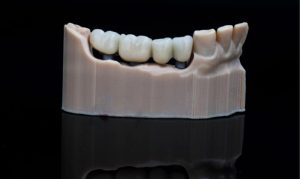
A dental bridge is a fixed dental restoration used to fill the gap created by one or more missing teeth. It consists of one or more artificial teeth (pontics) anchored by crowns placed on adjacent natural teeth or supported by dental implants.
Dental bridges help:
Restore chewing and speaking ability
Maintain facial shape
Prevent neighboring teeth from shifting
Improve smile aesthetics
Distribute bite forces evenly
Because a dental bridge relies on surrounding teeth or implants for support, certain oral health conditions must be met to qualify.
General Requirements for a Dental Bridge
Not everyone with a missing tooth is automatically a candidate. A dentist will evaluate several factors before recommending this treatment.
1. You Have One or More Missing Teeth
The most obvious requirement is having at least one missing tooth. Dental bridges are commonly used when:
A single tooth is missing
Multiple teeth in a row are missing
There is a noticeable gap affecting appearance or function
If you have several missing teeth in different areas of your mouth, your dentist may recommend multiple bridges or an alternative solution.
2. You Have Healthy Adjacent Teeth
Traditional dental bridges rely on the teeth next to the gap (abutment teeth) for support. These teeth must be:
Structurally strong
Free from severe decay
Stable without advanced gum disease
If the surrounding teeth are weak or heavily restored, they may not provide sufficient support for a bridge.
3. You Have Good Overall Oral Health
Good candidates for a dental bridge should have healthy gums and adequate bone support. Untreated gum disease or significant bone loss can compromise the stability of the bridge.
Before placing a bridge, your dentist may treat:
Cavities
Infections
Root canal issues
Addressing these problems first improves long-term success.
Ideal Candidates for a Dental Bridge
While eligibility depends on individual evaluation, certain patients are typically strong candidates.
Adults with Fully Developed Jawbones
Dental bridges are generally recommended for adults whose jawbones have fully developed. Younger patients may need to wait until their oral structures mature.
Patients Seeking a Fixed (Non-Removable) Option
If you prefer a permanent, non-removable tooth replacement, a dental bridge may be ideal. Unlike dentures, bridges stay fixed in place and function like natural teeth.
People Who Want Faster Results Than Implants
Dental implants require surgical placement and healing time, which can take several months. A traditional dental bridge can often be completed within a few weeks, making it a faster option for many patients.
Patients with Budget Considerations
While still an investment, dental bridges typically have a lower upfront cost compared to dental implants. For patients seeking a cost-effective solution for missing teeth, bridges are often appealing.
When a Dental Bridge May Not Be Recommended
Not everyone is an ideal candidate for a dental bridge. In some situations, alternative treatments may be more appropriate.
Severe Gum Disease
Advanced periodontal disease weakens the supporting structures of teeth. Since bridges rely on adjacent teeth for support, untreated gum disease can cause bridge failure.
Significant Bone Loss
Bone loss in the jaw may affect stability. In such cases, dental implants with bone grafting might be recommended instead.
Weak or Damaged Adjacent Teeth
If the teeth next to the gap are cracked, loose, or severely decayed, they may not be strong enough to support a bridge.
Poor Oral Hygiene Habits
Dental bridges require consistent oral hygiene. Patients who struggle with regular brushing, flossing, and dental visits may experience complications such as decay under the crowns or gum inflammation.
Types of Dental Bridges and Candidacy
Your suitability may also depend on the type of dental bridge being considered.
Traditional Dental Bridge
This is the most common option and requires healthy teeth on both sides of the gap. It is ideal for patients with strong adjacent teeth.
Cantilever Bridge
Used when only one adjacent tooth is available for support. It is typically recommended for areas of the mouth that experience less biting pressure.
Maryland Bonded Bridge
This option uses a metal or porcelain framework bonded to the back of neighboring teeth. It is less invasive and often used for front teeth.
Implant-Supported Bridge
Instead of relying on natural teeth, this bridge is supported by dental implants. It is often recommended for patients missing multiple teeth or those without strong adjacent teeth.
Benefits of Being a Good Candidate for a Dental Bridge
If you qualify for a dental bridge, you can expect several benefits.
Restored Chewing and Speaking
Missing teeth can make it difficult to chew certain foods and pronounce words clearly. A bridge restores function and comfort.
Improved Appearance
Dental bridges are custom-made to match your natural teeth in shape, size, and color, helping restore your smile.
Prevention of Teeth Shifting
When a tooth is missing, neighboring teeth can gradually move into the empty space. This can lead to bite misalignment and jaw discomfort. A bridge prevents this movement.
Long-Lasting Results
With proper care, dental bridges can last between 5 and 15 years or longer.
How to Know If You’re a Candidate for a Dental Bridge
The only way to determine if you are a good candidate for a dental bridge is through a professional dental evaluation. During your consultation, your dentist will:
Examine your teeth and gums
Take X-rays
Assess bone support
Review your medical history
Discuss your goals and budget
Based on these findings, your dentist will recommend the most suitable tooth replacement option.
Preparing for a Dental Bridge
If you are considered a good candidate, preparation may include:
Treating cavities or gum disease
Reshaping adjacent teeth for crowns
Taking dental impressions
Placing temporary restorations
Once your custom bridge is ready, it will be securely placed and adjusted for comfort and bite alignment.
Maintaining Your Dental Bridge
Being a good candidate doesn’t end after placement. Long-term success depends on proper maintenance.
To care for your dental bridge:
Brush twice daily with fluoride toothpaste
Floss daily using floss threaders or interdental brushes
Avoid excessively hard or sticky foods
Visit your dentist regularly for checkups and cleanings
Good oral hygiene ensures the supporting teeth remain healthy and stable.
Final Thoughts: Is a Dental Bridge Right for You?
So, who is a good candidate for a dental bridge? Generally, patients with one or more missing teeth, healthy adjacent teeth, good gum health, and strong oral hygiene habits are ideal candidates.
A dental bridge offers a fixed, natural-looking solution that restores both function and aesthetics. However, every patient’s dental needs are unique. Consulting with a qualified dentist is the best way to determine whether a dental bridge is the right option for you.
If you are ready to restore your smile and improve your oral health, schedule a dental evaluation to explore whether a dental bridge is the right solution for your needs.