


Cost of Dental Bridges: What Factors Affect the Price?
Dental bridges are one of the most common and reliable solutions for replacing missing teeth. If you are considering this treatment, one of the first questions you may ask is: how much does a dental bridge cost? The answer depends on several factors, including the type of bridge, materials used, location, and your specific dental needs.
In this comprehensive guide, we’ll break down the cost of dental bridges, what influences the price, and how you can plan financially for your treatment.
What Is a Dental Bridge?
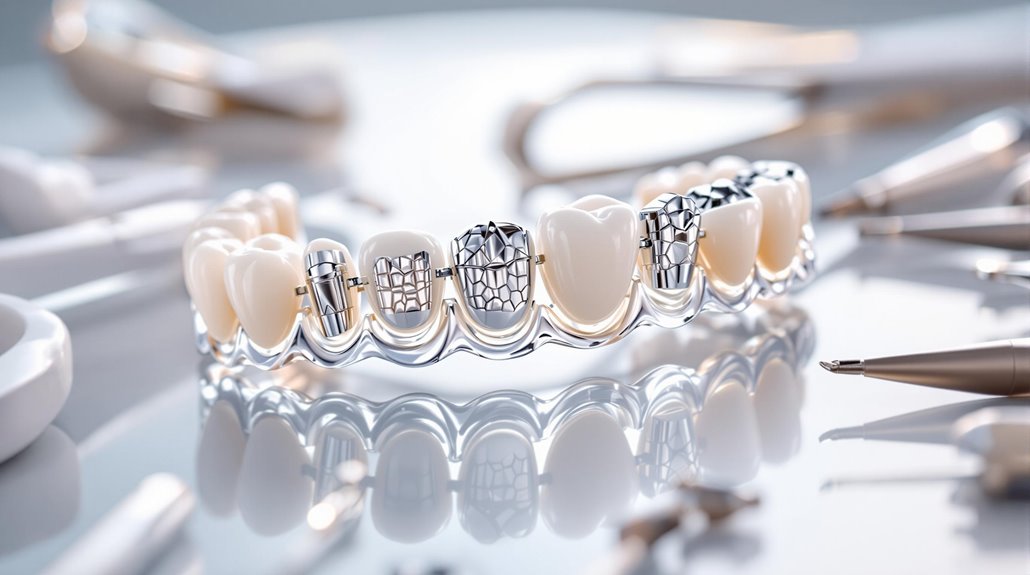
A dental bridge is a fixed dental restoration used to replace one or more missing teeth. It “bridges” the gap left behind by anchoring an artificial tooth (pontic) to adjacent natural teeth or dental implants.
Dental bridges help:
Improve chewing and speaking
Maintain facial structure
Prevent surrounding teeth from shifting
Because they are custom-made and permanently fixed in place, the cost can vary significantly depending on your unique situation.
Average Cost of Dental Bridges
The cost of a dental bridge typically ranges between $1,500 and $5,000 per unit in the United States. However, the total price depends on:
The number of teeth being replaced
The type of bridge selected
Materials used
Geographic location
Dentist’s experience
Some high-end or implant-supported bridges can cost even more, especially if additional procedures are required.
Main Factors That Affect the Cost of Dental Bridges
Let’s explore the key elements that determine how much you’ll pay.
1. Type of Dental Bridge
There are several types of dental bridges, and each comes with different pricing.
Traditional Dental Bridge
This is the most common type. It uses dental crowns placed on the teeth adjacent to the gap. It is generally more affordable than implant-supported bridges.
Cantilever Bridge
Used when there is only one supporting tooth next to the missing tooth. This option may cost slightly less but is not suitable for all areas of the mouth.
Maryland Bonded Bridge
This type uses a metal or porcelain framework bonded to the back of adjacent teeth. It is often less invasive and sometimes more affordable.
Implant-Supported Bridge
Instead of using natural teeth for support, this bridge is secured with dental implants. While highly durable and stable, it is the most expensive option due to the cost of implants and surgery.
2. Number of Missing Teeth
The more teeth that need replacement, the higher the cost. A bridge replacing one tooth will be less expensive than one replacing three or four teeth. Each additional pontic and crown increases laboratory and material expenses.
3. Materials Used
Dental bridges can be made from different materials, which significantly affect the overall cost.
Porcelain-Fused-to-Metal (PFM)
A common and cost-effective option. It offers durability and decent aesthetics.
All-Porcelain or Ceramic
These provide the most natural appearance and are often preferred for front teeth. They typically cost more due to their aesthetic quality.
Zirconia
Known for strength and longevity, zirconia bridges are durable and often more expensive than traditional materials.
Gold Alloys
While less common for visible teeth, gold bridges are extremely durable and can vary in price depending on current gold market rates.
4. Geographic Location
Dental bridge costs vary by region. Major metropolitan areas often have higher treatment costs compared to rural areas due to higher operational expenses.
For example, treatment in cities like New York or Los Angeles may cost significantly more than in smaller towns.
5. Dentist’s Experience and Expertise
A highly experienced cosmetic or restorative dentist may charge more for their services. While this may increase upfront costs, it can also ensure better long-term results and durability.
Choosing a qualified dental professional can reduce the risk of complications or future replacement costs.
6. Additional Procedures Required
In some cases, additional dental work may be necessary before placing a bridge. These procedures can increase the total treatment cost.
Common additional treatments include:
Tooth extraction
Root canal therapy
Gum disease treatment
Dental implants (for implant-supported bridges)
Bone grafting
Each added procedure contributes to the final bill.
Does Dental Insurance Cover Dental Bridges?
Many dental insurance plans partially cover dental bridges because they are considered a restorative procedure rather than cosmetic.
Most insurance providers cover 40% to 80% of the cost after deductibles. However, coverage depends on:
Your specific plan
Waiting periods
Annual maximum benefits
Pre-existing condition clauses
It is important to check with your insurance provider before beginning treatment.
How Long Do Dental Bridges Last?
The lifespan of a dental bridge directly impacts its overall value. On average, dental bridges last between 5 and 15 years. With proper oral hygiene and regular dental visits, they can last even longer.
To extend the lifespan of your bridge:
Brush twice daily
Floss under the bridge using special floss threaders
Avoid hard or sticky foods
Attend regular dental checkups
Investing in quality materials and proper maintenance can reduce the need for early replacement.
Dental Bridge vs. Dental Implant: Cost Comparison
Many patients compare dental bridges with dental implants when evaluating cost.
Dental bridges usually have a lower upfront cost. However, dental implants often last longer and do not rely on adjacent teeth for support.
While implants may cost more initially, they may provide better long-term value depending on your oral health goals.
Are There Financing Options Available?
If the cost of a dental bridge feels overwhelming, many dental offices offer flexible payment plans and financing options.
Common payment solutions include:
Monthly installment plans
Third-party healthcare financing
Credit card payments
Health Savings Accounts (HSA)
Flexible Spending Accounts (FSA)
Discuss payment options with your dental provider to make treatment more affordable.
Is a Dental Bridge Worth the Cost?
Although the cost of a dental bridge may seem high, leaving missing teeth untreated can lead to more serious dental problems, including:
Shifting teeth
Bite misalignment
Jaw pain
Increased risk of gum disease
Bone loss
Addressing tooth loss early can prevent more expensive treatments in the future.
Dental bridges not only restore function but also improve self-confidence and overall oral health.
Final Thoughts on the Cost of Dental Bridges
The cost of dental bridges varies based on several important factors, including the type of bridge, materials used, number of missing teeth, geographic location, and additional procedures required.
While prices typically range from $1,500 to $5,000 or more, dental insurance and financing options can significantly reduce out-of-pocket expenses.
If you are considering a dental bridge, schedule a consultation with your dentist to receive a personalized treatment plan and cost estimate. Investing in your oral health today can protect your smile for years to come.
By understanding what affects dental bridge pricing, you can make an informed decision that fits both your dental needs and your budget.