


How Long Does a Root Canal Take? Timeline Explained
If you’ve been told you need a root canal, one of the most common questions is: “How long will it take?” Understanding the timeline of a root canal procedure can help ease anxiety, plan your schedule, and set realistic expectations for recovery.
Root canal therapy is a highly effective dental procedure designed to remove infection from inside a tooth, relieve pain, and save your natural tooth. The procedure’s duration depends on several factors, including the tooth’s complexity, the extent of infection, and whether multiple visits are required. This guide will explain step-by-step how long a root canal takes and what you can expect before, during, and after treatment.
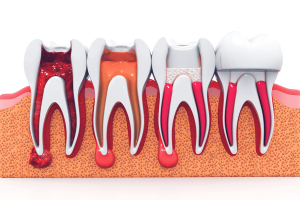
What Is a Root Canal?
A root canal, also called endodontic therapy, treats teeth with infected or inflamed pulp. The pulp is the soft tissue inside the tooth containing nerves, blood vessels, and connective tissue. Infection can occur due to:
Deep cavities
Cracks or chips in the tooth
Trauma or injury
Repeated dental procedures
If untreated, the infection can cause severe pain, abscess formation, and even tooth loss. Root canal therapy removes the infected pulp, cleans the canals, and seals the tooth to prevent future infection.
Factors Affecting the Duration of a Root Canal
The length of a root canal procedure is not the same for every patient. Several factors influence how long it will take:
1. Tooth Type
Front teeth (incisors and canines): Usually have one root canal and are easier to access, making the procedure faster.
Premolars: May have one or two canals, requiring slightly more time.
Molars: Often have three or more canals and complex root anatomy, making the procedure longer and sometimes requiring multiple visits.
2. Extent of Infection
A severely infected tooth may require extra cleaning, shaping, and medication inside the canals. The more extensive the infection, the longer the procedure.
3. Tooth Structure and Anatomy
Teeth with curved, narrow, or blocked canals take longer to treat. Endodontists often need additional time to navigate these canals safely and effectively.
4. Experience of the Dentist or Endodontist
Specialists trained in endodontics may complete the procedure faster while ensuring high precision. General dentists may take longer, especially for complex teeth.
5. Use of Advanced Technology
Digital X-rays, microscopes, and rotary instruments can speed up the procedure while improving accuracy.
Step-by-Step Root Canal Timeline
While every case is unique, most root canal procedures follow a similar step-by-step process:
Step 1: Consultation and Diagnosis (10–20 Minutes)
Your dentist will examine your tooth, review your symptoms, and take X-rays to assess the extent of infection. They may also perform sensitivity tests to determine the pulp’s condition.
Step 2: Numbing the Tooth (5–10 Minutes)
Local anesthesia is applied to numb the tooth and surrounding gums. Most patients report feeling no pain during the procedure.
Step 3: Accessing the Pulp Chamber (10–15 Minutes)
The dentist creates a small opening in the crown of the tooth to access the pulp chamber and root canals.
Step 4: Removing Infected Pulp (15–30 Minutes)
Special instruments remove the inflamed or infected pulp. The dentist ensures all canals are cleared of infection to prevent reinfection.
Step 5: Cleaning and Shaping the Canals (20–40 Minutes)
The canals are disinfected and shaped to prepare them for filling. This step is crucial to ensure complete sealing and long-term success.
Step 6: Filling and Sealing (10–20 Minutes)
Canals are filled with a biocompatible material called gutta-percha. The tooth is sealed to prevent bacteria from re-entering.
Step 7: Placing a Temporary or Permanent Restoration (15–30 Minutes)
If the tooth requires further restoration, such as a crown, a temporary filling may be placed. A permanent crown is typically scheduled later to restore full function.
Single Visit vs. Multiple Visits
Single-Visit Root Canal
Some teeth, particularly front teeth with one canal, can be treated in a single appointment. Single-visit procedures typically last 60–90 minutes and allow you to leave the office with the infection treated.
Multiple-Visit Root Canal
Complex teeth, especially molars, may require two or more visits. In these cases:
The first visit removes pulp and cleans canals.
Medicated fillings may be placed to reduce infection.
The second visit completes filling and sealing.
Multiple visits allow careful treatment of infected canals, ensuring long-term success.
After the Procedure: Recovery Timeline
Even though the root canal eliminates infection, some post-procedure discomfort is normal.
First 24–48 Hours
Mild soreness or sensitivity may occur
Over-the-counter pain relievers typically manage discomfort
First Week
Tooth may feel slightly tender when biting
Swelling should subside
Follow any post-op instructions carefully
After Permanent Restoration
Once a crown or permanent filling is placed, your tooth should return to full function. Proper oral hygiene and regular check-ups ensure long-term success.
Tips for a Smooth Root Canal Procedure
Eat a light meal before your appointment
Take prescribed medications if advised
Follow post-procedure instructions carefully
Attend follow-up appointments to monitor healing
Avoid chewing hard foods on the treated tooth until fully restored
Common Misconceptions About Duration
“Root Canals Are Extremely Long”
Most single-visit root canals last about 60–90 minutes. Multiple visits are only needed for complex teeth.
“The Tooth Will Hurt During the Procedure”
Modern anesthesia makes the procedure virtually pain-free. Most patients experience relief rather than pain.
“Recovery Takes Weeks”
Most discomfort resolves within a few days, especially with proper aftercare.
Final Thoughts: Planning Your Root Canal Timeline
The length of a root canal depends on tooth type, infection severity, and complexity of root canals. Front teeth may take under an hour, while molars may require multiple visits totaling 90–120 minutes or more.
Understanding the step-by-step process—from consultation and anesthesia to pulp removal, cleaning, filling, and crown placement—can help you feel prepared and confident. By following post-procedure care instructions, you can ensure a smooth recovery and long-lasting results.
Root canal therapy is an effective solution that saves your natural tooth, relieves pain, and preserves oral health—without the long recovery and complications of extraction.