


When Should Your Child First Visit the Dentist? A Parent’s Guide to Children’s Dental Care
As a parent, you want to give your child the best possible start in life, and looking after their oral health is an important part of that journey. One common question many parents ask is: when should your child first visit the dentist?
Establishing good dental habits from an early age can help prevent tooth decay, protect developing teeth and encourage a positive attitude towards dental visits. However, many parents are unsure when to schedule their child’s first appointment or what to expect during the visit.
In this guide, we’ll explain when your child should first visit the dentist, why early dental check-ups are important and how you can prepare your little one for a positive dental experience.
When Should Your Child First Visit the Dentist?
According to widely recognised dental health recommendations, children should visit a dentist when their first tooth appears or by their first birthday, whichever comes first.
Although baby teeth eventually fall out, they play an important role in your child’s development. They help children chew food, develop speech and maintain the space needed for their permanent adult teeth.
Scheduling an early dental appointment allows your dentist to check that your child’s teeth and gums are developing properly.
Why Is the First Birthday an Important Milestone?
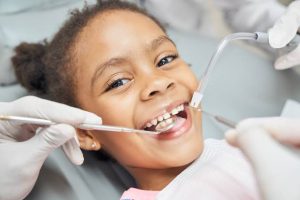
A baby’s first birthday is a helpful reminder to arrange their first dental check-up. By this stage, many children will have several baby teeth, making it an ideal time to assess their oral health.
During this appointment, your dentist can identify potential concerns, provide advice on cleaning your baby’s teeth and explain how to prevent early childhood tooth decay.
Starting dental visits early also helps children become familiar with the dental environment before they develop any dental problems.
Why Are Early Dental Visits Important?
Many parents assume that dental appointments are only necessary once children have developed a full set of teeth. However, early dental visits are essential for preventing oral health problems.
Baby teeth are susceptible to tooth decay, and untreated cavities can cause discomfort, infection and difficulties with eating.
Prevent Tooth Decay and Cavities
Tooth decay can develop as soon as the first baby tooth appears. Frequent exposure to sugary foods and drinks, poor brushing habits and inadequate oral care can increase the risk of cavities.
A dentist can assess your child’s teeth and provide practical advice on preventing tooth decay through proper brushing, fluoride use and healthy eating habits.
Monitor Tooth and Jaw Development
Your child’s first dental appointment provides an opportunity to monitor the development of their teeth, gums and jaw.
Your dentist can check whether baby teeth are emerging as expected and identify any potential concerns that may require further attention.
Establish Positive Dental Habits
Introducing children to dental appointments early helps normalise visiting the dentist.
When dental check-ups become a regular part of their routine, children are more likely to feel comfortable and confident during future visits.
What Happens During Your Child’s First Dental Visit?
Your child’s first dental appointment is generally simple, gentle and focused on prevention and education.
The dentist will usually take time to make your child comfortable before examining their mouth.
Checking Your Child’s Teeth and Gums
Your dentist will examine your child’s teeth, gums and mouth to check for signs of tooth decay, gum irritation or other oral health concerns.
They may also assess how the teeth are developing and whether everything appears to be progressing normally.
Discussing Dental Hygiene With Parents
An important part of the first dental appointment is educating parents about caring for their child’s teeth.
Your dentist may discuss:
- How to brush baby teeth correctly.
- Which toothbrush is suitable for your child’s age.
- How much fluoride toothpaste to use.
- How often your child’s teeth should be brushed.
- Foods and drinks that may increase the risk of tooth decay.
- When to schedule future dental check-ups.
This guidance helps parents establish a suitable dental hygiene routine at home.
Providing Preventive Dental Advice
Depending on your child’s age and individual needs, your dentist may discuss fluoride protection and other preventive dental treatments.
The goal is to identify potential risks early and help protect your child’s developing teeth.
How to Prepare Your Child for Their First Dental Appointment
A child’s first dental visit can feel unfamiliar, particularly if they have never experienced a dental examination before.
Fortunately, there are several ways parents can make the experience more comfortable and enjoyable.
Talk Positively About Visiting the Dentist
Explain to your child that the dentist helps keep their teeth clean, healthy and strong.
Avoid using frightening words or discussing dental procedures in a negative way. Keeping the conversation positive can help reduce anxiety.
Read Books or Play Dentist at Home
Reading children’s books about visiting the dentist or playing pretend dentist can help familiarise your child with what happens during an appointment.
You could take turns examining a favourite teddy bear’s teeth using a toy toothbrush.
These simple activities can make the experience feel less intimidating.
Schedule an Appointment at a Suitable Time
Try to arrange your child’s dental appointment when they are generally happy, rested and comfortable.
Avoid scheduling appointments during usual nap times or when your child is likely to be hungry or tired.
A relaxed child is often more comfortable during their first dental examination.
How Often Should Children Visit the Dentist?
After their first appointment, children should continue attending regular dental check-ups.
The recommended frequency depends on their individual oral health needs and risk of developing dental problems.
Routine Dental Check-Ups
Many children benefit from dental check-ups every six months. However, some children may need more frequent appointments depending on their dental health and the advice of their dentist.
Regular visits allow dental professionals to monitor changes, identify potential issues and provide ongoing preventive care.
Why Should You Avoid Waiting Until Your Child Has Toothache?
Waiting until your child experiences toothache before booking a dental appointment can mean that tooth decay or another dental problem has already progressed.
Regular check-ups help identify concerns before they become more serious.
Children may also find it harder to communicate dental discomfort, making preventive appointments particularly important.
How to Look After Your Child’s Teeth Between Dental Visits
Visiting the dentist is only one part of maintaining your child’s oral health. Establishing good dental hygiene habits at home is equally important.
Brush Twice a Day With Fluoride Toothpaste
Brush your child’s teeth twice daily, once in the morning and again before bedtime.
Use a soft-bristled toothbrush designed for their age and an age-appropriate amount of fluoride toothpaste.
For children under 18 months, use water only unless a dental professional recommends otherwise. From 18 months to six years, use a pea-sized amount of low-fluoride children’s toothpaste, generally 500–550 ppm fluoride, under adult supervision. Follow your dentist’s advice for the appropriate toothpaste as your child grows.
Limit Sugary Foods and Drinks
Frequent consumption of sugary snacks and drinks increases the risk of tooth decay.
Encourage healthier choices such as fresh fruit, vegetables, cheese and plain yoghurt. Water is the best drink between meals.
Avoid putting your baby to bed with a bottle containing milk, formula or sugary drinks, as prolonged exposure can contribute to tooth decay.
Supervise Your Child’s Brushing
Young children often lack the coordination needed to clean their teeth effectively.
Parents should supervise and assist with brushing until children develop the skills to brush properly, generally around seven to eight years old.
Conclusion: Give Your Child a Healthy Start With Early Dental Care
So, when should your child first visit the dentist? Ideally, their first dental appointment should take place when their first tooth appears or by their first birthday.
Early dental visits are an important step towards protecting baby teeth, preventing tooth decay and establishing positive oral health habits that can last a lifetime.
By combining regular dental check-ups with proper brushing, healthy eating and positive encouragement, parents can help their children develop healthy smiles as they grow.
If your child hasn’t had their first dental appointment yet, now is a great time to arrange a visit with your local dentist and give their smile the care it deserves.