

How to Teach Children Good Dental Hygiene Habits: A Parent’s Guide
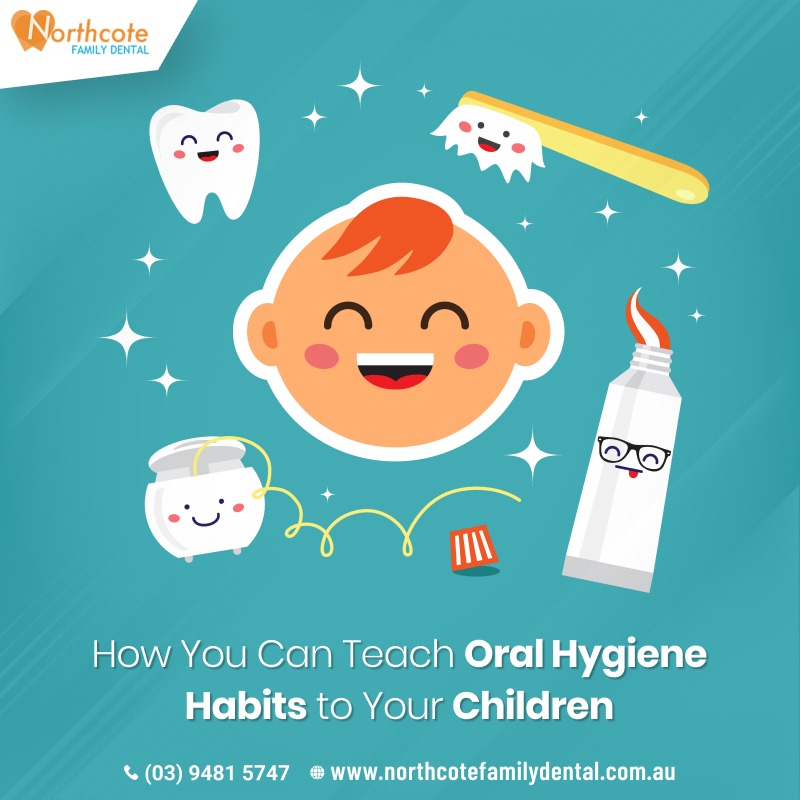
Teaching children good dental hygiene habits from an early age is one of the best ways to protect their oral health and encourage a lifetime of healthy smiles. Establishing a consistent dental care routine helps prevent tooth decay, cavities and gum problems while teaching children the importance of looking after their teeth.
For many parents, getting children excited about brushing and flossing can be challenging. However, with the right approach, dental hygiene can become a fun and enjoyable part of their daily routine.
In this guide, we’ll explore how to teach children good dental hygiene habits, when to start brushing their teeth, and practical ways to make oral care easier for the whole family.
1. Start Teaching Good Dental Hygiene Habits Early
One of the most important steps in children’s dental care is starting early. Good oral hygiene should begin before your child’s first tooth appears.
Clean Your Baby’s Gums Before Teeth Appear
Even before baby teeth emerge, bacteria can accumulate in your baby’s mouth. Gently wipe their gums with a clean, damp, soft cloth after feeding to help keep their mouth clean.
Introduce Toothbrushing When the First Tooth Appears
Once your baby’s first tooth emerges, usually around six months of age, begin brushing twice daily using a small, soft-bristled toothbrush and an age-appropriate amount of fluoride toothpaste.
Starting early helps children become familiar with brushing and makes dental care a normal part of everyday life.
2. Make Brushing Teeth a Fun Daily Activity
Children are more likely to develop positive dental hygiene habits when brushing feels enjoyable rather than like a chore.
Instead of constantly reminding your child to brush, try introducing activities that make the experience entertaining.
Use a Fun Toothbrush
Allow your child to choose their own toothbrush featuring their favourite colours, characters or designs. An electric children’s toothbrush can also make brushing more exciting.
Make sure the toothbrush has soft bristles and is appropriate for your child’s age.
Play a Two-Minute Brushing Song
Children should brush their teeth for approximately two minutes, twice a day. Playing a favourite song or using a brushing timer can help them understand how long they need to brush.
You can also create a small reward chart to encourage consistency and celebrate their efforts.
3. Teach Children the Correct Way to Brush Their Teeth
Simply brushing regularly is not enough. Children also need to learn how to brush their teeth properly to remove plaque and protect their gums.
Demonstrate Proper Brushing Techniques
Children learn through observation, so demonstrate how to brush your teeth and encourage them to copy your movements.
Teach them to:
- Hold their toothbrush at a slight angle towards the gumline.
- Use gentle, circular brushing movements.
- Brush the front, back and chewing surfaces of every tooth.
- Clean along the gumline carefully.
- Brush their tongue gently to help remove bacteria.
Avoid brushing too aggressively, as this can irritate the gums.
Supervise Brushing Until They Develop Good Coordination
Young children often lack the coordination needed to brush every tooth thoroughly.
Parents should supervise and help with brushing until children have developed the necessary skills, generally around seven to eight years old. Continue checking their technique as they become more independent.
4. Introduce Flossing as Part of Their Routine
Many parents focus on brushing but forget that flossing is equally important for maintaining healthy teeth and gums.
Toothbrushes cannot always reach the tight spaces between teeth where food particles and plaque can accumulate.
When Should Children Start Flossing?
Start flossing when your child’s teeth begin touching each other, as these areas can be difficult to clean with a toothbrush alone.
Depending on their age and coordination, parents may need to help their children floss.
Make Flossing Easy and Comfortable
Child-friendly floss picks can make flossing easier for little hands. Show your child how to gently clean between their teeth without snapping the floss against their gums.
Making flossing part of their bedtime routine helps establish consistency.
5. Encourage Healthy Eating Habits for Strong Teeth
A balanced diet plays an important role in children’s dental health. The foods and drinks children consume can significantly affect their risk of developing cavities and tooth decay.
Limit Sugary Snacks and Drinks
Frequent consumption of sugary foods and drinks encourages bacteria in the mouth to produce acids that attack tooth enamel.
Try limiting:
- Lollies and sweets.
- Chocolate and sugary desserts.
- Soft drinks and sports drinks.
- Sweetened juices.
- Sticky snacks that cling to teeth.
Water and plain milk are generally better everyday drink choices.
Choose Tooth-Friendly Foods
Encourage children to eat a balanced diet containing calcium-rich foods, fruits, vegetables and other nutritious options.
Some tooth-friendly choices include:
- Cheese and plain yoghurt.
- Fresh vegetables such as carrots and cucumber.
- Apples and other whole fruits.
- Eggs and other protein-rich foods.
- Water throughout the day.
Healthy eating habits support strong teeth and contribute to overall development.
6. Lead by Example With Your Own Dental Hygiene Routine
Children often copy what their parents do. One of the easiest ways to encourage good dental hygiene is to demonstrate these habits yourself.
Brush Your Teeth Together
Make brushing a family activity by brushing your teeth alongside your children every morning and evening.
Show them that dental care is something everyone needs to prioritise, regardless of age.
Talk Positively About Dental Care
Avoid making dental visits or oral hygiene sound frightening. Instead, explain how brushing, flossing and visiting the dentist help keep their teeth strong and healthy.
Positive reinforcement can help children develop a healthy attitude towards dental care.
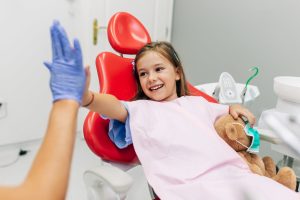
7. Schedule Regular Dental Check-Ups
Regular dental visits are essential for maintaining children’s oral health and identifying potential problems before they become more serious.
Children should generally have their first dental visit when their first tooth appears or by their first birthday.
Why Are Regular Dental Visits Important?
Routine dental check-ups allow dental professionals to:
- Monitor the development of baby and adult teeth.
- Identify early signs of tooth decay.
- Check gum health.
- Provide advice on brushing and flossing techniques.
- Discuss fluoride protection and preventive dental treatments.
Regular visits also help children become comfortable with the dental environment, reducing anxiety about future appointments.
8. Create a Consistent Morning and Night Dental Routine
Consistency is the key to developing lifelong dental hygiene habits. Establishing a simple morning and evening routine helps children understand that looking after their teeth is a daily responsibility.
A Simple Daily Dental Hygiene Checklist
Morning:
- Brush teeth for two minutes using fluoride toothpaste.
- Clean the tongue gently.
- Eat a balanced breakfast.
- Drink water throughout the day.
Evening:
- Brush teeth for two minutes before bedtime.
- Floss between teeth where they touch.
- Avoid eating or drinking anything other than water after brushing.
Keeping this routine consistent helps children understand the importance of daily oral care.
9. Be Patient and Celebrate Their Progress
Developing good dental hygiene habits takes time, particularly for younger children who are still learning new skills.
Rather than expecting perfection immediately, focus on encouraging progress and building confidence.
Praise your child when they remember to brush, demonstrate good technique or complete their flossing routine.
You could introduce a weekly reward system, such as choosing a family activity or a special bedtime story. Rewards should encourage healthy habits rather than involve sugary treats.
Remember that every small step towards better dental hygiene contributes to healthier teeth and gums in the future.
Conclusion: Build Healthy Smiles With Good Dental Hygiene Habits
Teaching children good dental hygiene habits from an early age is essential for protecting their teeth and establishing a lifetime of healthy oral care.
By making brushing fun, introducing flossing, encouraging healthy eating habits and scheduling regular dental check-ups, parents can help their children develop positive attitudes towards looking after their smiles.
Most importantly, remember that children learn through consistency and example. Making dental hygiene a family priority can help ensure your child develops the skills and confidence needed to maintain healthy teeth as they grow.
If you’re unsure about your child’s dental hygiene routine, speak with your dentist or dental hygienist for personalised advice on keeping their smile healthy.