

Composite Bonding vs. Veneers: Which Is Right for You?
If you are looking to improve your smile, cosmetic dentistry offers several treatments that can help enhance the appearance of your teeth. Two popular options are composite bonding and porcelain veneers. Both treatments can transform your smile by correcting imperfections, improving tooth shape and creating a more balanced appearance.
However, while composite bonding and veneers may achieve similar cosmetic results, they differ in materials, costs, treatment processes and longevity.
So, when comparing composite bonding vs. veneers, which option is right for you?
Understanding the differences between these treatments can help you make an informed decision about your smile makeover. In this guide, we explore how composite bonding and porcelain veneers work, their benefits, potential drawbacks and which treatment may best suit your dental needs.
What Is Composite Bonding?
Composite bonding, also known as dental bonding, is a cosmetic dental treatment that uses a tooth-coloured composite resin to improve the appearance of natural teeth.
During the procedure, your dentist applies the resin directly to the tooth surface, carefully shapes it and hardens it using a specialised curing light. The material is then polished to create a smooth, natural-looking finish.
What Can Composite Bonding Fix?
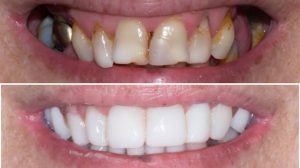
Composite bonding is a versatile treatment that can address several minor cosmetic dental concerns, including:
Chipped or cracked teeth.
Small gaps between teeth.
Uneven or irregular tooth edges.
Misshapen or undersized teeth.
Certain types of tooth discolouration.
Minor imperfections affecting your smile.
One of the main advantages of composite bonding is that it generally requires minimal preparation of natural tooth structure. In many cases, treatment can be completed in a single appointment.
What Are Porcelain Veneers?
Porcelain veneers are thin, custom-made shells designed to cover the front surfaces of teeth. They are created to improve the colour, shape, size and overall appearance of your smile.
Unlike composite bonding, porcelain veneers are manufactured outside the mouth, usually in a dental laboratory, before being carefully bonded to your natural teeth.
What Can Porcelain Veneers Improve?
Porcelain veneers can address a range of cosmetic concerns, including:
Severely discoloured or stained teeth.
Uneven or misshapen teeth.
Worn or chipped teeth.
Minor spacing issues.
Teeth that appear too small or irregular.
Cosmetic imperfections affecting multiple front teeth.
Veneers are particularly popular among patients looking for a more comprehensive smile transformation.
However, treatment generally involves some removal of natural tooth structure, and the process is often irreversible.
Composite Bonding vs. Veneers: What Are the Main Differences?
Although both treatments can improve the appearance of your teeth, there are several important differences to consider before choosing between them.
1. Treatment Process
Composite bonding is generally a straightforward procedure. Your dentist applies the resin directly to your teeth, shapes it and hardens it using a curing light.
In many cases, the treatment can be completed in one appointment.
Porcelain veneers usually require more planning and multiple appointments. Your dentist will assess your teeth, prepare the tooth surfaces where necessary, take impressions or digital scans and arrange for your custom veneers to be manufactured.
Once ready, the veneers are bonded to your teeth.
2. Appearance and Aesthetics
Both composite bonding and porcelain veneers can create natural-looking results when carefully planned and performed.
Composite resin can be colour-matched to your natural teeth and shaped to improve minor imperfections.
Porcelain veneers offer a highly polished appearance and can provide greater consistency in colour and shape across multiple teeth. They are also generally more resistant to staining than composite resin.
The best aesthetic result depends on your natural teeth, smile goals and the skill of your dentist.
3. Durability and Longevity
One of the biggest differences between composite bonding and porcelain veneers is how long they typically last.
Composite bonding generally lasts around 3 to 10 years, depending on your oral hygiene, lifestyle habits and the amount of pressure placed on the bonded teeth.
Porcelain veneers can often last approximately 10 to 15 years or longer with appropriate care.
While veneers are generally more durable and stain-resistant, both treatments require regular dental check-ups and good oral hygiene to maintain their results.
4. Cost of Treatment
Cost is another important consideration when comparing composite bonding vs. veneers.
Composite bonding is generally more affordable because the resin is applied directly to the teeth without requiring laboratory fabrication.
Porcelain veneers typically involve a higher initial investment due to custom manufacturing, additional appointments and the materials used.
The overall cost of either treatment depends on the number of teeth being treated, the complexity of your case and your dental clinic’s fees.
Your dentist can provide a personalised treatment plan and explain the costs involved before you proceed.
5. Tooth Preparation
Composite bonding is generally considered a more conservative treatment because it often requires little to no removal of natural tooth enamel.
Porcelain veneers usually require some enamel removal to create space for the restorations and ensure they fit naturally against your teeth.
This means veneers are generally an irreversible treatment, whereas composite bonding may be easier to modify or remove, depending on the preparation and condition of the underlying tooth.
Pros and Cons of Composite Bonding
Before choosing composite bonding, it is worth understanding its main advantages and limitations.
Benefits of Composite Bonding
Generally more affordable than porcelain veneers.
Minimally invasive treatment.
Often completed in a single appointment.
Can create natural-looking results.
Suitable for repairing minor imperfections.
Easier to repair if chipped or damaged.
Potential Disadvantages of Composite Bonding
Generally has a shorter lifespan than porcelain veneers.
More susceptible to staining over time.
Can chip or wear down.
May require more frequent maintenance.
May not be suitable for extensive cosmetic changes.
Pros and Cons of Porcelain Veneers
Porcelain veneers offer several advantages for patients seeking a more comprehensive cosmetic transformation.
Benefits of Porcelain Veneers
Generally longer-lasting than composite bonding.
Highly resistant to staining.
Can create consistent colour and shape across multiple teeth.
Suitable for a range of cosmetic imperfections.
Provide durable and natural-looking results.
Potential Disadvantages of Porcelain Veneers
Higher initial treatment cost.
Usually require some removal of natural tooth structure.
Generally involve multiple appointments.
Damaged veneers may need to be replaced.
Not suitable for every dental condition.
Composite Bonding vs. Veneers: Which Is Better for You?
The right treatment depends on your dental condition, cosmetic goals, budget and expectations.
When Is Composite Bonding the Better Option?
Composite bonding may be suitable if you:
Have minor chips or uneven tooth edges.
Want to close small gaps.
Prefer a minimally invasive treatment.
Want a more affordable cosmetic option.
Would like to improve your smile in a single appointment.
When Are Porcelain Veneers the Better Option?
Porcelain veneers may be worth considering if you:
Want to improve the appearance of several front teeth.
Have more noticeable discolouration.
Want a longer-lasting cosmetic restoration.
Prefer a material that is more resistant to staining.
Are looking for a more comprehensive smile makeover.
Your dentist will assess your oral health and discuss which treatment is most appropriate for your individual circumstances.
How to Maintain Your Results After Treatment
Whether you choose composite bonding or porcelain veneers, good aftercare is essential for maintaining your smile.
Follow these simple recommendations:
Brush twice daily using a soft-bristled toothbrush.
Floss daily to maintain healthy gums.
Avoid biting hard objects such as ice or fingernails.
Limit staining foods and drinks, particularly if you have composite bonding.
Avoid smoking and tobacco products.
Attend regular dental examinations and professional cleans.
Wear a dentist-recommended night guard if you grind your teeth.
These habits can help protect your restorations and support your overall oral health.
Final Thoughts: Should You Choose Composite Bonding or Veneers?
When comparing composite bonding vs. veneers, there is no single treatment that is right for everyone.
Composite bonding is an excellent option for patients looking for a more affordable, minimally invasive way to correct minor dental imperfections. Porcelain veneers may be better suited to people seeking a more comprehensive smile transformation with greater stain resistance and longevity.
Both treatments can improve the appearance of your teeth and help you feel more confident about your smile.
The best way to decide is to arrange a consultation with your dentist. They can assess your teeth, discuss your expectations and recommend a personalised treatment plan to help you achieve a healthy, natural-looking smile.