

Is Dental Bonding a Permanent Solution for Imperfect Teeth?
If you are unhappy with chipped teeth, small gaps, uneven edges or other minor dental imperfections, you may be considering dental bonding as a way to improve your smile. Dental bonding is a popular cosmetic dentistry treatment that can enhance the appearance of your teeth without requiring extensive dental work.
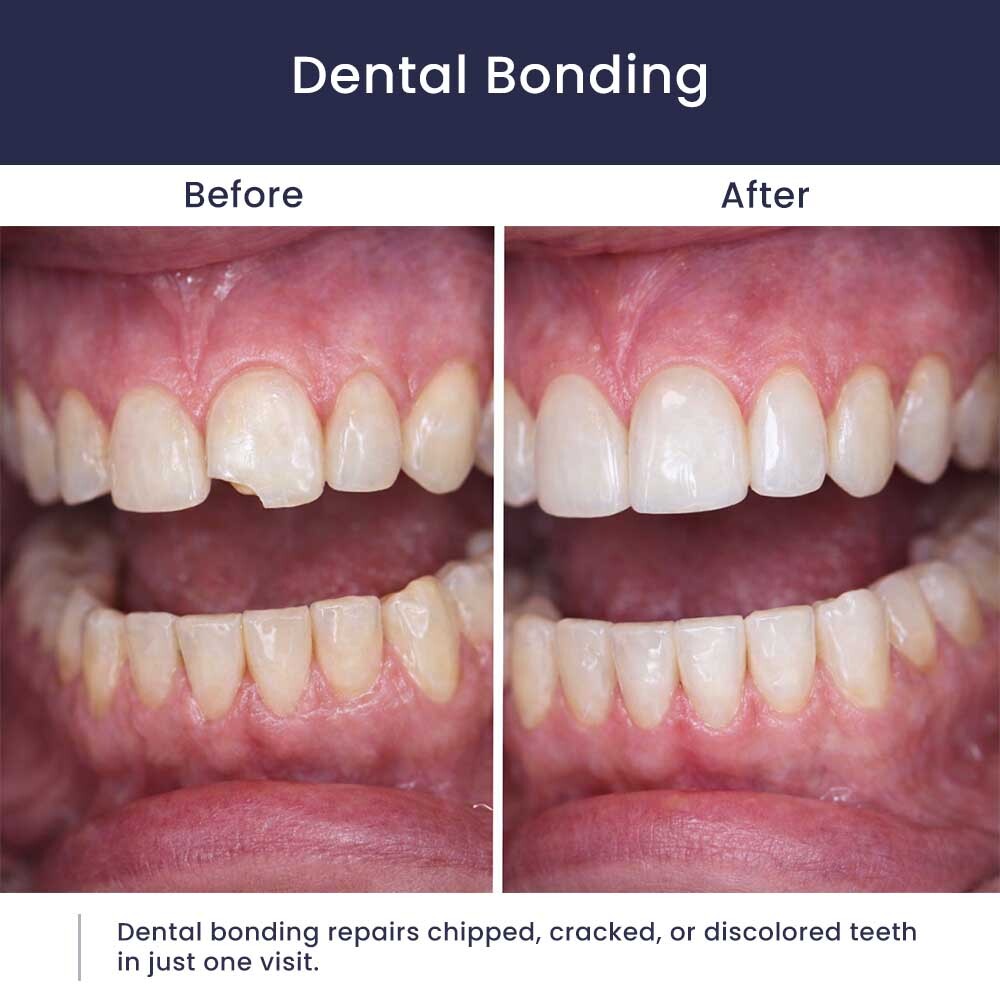
Also known as composite bonding, this treatment uses a tooth-coloured resin material that is carefully applied and shaped to improve the size, shape and appearance of your teeth. It is a convenient option for people looking to achieve a more balanced smile while preserving their natural tooth structure.
However, one common question patients ask before choosing this treatment is: Is dental bonding permanent?
The simple answer is no. Although dental bonding can provide long-lasting cosmetic improvements, the material is not designed to last forever. Understanding its lifespan, maintenance requirements and potential limitations can help you decide whether it is the right solution for your smile.
What Is Dental Bonding?
Dental bonding is a cosmetic dental procedure that involves applying a tooth-coloured composite resin directly to the surface of a tooth.
The resin is selected to complement your natural tooth shade, then carefully moulded to achieve the desired appearance. Once the material has been shaped, your dentist uses a specialised curing light to harden it before polishing the surface.
Dental bonding is commonly used to improve several cosmetic dental concerns, including:
Chipped or cracked teeth.
Small gaps between teeth.
Uneven or irregular tooth edges.
Misshapen or undersized teeth.
Certain types of tooth discolouration.
Minor imperfections affecting the appearance of your smile.
One of the biggest advantages of composite bonding is that it generally requires minimal preparation. In many cases, treatment can be completed in a single dental appointment.
Is Dental Bonding a Permanent Solution?
Dental bonding is considered a long-lasting cosmetic treatment rather than a permanent solution.
Unlike natural tooth enamel, composite resin can gradually wear down, stain or chip over time. This means that bonded teeth may eventually require maintenance, repairs or replacement to maintain their appearance.
How Long Does Dental Bonding Last?
On average, dental bonding can last approximately 3 to 10 years. However, the actual lifespan depends on several factors, including:
The location of the bonded tooth.
The amount of composite resin used.
Your eating and oral hygiene habits.
Whether you grind or clench your teeth.
Your bite and the pressure placed on the bonded area.
How regularly you attend dental check-ups.
Bonding on front teeth may experience different types of wear compared with bonding on teeth exposed to greater biting forces.
With proper care and regular dental visits, you can help extend the lifespan of your composite bonding.
Why Doesn’t Dental Bonding Last Forever?
Although modern composite resin is designed to be durable, it does not have exactly the same properties as natural enamel or porcelain.
Over time, everyday activities such as chewing, biting and brushing can contribute to gradual wear.
1. Everyday Wear and Tear
Your teeth are exposed to constant pressure throughout the day. Chewing food, biting and normal contact between your upper and lower teeth can gradually affect the bonded material.
This is particularly relevant if bonding has been used to restore chipped edges or reshape front teeth.
2. Staining and Discolouration
Composite resin can absorb or accumulate stains over time. Regular consumption of coffee, tea, red wine and other highly pigmented foods and drinks may affect its appearance.
Unlike natural teeth, bonded resin does not respond to conventional whitening treatments in the same way.
3. Chipping or Damage
Although composite bonding is suitable for many cosmetic improvements, it can chip or break if exposed to excessive pressure.
Biting ice, chewing hard objects or using your teeth to open packaging can increase the risk of damage.
4. Teeth Grinding and Clenching
People who grind or clench their teeth may place additional pressure on bonded areas. Over time, this can increase the likelihood of wear, cracks or chips.
If you grind your teeth, your dentist may recommend a custom night guard to help protect your natural teeth and dental bonding.
Can Dental Bonding Be Repaired or Replaced?
One advantage of composite bonding is that it can often be repaired if it becomes chipped, damaged or worn.
Depending on the condition of the bonded tooth, your dentist may be able to add more composite resin, reshape the existing material or replace the restoration entirely.
When Does Dental Bonding Need Replacing?
You may need to have your dental bonding assessed if you notice:
Visible chips or cracks.
Rough or uneven edges.
Changes in colour.
Material becoming loose or separating from the tooth.
Discomfort when biting.
A noticeable change in the appearance of your smile.
Not every imperfection requires complete replacement. In some situations, polishing or a small repair may be enough to restore the appearance of the bonded tooth.
Your dentist can examine the restoration and recommend the most appropriate solution.
How Can You Make Dental Bonding Last Longer?
Although dental bonding is not permanent, there are several ways to protect your investment and maintain your results.
Maintain Good Oral Hygiene
Brush your teeth twice daily using a soft-bristled toothbrush and fluoride toothpaste. Floss daily to remove plaque and food particles between your teeth.
Good oral hygiene helps protect the natural tooth structure surrounding the bonded area and supports healthy gums.
Avoid Biting Hard Objects
Avoid biting ice, fingernails, pens or other hard objects. These habits can place unnecessary pressure on your bonded teeth and increase the risk of damage.
Limit Staining Foods and Drinks
Try to limit frequent consumption of coffee, tea, red wine and other staining beverages. Avoiding smoking and tobacco products can also help maintain the appearance of your composite bonding.
Attend Regular Dental Check-Ups
Routine dental examinations allow your dentist to monitor your bonded teeth and identify early signs of wear or damage.
Professional cleaning and regular assessments can help keep your smile healthy and your bonding in good condition.
Dental Bonding vs Porcelain Veneers: Which Lasts Longer?
If longevity is one of your main concerns, you may be wondering how dental bonding compares with porcelain veneers.
Both treatments can improve the appearance of imperfect teeth, but they have different materials, costs and maintenance requirements.
Composite Dental Bonding
Composite bonding typically lasts around 3 to 10 years. It is generally more affordable, minimally invasive and can often be completed in one appointment.
However, composite resin is more susceptible to staining and may require more frequent repairs or maintenance.
Porcelain Veneers
Porcelain veneers can often last approximately 10 to 15 years or longer with appropriate care. They are generally more resistant to staining and can provide durable cosmetic improvements.
However, veneers usually involve a higher initial cost and may require some removal of natural tooth structure.
The best option depends on your oral health, cosmetic goals, budget and expectations. Your dentist can help you compare the treatments and determine which is most suitable.
Is Dental Bonding Worth It for Imperfect Teeth?
For many patients, dental bonding is an excellent option for improving minor cosmetic imperfections without committing to more extensive dental procedures.
It can restore chipped teeth, reduce the appearance of small gaps, improve uneven edges and create a more balanced smile.
Although it is not permanent, its relatively affordable cost, natural-looking results and conservative approach make it a popular cosmetic dentistry treatment.
The important thing is to understand that composite bonding requires ongoing care and may need repairs or replacement over time.
Transform Your Smile with Long-Lasting Dental Bonding
So, is dental bonding a permanent solution for imperfect teeth? While it is not permanent, composite bonding can provide attractive and long-lasting results when performed correctly and maintained with good oral hygiene.
By understanding the expected lifespan, avoiding habits that can damage the material and attending regular dental check-ups, you can help keep your bonded teeth looking their best.
If you are considering dental bonding, speak with your dentist about your cosmetic goals and treatment options. They can assess your teeth, explain the expected results and help you decide whether composite bonding is the right solution for achieving a smile you feel confident sharing.