

Baby Teeth Matter: Why Children’s Oral Health Is So Important
Many parents believe that baby teeth are not particularly important because they eventually fall out and are replaced by permanent adult teeth. However, this is a common misconception. Baby teeth play a vital role in a child’s growth, development and overall health.
Maintaining good children’s oral health from an early age helps prevent tooth decay, supports healthy development and establishes positive dental hygiene habits that can last a lifetime.
From helping children chew their food to supporting speech development, baby teeth have several important functions. Understanding why baby teeth matter can help parents make informed decisions about their child’s dental care and protect their little one’s smile as they grow.
In this article, we’ll explore the importance of baby teeth, common childhood dental problems and practical ways to maintain healthy teeth and gums.
Why Are Baby Teeth So Important?
Baby teeth, also known as primary teeth or milk teeth, begin appearing when babies are around six months old. Most children develop a complete set of 20 baby teeth by approximately three years of age.
Although these teeth are temporary, they serve several important purposes during childhood.

Baby Teeth Help With Eating and Chewing
One of the most important functions of baby teeth is helping children bite, chew and break down food.
Healthy teeth allow children to eat a wider variety of foods, including fruits, vegetables and other nutritious options that support their growth.
When baby teeth become damaged or painful due to tooth decay, children may struggle to chew comfortably. This can affect their eating habits and make mealtimes difficult.
Baby Teeth Support Speech Development
Baby teeth also play an important role in helping children learn to speak clearly.
The teeth, tongue and lips work together to produce different sounds. Missing, damaged or poorly positioned teeth can sometimes affect how children pronounce certain words and sounds.
Maintaining healthy baby teeth supports normal speech development as children learn to communicate.
Baby Teeth Maintain Space for Permanent Teeth
Another important reason baby teeth matter is that they help maintain the space needed for permanent adult teeth.
Baby teeth act as natural placeholders, guiding permanent teeth into their correct positions as they develop.
If a baby tooth is lost too early because of decay or injury, neighbouring teeth may shift into the empty space. This can potentially lead to crowding or alignment problems when adult teeth begin to emerge.
What Happens If Baby Teeth Are Not Properly Cared For?
Poor children’s oral hygiene can lead to several dental problems, even at a very young age.
Baby teeth have thinner enamel than permanent teeth, making them particularly vulnerable to tooth decay.
Tooth Decay and Childhood Cavities
Tooth decay occurs when bacteria in the mouth feed on sugars and produce acids that gradually damage tooth enamel.
If cavities are left untreated, decay can progress deeper into the tooth and cause pain, infection and difficulty eating.
Children who frequently consume sugary snacks and drinks or do not brush regularly may have an increased risk of developing cavities.
Gum Problems and Oral Infections
Although gum disease is more commonly associated with adults, children can also experience gum irritation and inflammation.
Poor brushing habits allow plaque to accumulate around the gumline, potentially causing redness, swelling and bleeding.
Maintaining good oral hygiene helps protect children’s gums and reduces the risk of oral health problems.
Premature Loss of Baby Teeth
When baby teeth are severely damaged by decay, they may need to be removed earlier than expected.
Losing baby teeth prematurely can affect the spacing and positioning of permanent teeth.
Your dentist can assess whether preventive treatment or a space maintainer may be appropriate to help preserve the space needed for developing adult teeth.
How to Maintain Good Oral Health for Children
Developing healthy dental hygiene habits early is one of the best ways to protect baby teeth and encourage lifelong oral health.
Parents play an important role in helping children establish consistent routines and understand why looking after their teeth matters.
Start Brushing When the First Tooth Appears
Dental care should begin before your child develops a full set of teeth.
Before the first tooth appears, gently clean your baby’s gums using a clean, damp cloth.
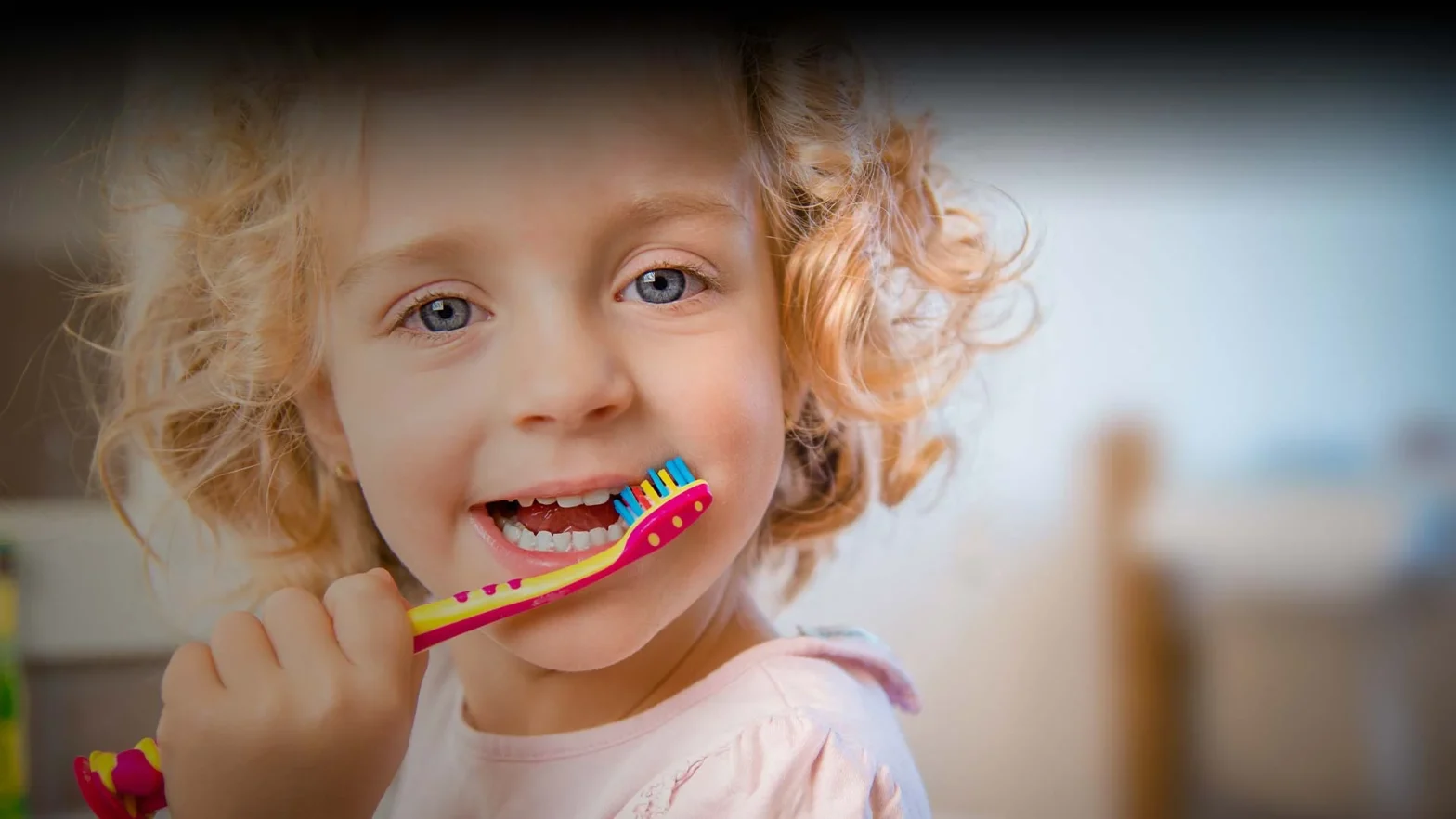
Once the first tooth emerges, introduce a small, soft-bristled toothbrush and begin brushing twice daily using an age-appropriate amount of fluoride toothpaste.
Make sure to clean all tooth surfaces, including the front, back and chewing surfaces.
Supervise Your Child’s Brushing Routine
Young children often do not have the coordination needed to brush their teeth thoroughly.
Parents should supervise and assist with brushing until their child develops the necessary skills, generally around seven to eight years of age.
Making brushing a family activity can help children develop positive habits and understand the importance of daily oral care.
Introduce Flossing When Teeth Touch
As children develop more teeth, some spaces may become too tight for a toothbrush to clean effectively.
Start flossing when your child’s teeth begin touching each other to help remove plaque and food particles between the teeth.
Parents may need to assist with flossing until children can manage the technique independently.
The Importance of Healthy Eating for Children’s Teeth
Diet has a significant impact on children’s oral health. The foods and drinks children consume can either support strong teeth or increase their risk of developing cavities.
Limit Sugary Snacks and Drinks
Frequent exposure to sugar encourages harmful bacteria in the mouth to produce acids that attack tooth enamel.
Try to limit foods and drinks such as:
- Lollies and sweets.
- Chocolate and sugary desserts.
- Soft drinks and sports drinks.
- Sweetened fruit juices.
- Sticky snacks that cling to teeth.
Encourage children to drink water regularly, particularly between meals.
Choose Foods That Support Strong Teeth
A balanced diet provides important nutrients that support healthy teeth and gums.
Good options include:
- Cheese and plain yoghurt for calcium.
- Fresh vegetables such as carrots and cucumber.
- Whole fruits as part of a balanced diet.
- Eggs and other protein-rich foods.
- Water to help maintain good hydration.
Encouraging healthy eating habits early can benefit both oral health and overall development.
When Should Your Child First Visit the Dentist?
Many parents are unsure when their child should have their first dental appointment.
Children should generally visit a dentist when their first tooth appears or by their first birthday, whichever comes first.
Early dental visits help identify potential problems, monitor tooth development and provide parents with advice on caring for baby teeth.
What Happens During a Children’s Dental Check-Up?
During a dental appointment, your dentist will examine your child’s teeth, gums and mouth to check for signs of tooth decay or other concerns.
They may also discuss:
- Proper brushing and flossing techniques.
- Suitable toothbrushes and fluoride toothpaste.
- Healthy eating habits.
- Preventing childhood cavities.
- Future dental check-up schedules.
Regular dental visits help children become familiar with the dental environment and develop a positive attitude towards oral healthcare.
Common Myths About Baby Teeth
There are several misconceptions about baby teeth that can lead parents to underestimate the importance of children’s dental care.
Myth 1: Baby Teeth Do Not Need Much Attention
Although baby teeth are temporary, they are essential for chewing, speech development and maintaining space for adult teeth.
They need the same consistent attention to oral hygiene as permanent teeth.
Myth 2: Cavities in Baby Teeth Do Not Matter
Untreated cavities can cause pain, infection and premature tooth loss. Dental problems in baby teeth can also affect a child’s ability to eat comfortably.
Early treatment and prevention are important for protecting children’s oral health.
Myth 3: Children Can Brush Their Teeth Without Help
Young children often lack the coordination to clean every tooth properly.
Parents should supervise and assist with brushing until their child can consistently brush effectively.
Conclusion: Protect Your Child’s Smile From the Beginning
Baby teeth matter more than many parents realise. They support eating, speech development and the proper positioning of permanent adult teeth.
Looking after children’s oral health from an early age helps prevent tooth decay, protect developing smiles and establish positive dental hygiene habits that can last a lifetime.
By encouraging regular brushing, introducing flossing when appropriate, providing a balanced diet and scheduling routine dental check-ups, parents can give their children the best possible foundation for healthy teeth and gums.
Remember, healthy adult smiles begin with healthy baby teeth. If you have concerns about your child’s teeth or dental development, speak with your dentist for professional advice and guidance.