


Dental Hygiene Tips for Busy Parents: How to Keep Your Family’s Smiles Healthy
Between school drop-offs, work commitments, after-school activities and household responsibilities, finding time for everything can be challenging for busy parents. With so much happening throughout the day, maintaining a consistent dental hygiene routine for the whole family can sometimes become an afterthought.
However, looking after your family’s teeth and gums doesn’t have to be complicated or time-consuming. Establishing simple daily habits can help prevent tooth decay, protect healthy gums and encourage children to develop good oral hygiene practices from an early age.
Whether you’re caring for toddlers, school-aged children or teenagers, making dental hygiene a priority can have long-term benefits for everyone’s oral health.
In this guide, we’ll share practical dental hygiene tips for busy parents, including easy ways to maintain healthy smiles, encourage children to brush regularly and fit dental care into even the busiest schedules.
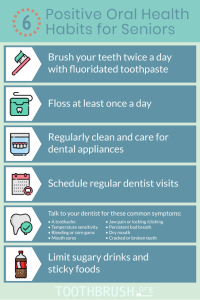
1. Establish a Simple Morning and Evening Dental Routine
One of the easiest ways to maintain good oral health is to create a consistent dental hygiene routine.
Rather than treating brushing as another task to squeeze into your day, make it a regular part of your family’s morning and bedtime schedules.
Brush Twice a Day for Two Minutes
Everyone in the family should brush their teeth twice daily using fluoride toothpaste.
Encourage children to brush in the morning and again before bedtime. Brushing before sleep is particularly important because it removes plaque and food particles that accumulate throughout the day.
Use a soft-bristled toothbrush and spend approximately two minutes cleaning all tooth surfaces, including the front, back and chewing surfaces.
Make Brushing a Family Activity
Children often learn by watching their parents. Brushing your teeth together can encourage younger family members to follow your example.
You could play a two-minute song, use a brushing timer or create a family brushing chart to make the experience more enjoyable.
Making dental care a shared activity also helps establish healthy habits without adding extra tasks to your daily schedule.
2. Choose the Right Dental Hygiene Products
Using suitable dental hygiene products makes it easier to maintain healthy teeth and gums.
Having the right essentials readily available can also help reduce the time spent preparing for your family’s daily routines.
Invest in Suitable Toothbrushes
Choose soft-bristled toothbrushes that are appropriate for each family member’s age and mouth size.
Electric toothbrushes can be helpful for people who find manual brushing difficult, while children’s toothbrushes with colourful designs can make brushing more appealing.
Remember to replace toothbrushes approximately every three to four months, or sooner if the bristles become worn.
Keep Fluoride Toothpaste Accessible
Fluoride toothpaste helps strengthen tooth enamel and protect against tooth decay.
Use an age-appropriate amount of toothpaste for children and encourage adults to brush using fluoride toothpaste twice daily.
For children under 18 months, use water only unless advised otherwise by a dental professional. From 18 months to six years, Australian guidance generally recommends a pea-sized amount of low-fluoride children’s toothpaste containing 500–550 ppm fluoride, with adult supervision.
Keeping everyone’s toothbrushes and toothpaste organised in one convenient location can make busy mornings much easier.
3. Make Flossing Part of Your Daily Routine
Although brushing is essential, it cannot effectively clean every surface between your teeth.
Flossing helps remove plaque and food particles from areas that toothbrush bristles cannot easily reach.
Find a Convenient Time to Floss
For busy parents, remembering to floss every day can be difficult.
Try keeping dental floss next to your toothbrush so it becomes part of your existing routine.
You can also use floss picks if you find traditional dental floss difficult to handle.
Encourage Children to Floss Too
Children should begin flossing when their teeth start touching each other.
Parents may need to help younger children floss until they develop the coordination to do it independently.
Introducing flossing early helps children understand that healthy teeth require more than just brushing.
4. Plan Healthy Snacks and Limit Sugary Foods
Busy schedules often make convenient snacks and takeaway meals tempting. However, frequent consumption of sugary foods and drinks can increase the risk of tooth decay.
Planning healthier snacks ahead of time can make it easier to protect your family’s oral health.
Choose Tooth-Friendly Snacks
Prepare simple, nutritious snacks that the whole family can enjoy.
Some good options include:
- Fresh fruit.
- Carrot and cucumber sticks.
- Cheese.
- Plain yoghurt.
- Nuts for children old enough to eat them safely.
- Wholegrain snacks with minimal added sugar.
These foods can help support a balanced diet and provide nutrients important for healthy teeth.
Reduce Sugary Drinks
Soft drinks, sports drinks, cordial and sweetened juices can expose teeth to sugars and acids that contribute to dental problems.
Encourage family members to drink water throughout the day. Water is generally the best everyday drink for maintaining hydration and supporting oral health.
Try to keep sugary foods and drinks to mealtimes rather than allowing frequent snacking throughout the day.
5. Make Dental Care Easier for Children
Getting children to brush and floss consistently can be one of the biggest challenges for parents.
The key is making dental hygiene enjoyable, predictable and easy to follow.
Use Rewards and Brushing Charts
A simple reward chart can encourage children to remember their morning and evening brushing routines.
Give them a sticker whenever they complete their dental hygiene routine and celebrate their progress.
Focus on positive encouragement rather than making brushing feel like a punishment.
Supervise Children’s Brushing
Younger children often lack the coordination needed to brush their teeth effectively.
Parents should supervise and assist with brushing until children develop the necessary skills, generally around seven to eight years old.
Checking their technique helps ensure they are cleaning all tooth surfaces properly.
6. Schedule Regular Dental Check-Ups in Advance
When life gets busy, routine dental appointments can easily be forgotten.
However, regular dental check-ups are essential for identifying potential problems early and maintaining healthy teeth and gums.
Book Family Dental Appointments Ahead of Time
Rather than waiting until someone develops toothache, schedule dental appointments in advance.
Children should generally have their first dental visit when their first tooth appears or by their first birthday.
Afterwards, the recommended frequency of check-ups will depend on individual oral health needs and your dentist’s advice.
Why Preventive Dental Care Matters
Regular dental visits allow your dentist to:
- Check for early signs of tooth decay.
- Monitor gum health.
- Identify potential dental problems.
- Provide professional teeth cleaning when appropriate.
- Offer advice on improving daily oral hygiene.
- Discuss preventive treatments such as fluoride applications.
Preventive care can help reduce the likelihood of more complicated dental problems developing over time.
7. Don’t Forget Your Own Dental Health
Parents often prioritise their children’s needs while putting their own health last.
However, maintaining your own oral health is just as important.
Lead by Example
Children are more likely to develop good dental hygiene habits when they see their parents practising them consistently.
Make brushing, flossing and regular dental visits a normal part of family life.
Make Time for Your Own Check-Ups
Avoid postponing your own dental appointments because of work or family commitments.
Untreated dental problems can become more complicated if ignored. Regular check-ups help identify concerns early and keep your smile healthy.
Remember, looking after yourself also helps you set a positive example for your children.
8. Create a Family Dental Hygiene Checklist
A simple checklist can help everyone remember their daily dental responsibilities.
Morning routine:
- Brush teeth for two minutes using fluoride toothpaste.
- Clean the tongue gently.
- Eat a balanced breakfast.
- Drink water throughout the day.
Evening routine:
- Brush teeth for two minutes before bedtime.
- Floss between teeth where they touch.
- Avoid eating or drinking anything other than water after brushing.
- Prepare toothbrushes and toothpaste for the next morning.
Keeping the routine simple makes it easier for busy families to stay consistent.
Conclusion: Healthy Smiles Start With Simple Daily Habits
Maintaining good oral health doesn’t need to be difficult, even when you’re juggling work, parenting and everyday responsibilities.
By establishing consistent brushing routines, encouraging daily flossing, choosing healthier snacks and scheduling regular dental check-ups, busy parents can help protect their family’s teeth and gums.
The most important thing is consistency. Small daily habits can make a significant difference to your family’s oral health over time.
Remember that healthy smiles start at home. Make dental hygiene a family priority and give everyone the best possible foundation for a lifetime of healthy teeth and gums.