

What Is Dental Plaque and Why Does It Build Up?
Dental plaque is one of the most common causes of oral health problems, yet many people do not realise how quickly it can form on their teeth. This sticky, colourless film develops naturally in the mouth and contains bacteria that feed on sugars and carbohydrates left behind after eating and drinking. If plaque is not removed regularly, it can contribute to tooth decay, cavities, bad breath and gum disease.
Understanding what dental plaque is, why it builds up and how to prevent it can help you maintain healthier teeth and gums. In this guide, we explain the causes of plaque buildup, what happens when plaque is left untreated, and the best ways to keep your smile clean and healthy.
What Is Dental Plaque?
Dental plaque is a sticky film of bacteria that continuously forms on the surfaces of your teeth, along the gumline and in other areas of the mouth. It begins developing soon after you brush your teeth, which means plaque formation is a normal and ongoing process.
Plaque contains bacteria, food particles and substances naturally found in saliva. When you eat foods containing sugars and starches, bacteria in plaque can use these substances to produce acids. These acids can attack tooth enamel and, over time, increase the risk of cavities and tooth decay.
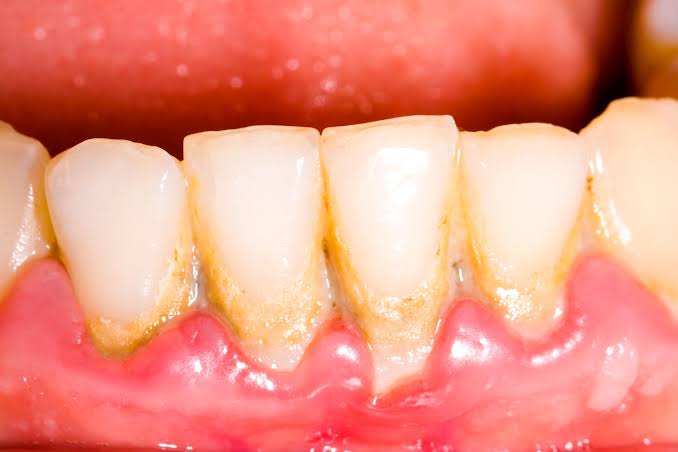
Although plaque may be difficult to see because it is often clear or pale yellow, you may notice a fuzzy or slippery feeling on your teeth. Plaque can become particularly noticeable when it accumulates around the gumline or between teeth.
Why Does Plaque Build Up on Teeth?
Plaque builds up because bacteria are naturally present in your mouth. While brushing and flossing can remove plaque, it begins forming again relatively quickly.
Several factors can contribute to excessive plaque buildup.
Poor Oral Hygiene
One of the main causes of plaque buildup is inadequate brushing and flossing. If plaque is not removed from tooth surfaces every day, it can accumulate and become more difficult to clean away.
Brushing twice a day with fluoride toothpaste and cleaning between your teeth daily can help reduce plaque and keep bacteria under control.
Eating Sugary and Starchy Foods
Your diet can also affect plaque formation. Sugary foods and drinks provide bacteria with fuel, allowing them to produce acids that can damage tooth enamel.
Frequent snacking on sweets, biscuits, cakes, soft drinks and other carbohydrate-rich foods can give bacteria repeated opportunities to produce acid. Limiting sugary snacks and choosing tooth-friendly foods can help support better oral health.
Not Cleaning Between Your Teeth
A toothbrush cannot effectively reach every surface of every tooth. Plaque can become trapped between teeth, where it may remain undisturbed for longer periods.
Dental floss, interdental brushes or other dentist-recommended cleaning tools can help remove plaque from these harder-to-reach areas.
What Happens If Plaque Is Not Removed?
Leaving plaque on your teeth can have several consequences for your oral health. The longer plaque remains, the greater the opportunity for bacteria and acids to affect your teeth and gums.
Plaque Can Cause Cavities
The acids produced by bacteria in plaque can weaken tooth enamel. Repeated acid attacks may eventually create holes or cavities in the teeth.
Cavities can cause sensitivity, pain and other dental problems if they are not treated. Regular brushing with fluoride toothpaste and routine dental check-ups can help reduce the risk.
Plaque Can Lead to Tartar
When plaque remains on the teeth, it can harden and become tartar, also known as dental calculus. Unlike soft plaque, tartar cannot usually be removed effectively with ordinary brushing and flossing.
A dental professional can remove tartar using professional cleaning techniques. Regular dental appointments can help prevent hardened deposits from accumulating around the teeth and gums.
Plaque Can Cause Gum Disease
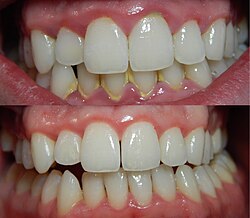
Plaque buildup along the gumline can irritate the gums and contribute to gingivitis, an early form of gum disease. Common signs include red, swollen or bleeding gums.
Without appropriate care, gum disease can become more advanced and potentially affect the tissues and bone supporting the teeth. This is why controlling plaque is an important part of maintaining healthy gums.
How Can You Tell If You Have Plaque Buildup?
Plaque is not always easy to see, but there are some signs that may indicate buildup. Your teeth may feel rough, fuzzy or sticky, particularly around the gumline. You may also notice a yellowish film on the teeth or experience persistent bad breath.
Plaque-disclosing products can sometimes make plaque easier to identify. These products temporarily colour areas where plaque is present, helping you see which parts of your teeth may need more thorough cleaning.
If you regularly experience bleeding gums, swelling, persistent bad breath or tooth sensitivity, it is a good idea to speak with a dentist.
How to Prevent Plaque Buildup on Teeth
Preventing plaque completely is not possible because it naturally forms in the mouth. However, a consistent oral hygiene routine can significantly reduce its accumulation.
Brush Your Teeth Twice a Day
Brush your teeth for approximately two minutes, twice a day, using fluoride toothpaste. Pay attention to all tooth surfaces and gently clean along the gumline.
An electric toothbrush can be useful for some people, although proper brushing technique is more important than the type of toothbrush you use.
Clean Between Your Teeth Daily
Cleaning between your teeth removes plaque that a toothbrush may miss. Floss or use interdental brushes according to your dentist’s recommendations.
Making interdental cleaning part of your daily routine can help reduce plaque buildup between teeth and around the gumline.
Limit Sugary Foods and Drinks
Reducing how often you consume sugary foods and drinks can help lower the number of acid attacks on your teeth. Drinking water regularly can also help rinse food particles from the mouth.
Visit Your Dentist Regularly
Routine dental examinations allow your dentist to identify plaque-related problems early. Professional dental cleaning can also remove tartar that cannot be removed effectively through brushing and flossing alone.
Your dentist can recommend an appropriate check-up schedule based on your individual oral health needs.
Is Dental Plaque the Same as Tartar?
No. Dental plaque and tartar are different, although they are closely related. Plaque is a soft, sticky bacterial film that can usually be removed through effective brushing and interdental cleaning.
Tartar forms when plaque hardens and becomes calcified. Once tartar has developed, professional dental cleaning is generally required to remove it safely and effectively.
Understanding the difference between plaque and tartar is important because preventing plaque from remaining on the teeth can help reduce tartar formation.
When Should You See a Dentist?
You should consider speaking with a dentist if you have persistent plaque buildup despite maintaining a good oral hygiene routine, or if you notice bleeding or swollen gums, persistent bad breath, tooth pain, sensitivity or visible tartar.
Professional advice can help identify the underlying cause of these symptoms and determine the most appropriate treatment or preventive care.
Conclusion
Dental plaque is a normal part of oral health, but allowing it to accumulate can increase the risk of cavities, tartar, bad breath and gum disease. Plaque develops when bacteria combine with saliva and food particles, particularly sugars and starches, to form a sticky film on the teeth.
The best way to control plaque buildup is to maintain consistent oral hygiene. Brush twice a day with fluoride toothpaste, clean between your teeth daily, limit frequent sugary foods and drinks, and attend regular dental check-ups.
By understanding what dental plaque is and why it builds up, you can take practical steps to protect your teeth and gums and maintain a healthier smile for years to come.