

The Daily Dental Routine That Can Transform Your Smile: Simple Steps for Better Oral Health
A healthy, confident smile starts with the habits you practise every day. While professional dental care is essential, your daily dental routine plays one of the biggest roles in protecting your teeth, maintaining healthy gums, and preventing common oral health problems.
Many dental issues, including cavities, gum disease, bad breath, and tooth sensitivity, are often linked to plaque buildup and poor oral hygiene habits. The good news is that a consistent daily dental routine can make a significant difference in the appearance and health of your smile.
By following the right steps each morning and evening, you can strengthen your teeth, protect your gums, and enjoy better long-term oral health.
Why Your Daily Dental Routine Matters
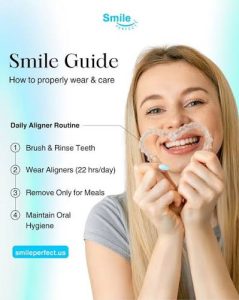
Your mouth is exposed to bacteria, food particles, and acids throughout the day. Without proper cleaning, plaque can build up on your teeth and around your gums, increasing the risk of tooth decay and gum problems.
A good dental routine removes harmful bacteria, protects enamel, and supports a healthier mouth environment. It is not about complicated treatments or expensive products—it is about consistency and using effective techniques every day.
The Benefits of a Consistent Oral Care Routine
A daily dental routine can help:
- Prevent cavities and tooth decay
- Reduce plaque buildup
- Protect your gums from disease
- Maintain fresher breath
- Support a brighter, healthier smile
- Reduce the need for complex dental treatments
Small daily habits can create lasting improvements in your oral health.
Step 1: Brush Your Teeth Twice a Day
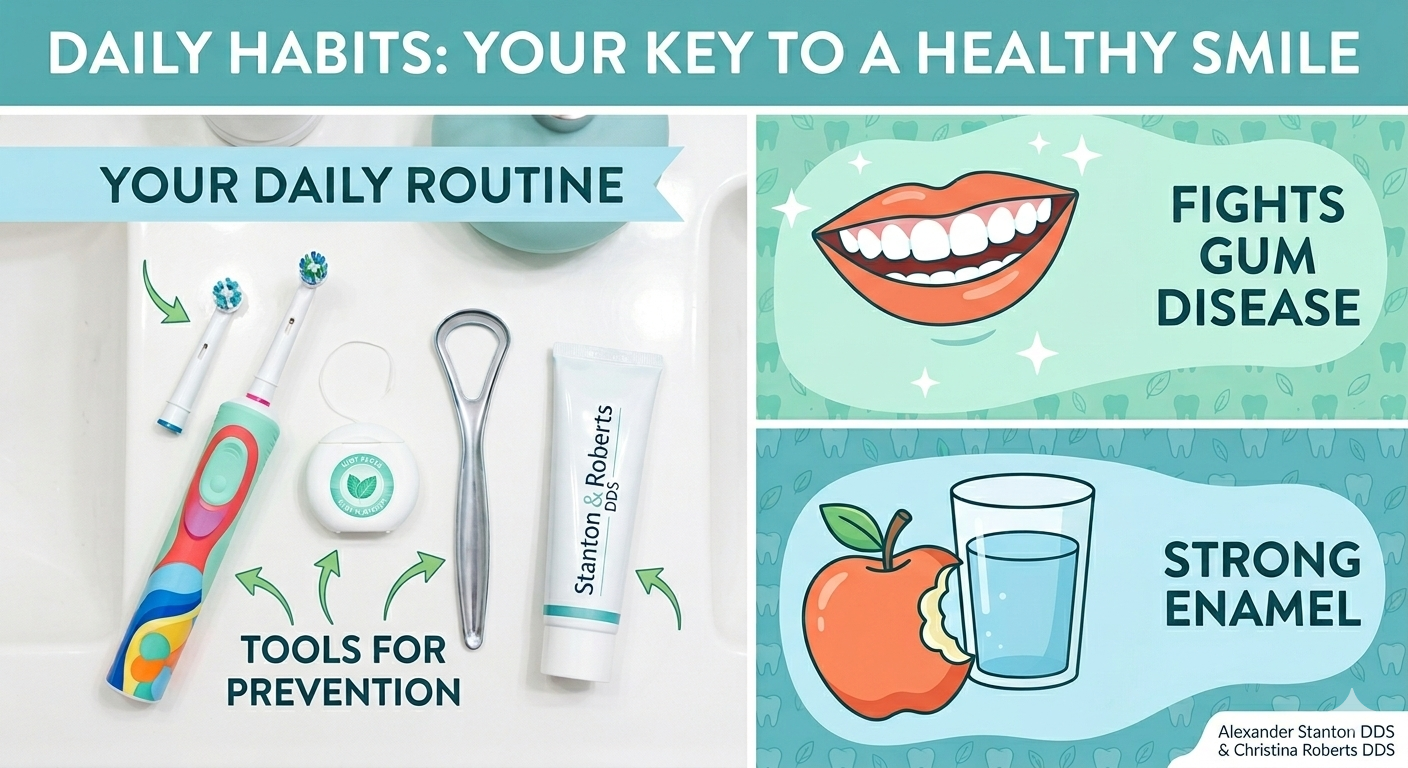
Brushing your teeth is the foundation of any effective dental routine. It helps remove plaque, bacteria, and food particles that collect on your teeth throughout the day.
Dentists generally recommend brushing your teeth twice daily, once in the morning and once before bed. Using fluoride toothpaste helps strengthen tooth enamel and provides additional protection against cavities.
How to Brush Your Teeth Correctly
To get the best results from brushing:
- Use a soft-bristled toothbrush
- Brush for approximately two minutes
- Hold your toothbrush at a 45-degree angle near your gum line
- Use gentle circular movements
- Clean the front, back, and chewing surfaces of your teeth
- Brush your tongue to remove bacteria that cause bad breath
Avoid brushing too aggressively, as excessive pressure can wear down enamel and irritate your gums.
Step 2: Floss Daily for a Cleaner Smile
Flossing is one of the most important parts of a complete dental routine. Toothbrushes cannot always reach the spaces between your teeth, allowing plaque and food particles to remain trapped.
Daily flossing helps clean these areas and reduces the risk of cavities and gum disease.
Why Flossing Is Essential
Regular flossing can:
- Remove plaque between teeth
- Prevent gum inflammation
- Reduce the risk of hidden cavities
- Support healthier gums
- Improve overall mouth cleanliness
If traditional floss is difficult to use, floss picks or water flossers may help you maintain consistency.
Step 3: Clean Your Tongue for Fresher Breath
Your tongue can collect bacteria, food particles, and residue that contribute to bad breath. Including tongue cleaning in your daily dental routine can help keep your mouth feeling cleaner.
You can gently clean your tongue using your toothbrush or a tongue scraper.
Benefits of Tongue Cleaning
Cleaning your tongue may help:
- Reduce bacteria buildup
- Improve breath freshness
- Enhance your sense of taste
- Support better overall oral hygiene
A clean tongue is an important part of maintaining a healthy smile.
Step 4: Use Mouthwash When Recommended
Mouthwash can be a helpful addition to your dental routine, although it should not replace brushing and flossing. Certain mouthwashes can help reduce bacteria, strengthen enamel, or support gum health.
Your dentist can recommend a mouthwash that suits your specific oral health needs.
How Mouthwash Supports Oral Health
Depending on the product, mouthwash may help:
- Reduce plaque-causing bacteria
- Freshen breath
- Provide additional fluoride protection
- Support healthier gums
Use mouthwash as directed and avoid relying on it as a substitute for daily brushing and flossing.
Step 5: Drink More Water Throughout the Day
Water is one of the simplest ways to support your oral health. Drinking water helps wash away food particles, reduce acidity in your mouth, and support saliva production.
Saliva is important because it naturally protects your teeth by neutralising acids and helping repair early enamel damage.
Why Water Is Important for Your Smile
Drinking enough water can help:
- Prevent dry mouth
- Reduce bacteria buildup
- Protect tooth enamel
- Keep your mouth feeling fresh
Choosing water instead of sugary drinks is one of the easiest improvements you can make for your dental health.
Step 6: Choose Foods That Support Healthy Teeth
Your diet has a direct impact on your teeth and gums. Foods high in sugar and acidity can increase the risk of cavities, while nutrient-rich foods help support strong teeth.
Best Foods for a Healthy Smile
Include more:
- Crunchy vegetables such as carrots and celery
- Fresh fruits in moderation
- Calcium-rich dairy products
- Nuts and seeds
- Lean proteins
- Foods rich in vitamins and minerals
Foods to Limit for Better Dental Health
Try to reduce:
- Sugary snacks
- Soft drinks
- Sticky sweets
- Frequent acidic drinks
Making smarter food choices helps protect your smile between dental visits.
Step 7: Protect Your Teeth During Daily Activities
Your daily habits can affect your dental health in ways you may not realise. Certain behaviours can increase the risk of tooth damage, enamel wear, and jaw problems.
Habits That Can Harm Your Teeth
Avoid:
- Chewing ice or hard objects
- Using teeth to open packages
- Smoking or using tobacco products
- Ignoring tooth pain or sensitivity
- Skipping regular dental appointments
Protecting your teeth from unnecessary damage helps preserve your smile.
Regular Dental Visits Complete Your Routine
A strong daily dental routine should always include regular visits to your dentist. Professional checkups allow dental professionals to detect problems early, remove tartar buildup, and provide personalised advice.
Even with excellent home care, some dental problems can develop without noticeable symptoms. Regular appointments help ensure your teeth and gums receive the care they need.
How Dental Checkups Support Your Smile
Dental visits can help:
- Detect cavities early
- Monitor gum health
- Remove stubborn plaque and tartar
- Identify potential dental concerns
- Maintain long-term oral health
Professional care combined with daily habits provides the best protection for your smile.
Final Thoughts
The daily dental routine that can transform your smile does not require complicated steps. Consistent brushing, daily flossing, tongue cleaning, drinking water, eating a balanced diet, and visiting your dentist regularly can create significant improvements in your oral health.
Your smile reflects the care you give your teeth every day. By building healthy dental habits and maintaining them over time, you can protect your teeth, support your gums, and enjoy a cleaner, healthier smile for years to come.