

7 Causes of Plaque Buildup on Your Teeth
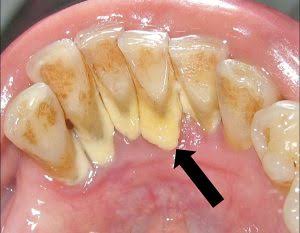
Dental plaque is a sticky film of bacteria that constantly forms on the surface of your teeth. While some plaque buildup is normal, allowing it to remain on your teeth can increase the risk of cavities, tartar, bad breath and gum disease. Understanding the causes of plaque buildup can help you improve your oral hygiene routine and protect your teeth and gums.
Plaque develops when bacteria in your mouth mix with saliva and particles from the foods and drinks you consume. Without regular removal, plaque can become harder to clean and eventually turn into tartar. Fortunately, many causes of plaque buildup can be managed with good oral care and healthy lifestyle habits.
What Causes Plaque Buildup on Teeth?
Plaque buildup can occur for several reasons, from inadequate brushing and flossing to dietary habits and dry mouth. Here are seven common causes of plaque buildup on your teeth.
1. Inadequate Brushing
One of the most common causes of plaque buildup is not brushing your teeth thoroughly or frequently enough. Plaque develops continuously throughout the day, so brushing is essential for physically removing bacteria and food particles from tooth surfaces.
How Brushing Helps Remove Plaque
Brushing your teeth twice a day with fluoride toothpaste can help remove plaque and protect tooth enamel. However, simply brushing is not enough if certain areas of the mouth are consistently missed.
Pay particular attention to the gumline, the backs of your teeth and the chewing surfaces of your molars. Using gentle, circular movements and spending around two minutes brushing can help ensure your teeth receive adequate attention.
2. Not Flossing or Cleaning Between Your Teeth
Even an effective toothbrush cannot reach every surface of your teeth. Plaque can accumulate between teeth and underneath areas where the toothbrush bristles cannot reach.
Why Interdental Cleaning Matters
Floss and interdental brushes can help remove plaque and food particles from between your teeth. If these areas are not cleaned regularly, bacteria can remain undisturbed and contribute to plaque buildup along the gumline.
Making interdental cleaning part of your daily oral hygiene routine can help keep difficult-to-reach areas cleaner and reduce the risk of gum problems.
3. Eating Too Many Sugary and Starchy Foods
Your diet can play an important role in plaque formation. Bacteria in dental plaque feed on sugars and can produce acids that attack tooth enamel.
Foods That Can Contribute to Plaque Problems
Frequent consumption of sweets, biscuits, cakes, sugary cereals, soft drinks and other foods containing fermentable carbohydrates can give oral bacteria more opportunities to produce acids.
The frequency of consumption matters as well. Regularly snacking on sugary foods throughout the day can expose your teeth to repeated acid attacks.
Choosing balanced meals, reducing sugary snacks and drinking water instead of sugary beverages can support better oral health.
4. Drinking Sugary or Acidic Beverages
Soft drinks, energy drinks, fruit juices and other sweetened beverages can contribute to oral health problems. Many contain significant amounts of sugar, while some are also acidic.
How Drinks Affect Your Teeth
When sugary drinks come into contact with your teeth, bacteria can use the available sugars to produce acids. Acidic beverages can also contribute directly to enamel erosion.
Sipping sugary or acidic drinks slowly over an extended period can increase the amount of time your teeth are exposed to these substances. Drinking water throughout the day and limiting sugary beverages can help reduce this exposure.
5. Dry Mouth
Saliva plays an important role in maintaining oral health. It helps wash away food particles, neutralise acids and support the natural protection of your teeth.
When you have a dry mouth, there may be less saliva available to perform these functions. This can allow bacteria and food debris to remain in the mouth for longer, potentially contributing to plaque accumulation and tooth decay.
What Can Cause Dry Mouth?
Dry mouth can have several causes, including dehydration, certain medications and some medical conditions. If you frequently experience a dry or sticky feeling in your mouth, difficulty swallowing or increased thirst, discuss the symptoms with a healthcare professional or dentist.
Drinking water regularly and following professional advice can help manage dry mouth.
6. Smoking and Tobacco Use
Smoking and other forms of tobacco use can have a significant impact on oral health. Tobacco can contribute to changes in the mouth and increase the risk of gum disease.
Tobacco and Plaque Buildup
Smoking can also make it harder to recognise some signs of gum disease. For example, the effects of tobacco on gum tissue can sometimes mask bleeding, which is a common warning sign of gum inflammation.
Quitting smoking is beneficial for overall health as well as oral health. If you use tobacco and are concerned about plaque, gum disease or other dental problems, speak with your dentist about appropriate support.
7. Infrequent Dental Check-Ups and Professional Cleaning
Regular brushing and flossing are essential, but professional dental care is also an important part of maintaining good oral health. Plaque that is not adequately removed can harden into tartar, which cannot generally be removed through ordinary brushing.
Why Professional Dental Cleaning Is Important
A dentist or dental hygienist can professionally remove tartar and assess your teeth and gums for signs of cavities or gum disease. Regular check-ups also provide an opportunity to identify potential problems before they become more serious.
Your recommended dental visit schedule may vary depending on your oral health, dental history and individual needs.
What Happens If Plaque Buildup Is Not Treated?
Plaque buildup can cause more than just a fuzzy feeling on your teeth. If plaque remains in place, bacteria can contribute to tooth decay and inflammation of the gums.
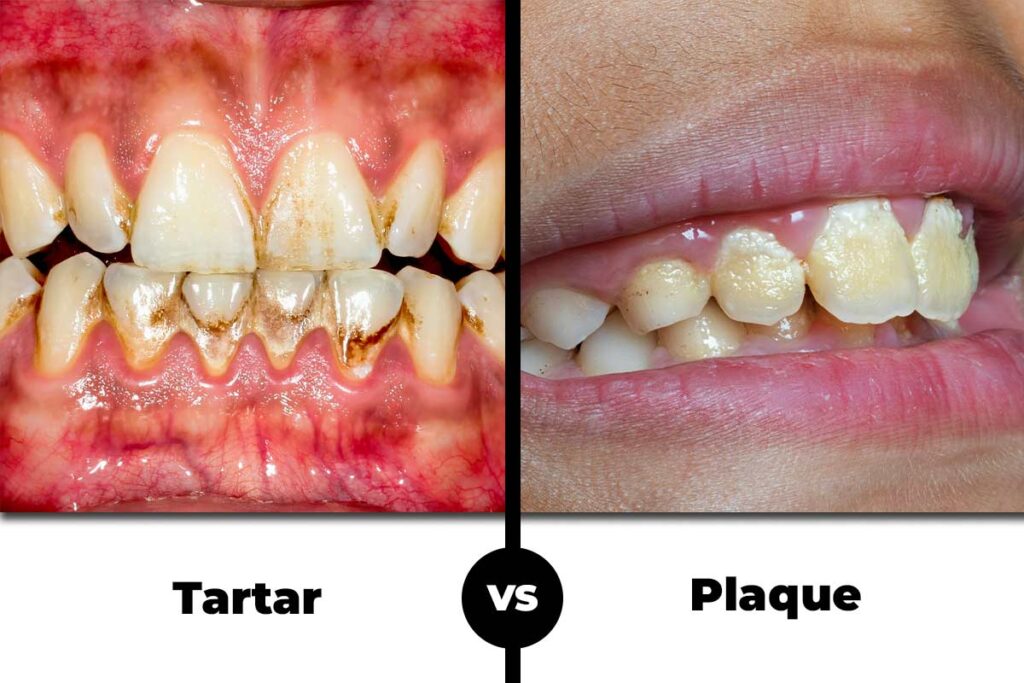
Plaque and Tartar
Over time, plaque can harden into tartar, also called dental calculus. Tartar provides a rough surface where additional plaque can accumulate and usually requires professional removal.
Plaque and Gum Disease
Plaque along the gumline can irritate the gums and contribute to gingivitis. Signs may include red, swollen or bleeding gums. If gum disease progresses, it can affect the tissues and structures that support the teeth.
Plaque and Cavities
The acids produced by bacteria in plaque can weaken tooth enamel. Repeated acid exposure may eventually lead to cavities and tooth decay.
How to Prevent Plaque Buildup on Your Teeth
Although plaque naturally forms in the mouth, a consistent oral hygiene routine can help control it.
Brush Twice a Day
Brush your teeth twice a day for approximately two minutes using fluoride toothpaste. Make sure you clean all tooth surfaces and gently brush along the gumline.
Clean Between Your Teeth
Use dental floss, interdental brushes or another dentist-recommended method to clean between your teeth every day. This helps remove plaque from areas your toothbrush cannot effectively reach.
Maintain a Tooth-Friendly Diet
Limit frequent consumption of sugary foods and drinks. Choose nutritious foods and drink plenty of water to support your oral health.
Schedule Regular Dental Visits
Routine dental check-ups and professional cleans can help identify and manage plaque, tartar and other oral health concerns.
When Should You See a Dentist?
If you have persistent plaque buildup, bleeding gums, swollen gums, bad breath, tooth sensitivity or visible tartar, consider making an appointment with your dentist.
A dental professional can assess your oral health, identify possible causes of plaque accumulation and recommend a personalised cleaning and prevention routine.
Conclusion
There are several causes of plaque buildup on your teeth, including inadequate brushing, not cleaning between your teeth, consuming sugary foods and drinks, dry mouth, tobacco use and missing regular dental appointments. While plaque formation is unavoidable, maintaining good oral hygiene can help prevent excessive buildup and reduce the risk of cavities, tartar and gum disease.
Brushing twice a day with fluoride toothpaste, cleaning between your teeth daily, limiting sugary foods and drinks, staying hydrated and attending regular dental check-ups can all contribute to healthier teeth and gums. If you are experiencing persistent plaque or changes in your gums, speak with your dentist for professional advice.