

How Does Plaque Form on Teeth?
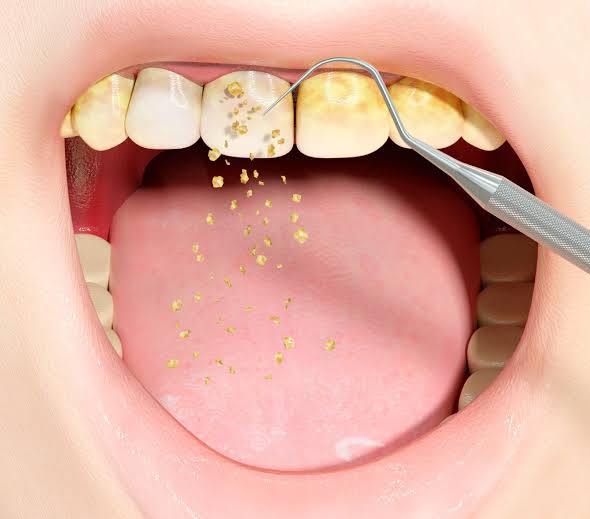
Dental plaque is one of the most common oral health concerns, but many people do not know exactly how it forms. Plaque is a sticky film that develops on teeth when bacteria in the mouth interact with saliva and substances left behind after eating and drinking. Because plaque forms continuously, maintaining a consistent oral hygiene routine is essential for keeping teeth and gums healthy.
If plaque is not removed regularly, it can contribute to tooth decay, cavities, bad breath, gum inflammation and tartar buildup. Understanding how dental plaque forms can make it easier to prevent it and recognise when your oral health may need attention.
What Is Dental Plaque?
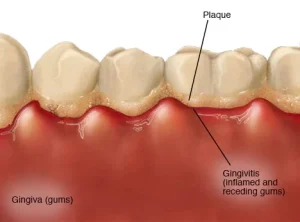
Dental plaque is a soft, sticky layer of bacteria and other substances that develops on the surfaces of your teeth. It can form on the front, back and chewing surfaces of teeth, as well as around the gumline and between teeth.
Plaque is often difficult to see because it can be colourless or pale yellow. However, you may notice a fuzzy or slippery feeling on your teeth, especially if you have not brushed for several hours.
Although plaque is a natural part of the oral environment, allowing it to remain on your teeth for long periods can increase the risk of dental problems.
How Does Plaque Form on Teeth?
Plaque formation is a gradual process that begins shortly after you clean your teeth. Several stages are involved in the development of dental plaque.
1. A Protective Film Forms on the Teeth
Shortly after brushing, proteins and other substances found naturally in saliva begin to coat the surfaces of your teeth. This thin layer is known as the acquired pellicle.
The pellicle itself is not harmful and is a normal part of the mouth. However, it provides a surface where bacteria can attach.
2. Bacteria Attach to the Tooth Surface
The mouth naturally contains hundreds of types of bacteria. Some of these bacteria can attach to the pellicle covering your teeth.
As bacteria accumulate, they begin interacting with one another and with substances in the mouth. This creates the early structure of dental plaque.
3. Food and Drinks Provide Nutrients
When you eat or drink, particles and nutrients can remain in your mouth. Sugars and carbohydrates are particularly important because certain bacteria can use them as an energy source.
Frequent consumption of sugary foods and drinks can give plaque bacteria repeated opportunities to produce acids.
4. Plaque Becomes More Established
As bacteria multiply and more material accumulates, the plaque layer becomes thicker and more organised. Without effective brushing and cleaning between the teeth, plaque can remain attached to tooth surfaces.
The longer plaque stays in place, the more difficult it can become to remove completely.
Why Does Plaque Build Up?
Plaque forms naturally, but certain habits and conditions can encourage excessive buildup.
Poor Brushing Technique
If you brush too quickly or regularly miss certain areas, plaque can remain on your teeth. The gumline, backs of teeth and chewing surfaces can be particularly easy to overlook.
Brushing twice a day for around two minutes can help remove plaque before it accumulates.
Not Cleaning Between Teeth
A toothbrush cannot effectively clean every area between your teeth. Plaque can become trapped in these spaces and along the gumline.
Daily flossing or interdental cleaning can help remove plaque from areas that toothbrush bristles cannot easily reach.
Frequent Sugary Snacks
Eating sugary foods frequently can provide oral bacteria with a regular supply of nutrients. This can encourage acid production and increase the risk of tooth decay.
Reducing the frequency of sugary snacks and choosing water between meals can help support better oral health.
Dry Mouth
Saliva helps wash away food particles and supports the mouth’s natural defences. Reduced saliva flow can allow bacteria and debris to remain in the mouth for longer.
Dry mouth may be associated with dehydration, certain medications or other factors. If you frequently experience dry mouth, discuss it with your dentist or healthcare professional.
What Happens to Plaque If It Is Not Removed?
Plaque that remains on your teeth can cause several oral health problems.
Plaque Can Cause Tooth Decay
Certain bacteria in plaque produce acids when they metabolise sugars and carbohydrates. These acids can repeatedly attack tooth enamel.
Over time, repeated acid exposure can weaken enamel and contribute to cavities and tooth decay.
Plaque Can Cause Gum Inflammation
Plaque along the gumline can irritate the surrounding gum tissue. This can contribute to gingivitis, which may cause red, swollen or bleeding gums.
Treating plaque buildup and improving oral hygiene can help reduce the risk of gum problems.
Plaque Can Harden Into Tartar
If plaque is not adequately removed, it can harden through mineralisation and become tartar, also called dental calculus.
Unlike soft plaque, tartar generally cannot be removed effectively with a toothbrush. Professional dental cleaning may be needed to remove it.
How Quickly Does Plaque Form?
Plaque can begin forming soon after your teeth have been cleaned. Because bacteria are constantly present in the mouth, plaque development is an ongoing process rather than something that happens only once a day.
This is why brushing your teeth once a week or occasionally is not enough to control plaque. Regular daily cleaning is needed to disrupt plaque before it becomes established.
The exact amount of plaque that develops can vary from person to person depending on factors such as oral hygiene habits, diet, saliva flow and individual oral health.
How Can You Prevent Plaque Formation?
You cannot completely stop plaque from forming, but you can remove it regularly and reduce excessive accumulation.
Brush Your Teeth Twice a Day
Brush for approximately two minutes twice a day using fluoride toothpaste. Make sure you clean all surfaces of your teeth and gently brush along the gumline.
Clean Between Your Teeth Every Day
Use dental floss, interdental brushes or another method recommended by your dentist to clean between your teeth. This helps remove plaque from areas that brushing alone may miss.
Limit Sugary Foods and Drinks
Reducing how frequently you consume sugary foods and drinks can help reduce acid production by plaque bacteria. Water is a good choice between meals.
Visit Your Dentist Regularly
Regular dental examinations allow your dentist to monitor your teeth and gums and identify early signs of cavities, gum disease or tartar.
Professional dental cleaning can also remove tartar that cannot be removed through normal brushing and flossing.
How Can You Tell If You Have Plaque?
Plaque can be difficult to see, but you may notice that your teeth feel fuzzy or rough. You might also see a pale yellow film around your gumline or between teeth.
Plaque-disclosing products can make plaque easier to identify by temporarily colouring areas where it has accumulated. These products can be useful for identifying areas that require more thorough brushing.
If your gums bleed regularly when you brush or floss, or you experience persistent bad breath, swelling or tooth sensitivity, arrange a dental examination.
Is Plaque the Same as Tartar?
Plaque and tartar are not the same thing. Plaque is a soft bacterial film that can generally be removed through effective brushing and interdental cleaning.
Tartar is hardened plaque that has become mineralised. Once tartar forms, it typically requires professional removal.
Preventing plaque from remaining on your teeth is therefore an important step in reducing tartar buildup.
When Should You See a Dentist?
You should speak with a dentist if you have persistent plaque buildup, visible tartar, bleeding or swollen gums, ongoing bad breath, tooth pain or sensitivity.
A dental professional can assess your oral health and recommend appropriate treatment and prevention strategies based on your individual needs.
Conclusion
So, how does plaque form on teeth? The process begins when proteins from saliva create a thin film on the tooth surface. Bacteria attach to this film and use nutrients from food and drinks, particularly sugars and carbohydrates. As bacteria multiply and combine with other substances in the mouth, a sticky layer of dental plaque develops.
Because plaque forms continuously, regular oral hygiene is essential. Brushing twice a day with fluoride toothpaste, cleaning between your teeth daily, limiting frequent sugary foods and drinks, and attending regular dental check-ups can help control plaque buildup.
Understanding how dental plaque forms is the first step towards preventing it and maintaining healthier teeth and gums. If you are concerned about plaque, tartar or changes in your gums, a dentist can provide personalised advice and professional care.