


How Often Should You Brush to Minimise Plaque?
Brushing your teeth regularly is one of the simplest and most effective ways to maintain good oral hygiene and minimise plaque. But how often should you brush your teeth, and does brushing more frequently necessarily mean better plaque control?
For most people, brushing twice a day with fluoride toothpaste is an important foundation of a healthy oral hygiene routine. However, how you brush is just as important as how often you brush. Using the right technique, spending enough time brushing and cleaning areas that are easy to miss can all help reduce plaque build-up.
What Is Dental Plaque?
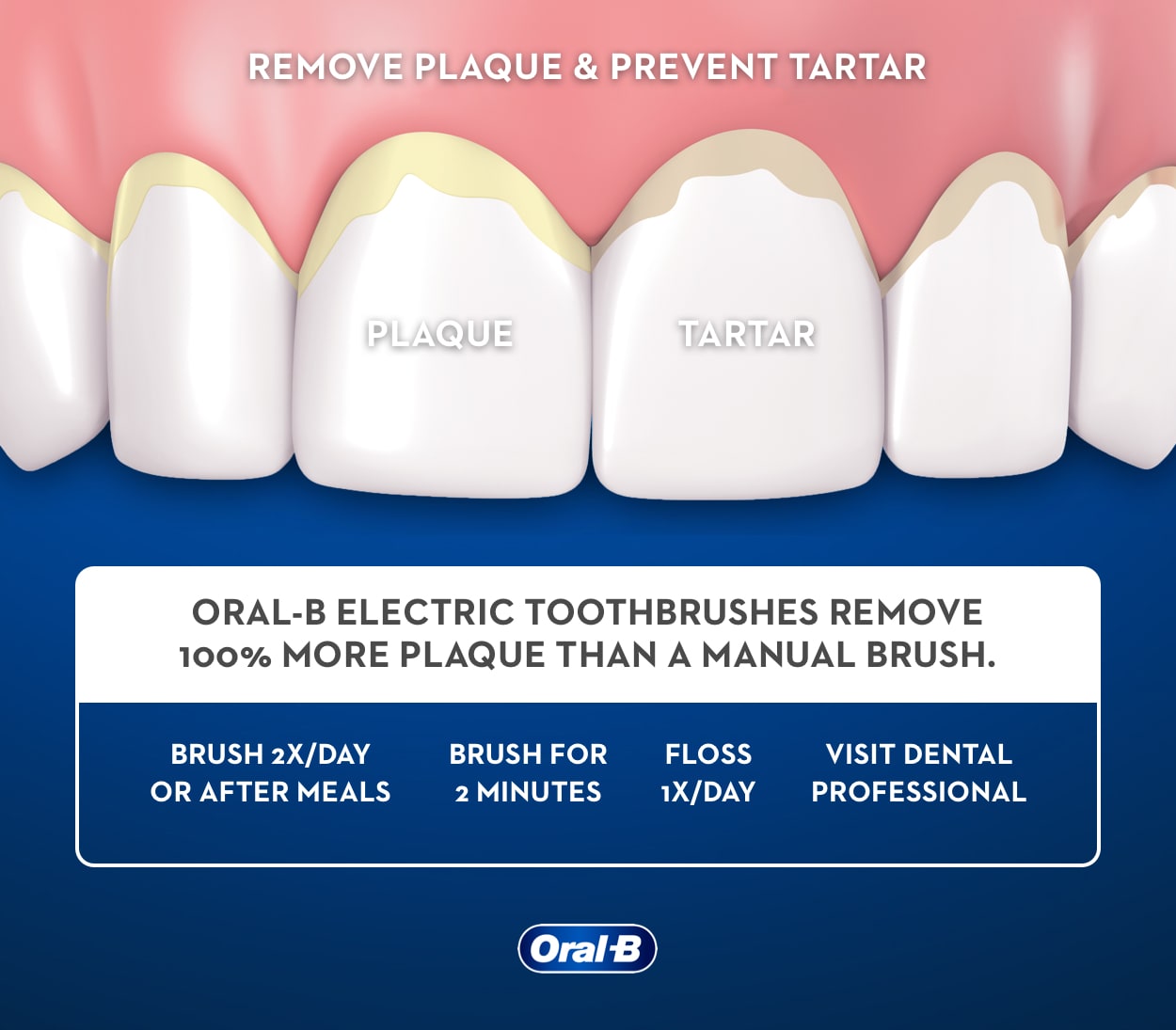
Dental plaque is a sticky film of bacteria that forms naturally on your teeth. It begins to develop soon after eating, drinking and brushing, which means plaque is continually forming throughout the day.
When plaque remains on your teeth, bacteria can interact with sugars and carbohydrates in food and produce acids. These acids can contribute to the weakening of tooth enamel and increase the risk of tooth decay.
Plaque can also accumulate around the gumline. If it is not removed regularly, it can contribute to gum inflammation and other oral health problems.
Because plaque continually reforms, regular brushing is essential for keeping it under control.
How Often Should You Brush Your Teeth?
For most people, brushing twice a day is recommended as part of a good oral hygiene routine. Brushing once in the morning and once before bed helps remove plaque that has accumulated during the day and overnight.
Each brushing session should last around two minutes. This gives you enough time to clean the different surfaces of your teeth thoroughly rather than rushing through the process.
Brushing twice a day does not mean you need to scrub your teeth aggressively. Gentle, consistent brushing with fluoride toothpaste is preferable to brushing forcefully.
Why Morning Brushing Matters
Morning brushing helps remove plaque and bacteria that have accumulated while you sleep. It also helps clean away food particles and freshen your mouth before you begin your day.
If you eat breakfast before brushing, you may prefer to brush afterwards. However, after consuming acidic foods or drinks, it can be helpful to wait before brushing to avoid brushing immediately after an acid exposure.
Why Brushing Before Bed Is Important
Your evening brushing session is particularly important because there are naturally changes in saliva flow while you sleep. Cleaning your teeth before bed helps remove plaque and food debris that would otherwise remain on your teeth for several hours.
Make brushing your teeth before bed a consistent part of your nightly routine.
Does Brushing More Than Twice a Day Reduce More Plaque?
Brushing more frequently is not necessarily better. The goal is to remove plaque effectively without damaging your teeth or irritating your gums.
Brushing too aggressively or too frequently with excessive pressure may contribute to gum irritation or tooth wear. Instead of focusing solely on brushing more often, concentrate on using a thorough and gentle technique twice a day.
If you have specific oral health needs, your dentist may recommend a different brushing schedule.
How Long Should You Brush Your Teeth?
Aim to brush your teeth for approximately two minutes each time. This allows enough time to clean all accessible tooth surfaces.
Divide Your Mouth Into Sections
A simple way to make sure you spend enough time brushing is to divide your mouth into four sections. Spend approximately 30 seconds on each section, cleaning the outer, inner and chewing surfaces of the teeth.
Some electric toothbrushes include built-in timers that can help you brush for the recommended amount of time.
How to Brush Effectively for Less Plaque
Brushing twice a day is only effective when you use an appropriate technique.
Use a Soft-Bristled Toothbrush
A soft-bristled toothbrush can clean plaque effectively while being gentle on the gums and enamel. Hard bristles and excessive pressure are not necessary for effective plaque removal.
Replace your toothbrush or toothbrush head when the bristles become worn or damaged.
Angle the Brush Towards the Gumline
Position the toothbrush at approximately a 45-degree angle towards the gumline. This helps the bristles reach areas where plaque commonly accumulates.
Use small, gentle movements rather than aggressive back-and-forth scrubbing.
Clean Every Surface
Make sure you brush the outer, inner and chewing surfaces of your teeth. Pay particular attention to the back teeth, which can be more difficult to reach.
It is easy to focus on the front teeth and overlook areas further towards the back of the mouth, so take a systematic approach.
Why Fluoride Toothpaste Matters
Using fluoride toothpaste is an important part of a twice-daily brushing routine. Fluoride helps strengthen tooth enamel and supports protection against tooth decay.
After brushing, spit out the excess toothpaste rather than immediately rinsing your mouth extensively with water. This can help leave fluoride in contact with your teeth for longer.
Is Brushing Enough to Remove Plaque?
Although brushing is essential for plaque control, it cannot effectively reach every area of the mouth. In particular, the spaces between teeth can be difficult to clean with a toothbrush.
Clean Between Your Teeth Daily
Use dental floss, interdental brushes or another suitable interdental cleaning method to remove plaque from between your teeth.
Cleaning between your teeth once a day complements brushing and helps target areas that toothbrush bristles may not reach effectively.
Don’t Forget Your Gumline
Plaque can accumulate where the teeth meet the gums. Gentle brushing along the gumline is therefore an important part of your daily routine.
If your gums regularly bleed, swell or feel painful, speak with a dental professional for advice.
What Happens If You Don’t Brush Regularly?
Skipping brushing allows plaque to remain on your teeth for longer. Over time, accumulated plaque can contribute to tooth decay and gum problems.
Plaque can also harden into tartar, also called calculus. Unlike soft plaque, hardened tartar generally cannot be removed effectively with a toothbrush and requires professional dental cleaning.
Regular brushing helps disrupt plaque before it has an opportunity to accumulate and harden.
Can You Brush After Every Meal?
Some people may choose to brush after meals, but brushing immediately after consuming acidic foods or drinks is generally not advisable. Acid can temporarily soften enamel, and brushing immediately afterwards may contribute to enamel wear.
Instead, consider rinsing your mouth with water after eating or drinking and wait before brushing when appropriate.
If you are unsure about the best routine for your specific diet or oral health needs, ask your dentist for personalised guidance.
A Simple Daily Routine for Minimising Plaque
A consistent oral hygiene routine can make plaque control easier. A typical routine could include:
Morning: Brush for approximately two minutes using fluoride toothpaste.
During the day: Drink water regularly and be mindful of frequent sugary snacks and drinks.
Between teeth: Clean between your teeth at least once a day using floss or another suitable interdental cleaner.
Evening: Brush thoroughly for approximately two minutes before going to bed.
Regularly: Attend dental examinations and professional cleaning when recommended.
When Should You See a Dentist?
Regular dental appointments are an important part of maintaining good oral health. Your dentist can check for signs of tooth decay, gum problems and other conditions that may not be obvious at home.
Speak with a dental professional if you notice persistent bleeding, swollen gums, tooth pain, sensitivity, persistent bad breath or other changes in your mouth.
Your dentist can also provide personalised advice about how often you should brush and which brushing or interdental cleaning techniques are most appropriate for you.
The Key to Keeping Plaque Under Control
So, how often should you brush to minimise plaque? For most people, brushing twice a day for approximately two minutes is an important foundation for effective plaque control.
However, frequency is only one part of the equation. Using fluoride toothpaste, choosing a soft-bristled toothbrush, applying gentle pressure and cleaning every tooth surface can make your brushing routine more effective.
Remember that brushing should be combined with daily interdental cleaning and regular dental care. By making these habits part of your everyday routine, you can help minimise plaque build-up and support healthier teeth and gums over the long term.