

The Best Habits for Preventing Plaque Build-Up
Dental plaque is a normal part of everyday life, but allowing it to build up can increase the risk of tooth decay, gum problems and tartar. The good news is that simple, consistent oral hygiene habits can help prevent plaque build-up and keep your teeth and gums healthier.
Plaque is a sticky film containing bacteria that forms on your teeth throughout the day. It can develop even when your mouth feels clean, which is why daily plaque removal is essential. Establishing effective habits around brushing, interdental cleaning, diet and dental care can make it easier to keep plaque under control.
What Is Dental Plaque?
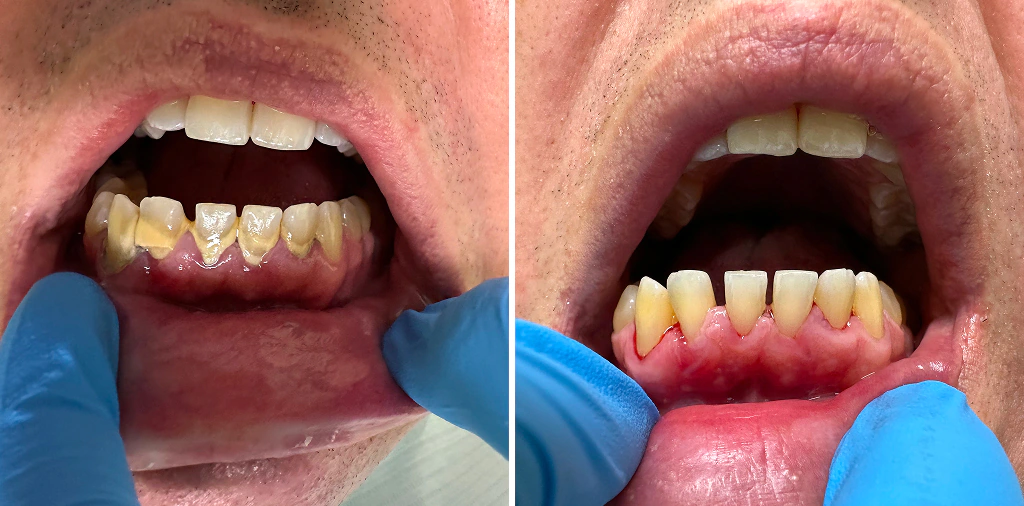
Dental plaque is a soft, sticky layer that develops on the surfaces of your teeth. It contains bacteria, saliva and particles from food and drink.
When plaque remains on the teeth, bacteria can interact with sugars and carbohydrates and produce acids. These acids can contribute to tooth enamel damage and increase the risk of cavities.
Plaque can also accumulate along the gumline. If it is not removed regularly, it may contribute to gum inflammation. Over time, plaque can harden into tartar, which generally requires professional cleaning to remove.
For these reasons, preventing excessive plaque build-up is an important part of maintaining good oral health.
1. Brush Your Teeth Twice a Day
One of the most important habits for preventing plaque build-up is brushing your teeth twice a day.
Use a fluoride toothpaste and spend approximately two minutes brushing each time. Brush once in the morning and again before bed to help remove plaque and food debris.
Use the Right Brushing Technique
Hold your toothbrush at approximately a 45-degree angle towards the gumline and use gentle, controlled movements. Clean the outer, inner and chewing surfaces of every tooth.
Avoid aggressive scrubbing. Applying excessive pressure does not necessarily remove more plaque and may irritate the gums or contribute to tooth wear.
Choose a Soft-Bristled Toothbrush
A soft-bristled toothbrush can effectively clean plaque while being gentler on your teeth and gums. Replace your toothbrush or toothbrush head when the bristles become worn or damaged.
2. Clean Between Your Teeth Every Day
Brushing cannot effectively reach every area between your teeth. Plaque can accumulate in these narrow spaces, making interdental cleaning an essential part of plaque prevention.
Use Dental Floss or Interdental Brushes
Dental floss can be used to clean between closely spaced teeth, while interdental brushes can be useful where there are larger spaces.
The most suitable method depends on your teeth and individual oral health needs. If you are unsure which product to use, ask your dentist or dental hygienist for advice.
3. Use Fluoride Toothpaste
Fluoride toothpaste plays an important role in a good oral hygiene routine. Fluoride helps strengthen tooth enamel and provides protection against tooth decay.
When brushing, use an appropriate amount of fluoride toothpaste and make sure you clean all accessible tooth surfaces.
After brushing, spit out the excess toothpaste rather than rinsing extensively with water. This can help maintain fluoride contact with your teeth.
4. Be Mindful of Sugary Foods and Drinks
Your diet can influence the conditions that allow plaque bacteria to produce acids. Frequent consumption of sugary foods and drinks can increase the amount of sugar available to bacteria in plaque.
Reduce Frequent Snacking
Rather than constantly snacking throughout the day, consider limiting the frequency of sugary foods and drinks. This can reduce how often your teeth are exposed to the acids produced when bacteria process sugars.
Choose balanced meals and tooth-friendly snacks where possible.
Choose Water More Often
Water can help wash away food particles and keep your mouth hydrated. Choosing water instead of frequently consuming sugary drinks can be a useful habit for supporting oral health.
5. Drink Water Throughout the Day
Staying hydrated is another simple habit that can support your oral hygiene routine. Saliva plays an important role in maintaining the mouth’s natural environment and helping clear food particles.
Drinking water throughout the day can help rinse your mouth after meals and snacks. It is particularly useful when brushing is not immediately practical.
6. Consider Sugar-Free Gum After Meals
Chewing sugar-free gum after meals can stimulate saliva production. Increased saliva flow can help wash away food particles and neutralise acids in the mouth.
Sugar-free gum should not replace brushing or interdental cleaning, but it can be a convenient addition to your oral hygiene routine when you are away from home.
7. Don’t Ignore Your Gumline
The gumline is an important area to target when trying to prevent plaque build-up. Plaque can collect where teeth and gums meet, making this area particularly important during brushing.
Brush Gently Along the Gumline
Angle your toothbrush towards the gumline and use small, gentle movements. Avoid pressing the bristles forcefully into your gums.
If your gums regularly bleed during brushing or interdental cleaning, speak with your dentist. Persistent bleeding can have several causes and should be assessed rather than ignored.
8. Clean Your Tongue
Bacteria can accumulate on the surface of your tongue. Gently brushing your tongue as part of your daily oral hygiene routine can help remove bacteria and may also contribute to fresher breath.
You can use your regular toothbrush or a tongue-cleaning tool. Avoid excessive pressure, as the tongue is sensitive and does not require vigorous scrubbing.
9. Replace Your Toothbrush Regularly
Toothbrush bristles can become worn over time, particularly if you brush with excessive pressure. A worn toothbrush may not clean as effectively as one with intact bristles.
Inspect your toothbrush regularly and replace it when the bristles become frayed, damaged or noticeably worn. If you use an electric toothbrush, replace the brush head according to the manufacturer’s recommendations.
10. Avoid Brushing Too Hard
It may seem logical that harder brushing would remove more plaque, but this is not the case. Effective plaque removal depends on good technique rather than excessive force.
Use gentle movements and allow the bristles to clean the tooth surfaces. If you regularly notice discomfort or sensitivity while brushing, discuss your technique with your dentist.
11. Make Your Evening Routine a Priority
Brushing before bed is an especially important part of daily plaque control. It removes plaque and food debris accumulated throughout the day before you spend several hours sleeping.
A simple nighttime routine can include cleaning between your teeth, brushing for two minutes with fluoride toothpaste and gently cleaning your tongue.
Making this routine consistent can help turn good oral hygiene into an automatic daily habit.
12. Visit Your Dentist Regularly
Even an effective home oral hygiene routine cannot remove every hardened deposit. Plaque can eventually mineralise into tartar, which generally requires professional dental cleaning.
Regular dental appointments allow your dentist to examine your teeth and gums, identify potential problems and provide personalised advice.
Professional Cleaning and Plaque Control
A dental professional can remove tartar and other deposits that cannot be effectively removed with a toothbrush or floss.
Your dentist or dental hygienist can also demonstrate brushing and interdental cleaning techniques and recommend products based on your individual needs.
Common Habits That Can Increase Plaque Build-Up
Some everyday behaviours can make plaque control more difficult. These may include frequently consuming sugary drinks, regularly snacking throughout the day, skipping brushing, neglecting the spaces between teeth and using an overly aggressive brushing technique.
Identifying habits that may be affecting your oral hygiene is an important first step towards improving your routine.
A Simple Daily Routine for Plaque Prevention
Keeping plaque under control does not have to be complicated. A simple daily routine could include:
Morning: Brush your teeth for two minutes with fluoride toothpaste.
During the day: Drink water regularly and limit frequent sugary snacks and drinks.
After meals: Rinse with water or consider sugar-free gum when brushing is not practical.
Evening: Clean between your teeth and brush thoroughly before bed.
Regularly: Attend dental examinations and professional cleaning when recommended.
When Should You See a Dentist?
Speak with your dentist if you experience persistent bleeding or swollen gums, tooth pain, sensitivity, persistent bad breath or other changes in your mouth.
Professional advice is particularly important if you find that plaque builds up quickly despite following a regular oral hygiene routine.
Your dentist can assess your teeth and gums and recommend changes to your brushing, flossing or diet habits where appropriate.
The Key to Preventing Plaque Build-Up
Preventing plaque build-up is largely about consistency. Brushing twice a day, cleaning between your teeth, using fluoride toothpaste, drinking water and making sensible dietary choices can all contribute to better plaque control.
Remember that good oral hygiene is not about brushing harder or following a complicated routine. Small habits performed consistently can make a significant difference to your everyday oral health.
By making plaque prevention part of your daily routine and maintaining regular dental appointments, you can help protect your teeth and gums and support good oral health for years to come.