


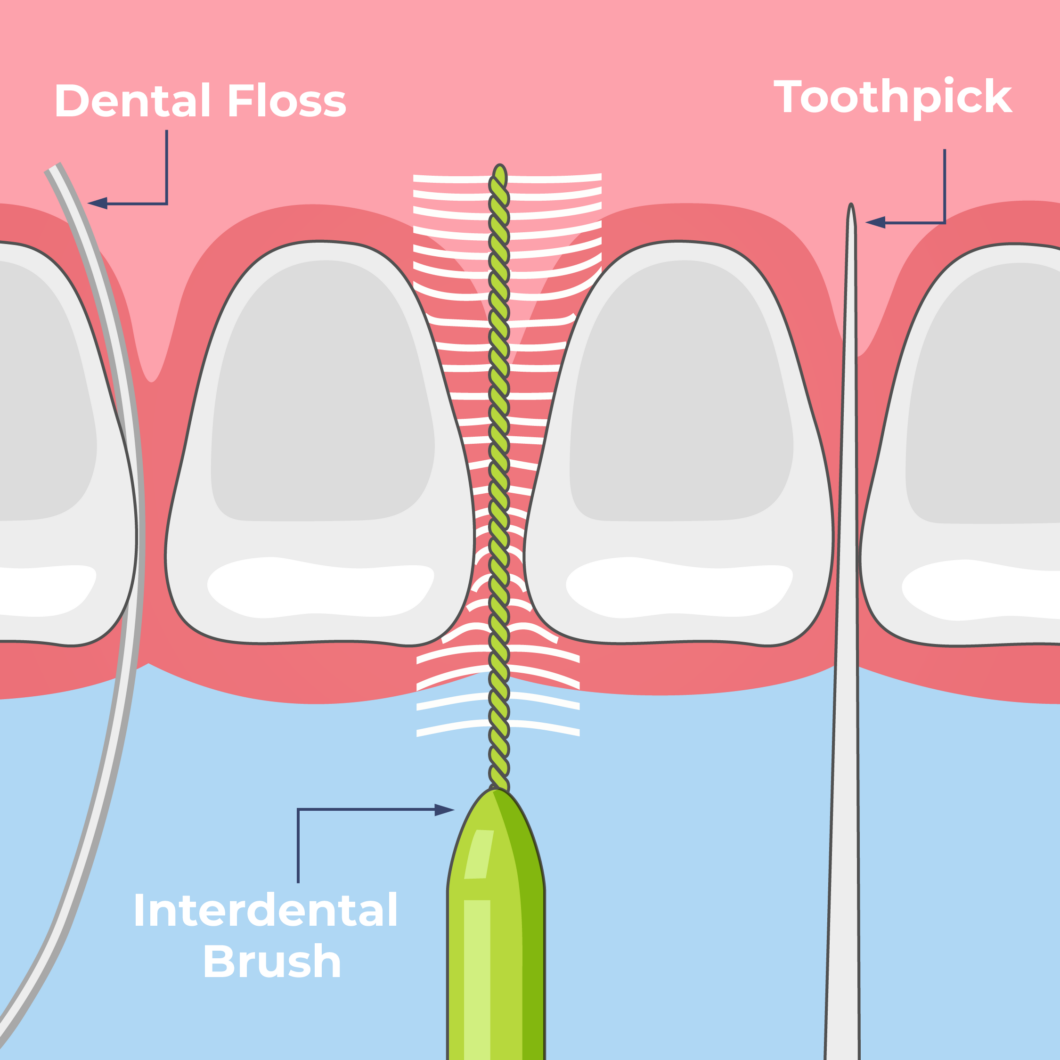
Flossing and Plaque: How Interdental Cleaning Helps
Flossing is an important part of a complete oral hygiene routine, particularly when it comes to managing dental plaque. While brushing your teeth twice a day helps clean many tooth surfaces, a toothbrush cannot effectively reach every area between the teeth. This is where interdental cleaning can make a difference.
Dental plaque is a sticky film containing bacteria that naturally forms on teeth. If plaque is not removed regularly, it can contribute to tooth decay, gum inflammation and tartar build-up. Adding flossing or another suitable interdental cleaning method to your daily routine can help remove plaque from areas that brushing alone may miss.
What Is Dental Plaque?
Dental plaque is a soft, sticky layer that develops on the surfaces of your teeth throughout the day. It contains bacteria, saliva and particles from food and drink.
Plaque is constantly forming, so regular removal is essential. When plaque remains on the teeth, bacteria can interact with sugars and carbohydrates in the mouth and produce acids that can contribute to tooth decay.
Plaque can also accumulate around the gumline and between teeth. If it is not removed effectively, it may contribute to gum irritation and inflammation.
Why Does Plaque Build Up Between Teeth?
The spaces between teeth can be difficult to clean because toothbrush bristles cannot always reach them effectively. Food particles and plaque can become trapped in these areas, particularly where teeth are closely positioned together.
Although you may not be able to see plaque between your teeth, it can still be present. This is why cleaning between your teeth is an important complement to regular brushing.
Brushing Cannot Reach Every Surface
A toothbrush is designed to clean the accessible surfaces of your teeth, including the front, back and chewing surfaces. However, the contact areas between neighbouring teeth can remain difficult to reach.
Interdental cleaning helps target these areas, making it easier to remove plaque and debris from places that brushing alone may miss.
How Does Flossing Help Remove Plaque?
Dental floss is designed to slide between teeth and along the sides of the teeth. When used correctly, it can help physically remove plaque and food particles from these narrow spaces.
Cleaning Along the Tooth Surface
Effective flossing involves gently guiding the floss between the teeth and curving it around the side of each tooth. Moving the floss carefully up and down helps clean the tooth surface rather than simply passing the floss through the contact point.
It is important to clean both sides of each space between the teeth.
Cleaning Near the Gumline
Plaque can collect close to where the teeth meet the gums. Carefully guiding floss towards the gumline can help clean this area.
Floss should be moved gently rather than forced into the gums. Using excessive force can cause discomfort or irritation.
How Often Should You Floss?
For most people, cleaning between the teeth once a day is an important part of maintaining good oral hygiene. Choose a time that fits naturally into your daily routine so that interdental cleaning becomes a consistent habit.
Some people prefer to floss before brushing, while others find it easier to floss at another time of day. The most important consideration is cleaning between your teeth regularly and using a technique that works for you.
How to Floss Your Teeth Correctly
Learning the correct flossing technique can make interdental cleaning more comfortable and effective.
Step 1: Use Enough Floss
Take a suitable length of dental floss and wrap most of it around the middle fingers of both hands. Leave enough floss between your hands to comfortably work through each space.
Step 2: Guide the Floss Gently
Hold the floss securely between your fingers and gently guide it between two teeth. Avoid snapping or forcing the floss into the gums.
Step 3: Curve the Floss Around the Tooth
Once the floss reaches the gumline, curve it around one tooth so that it forms a gentle C-shape. Move it carefully along the side of the tooth.
Step 4: Clean Both Sides
Repeat the process against the neighbouring tooth before removing the floss. Continue this process throughout your mouth, using a clean section of floss as needed.
What If Traditional Flossing Is Difficult?
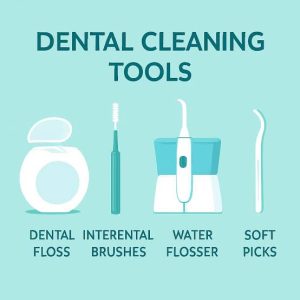
Traditional dental floss is not the only option for cleaning between teeth. Some people find other interdental cleaning methods easier to use.
Interdental Brushes
Interdental brushes are small brushes designed to fit between teeth. They are available in different sizes and can be particularly useful where there are larger spaces between teeth.
The correct size is important. A dental professional can help you determine which size or sizes are appropriate for your mouth.
Water Flossers
Water flossers use a stream of water to clean around and between teeth. They may be useful for people who find conventional floss difficult to handle.
However, different interdental cleaning methods suit different people. Your dentist or dental hygienist can recommend an appropriate option based on your individual needs.
Does Flossing Help Prevent Gum Problems?
Regular plaque removal is an important part of maintaining healthy gums. Plaque that remains around the gumline can contribute to inflammation, which may cause symptoms such as redness, swelling or bleeding.
Cleaning between your teeth helps target plaque in areas that brushing may not reach. Alongside brushing with fluoride toothpaste, interdental cleaning can form an important part of a comprehensive oral hygiene routine.
If your gums frequently bleed when you floss or brush, do not simply stop cleaning the area. Speak with your dentist or dental hygienist so they can determine the possible cause and provide appropriate advice.
Flossing and Tartar: What’s the Difference?
Flossing can help remove soft plaque before it has a chance to harden. Once plaque mineralises and becomes tartar, also known as calculus, it generally cannot be removed effectively with a toothbrush or dental floss.
Professional dental cleaning may be required to remove hardened deposits.
This is one reason consistent plaque removal is important. Regular brushing and interdental cleaning can help reduce the amount of plaque that remains on your teeth between dental visits.
Common Flossing Mistakes to Avoid
Flossing Too Aggressively
More pressure does not mean better cleaning. Gentle movements are preferable to forcing floss against the gums.
Only Cleaning Between the Teeth When Food Is Stuck
Interdental cleaning is not just about removing visible food. Plaque can accumulate between teeth even when you cannot see it.
Skipping the Back Teeth
The back teeth can be difficult to reach, but they still require interdental cleaning. Make sure you work methodically through your entire mouth.
Using the Same Section of Floss Repeatedly
When using traditional floss, move to a clean section as you progress around your mouth. This helps avoid simply moving debris from one area to another.
Should You Floss Before or After Brushing?
There is more than one way to organise your oral hygiene routine. Some people prefer to floss before brushing because it can loosen plaque and food particles before brushing.
Others prefer to brush first and floss afterwards. The most important factor is that you clean between your teeth consistently rather than skipping interdental cleaning altogether.
Choose a routine that is easy to remember and maintain every day.
How to Add Flossing to Your Daily Oral Hygiene Routine
Making interdental cleaning part of an established routine can make it easier to maintain. For example, you could clean between your teeth before your evening brushing session.
A simple daily routine could include brushing twice a day with fluoride toothpaste, cleaning between your teeth once a day and drinking water regularly throughout the day.
Regular dental appointments can complement your home oral hygiene routine by allowing your dentist to monitor your teeth and gums and remove hardened deposits when necessary.
When Should You Speak to a Dentist?
Speak with a dental professional if you experience persistent bleeding gums, swelling, pain, bad breath, tooth sensitivity or other changes in your mouth.
Your dentist or dental hygienist can assess your oral health and show you how to use floss, interdental brushes or other cleaning tools correctly.
The Importance of Interdental Cleaning for Plaque Control
Flossing and other forms of interdental cleaning can play an important role in keeping plaque under control. While brushing cleans many of the accessible surfaces of your teeth, cleaning between your teeth helps target areas that a toothbrush may not reach effectively.
The key is consistency. By cleaning between your teeth every day, brushing twice daily with fluoride toothpaste and attending regular dental appointments, you can build a comprehensive oral hygiene routine that supports healthy teeth and gums.
Whether you choose traditional dental floss, interdental brushes or another suitable method, the best option is one you can use correctly and consistently as part of your everyday plaque-control routine.