

How to Brush Your Teeth Effectively for Less Plaque
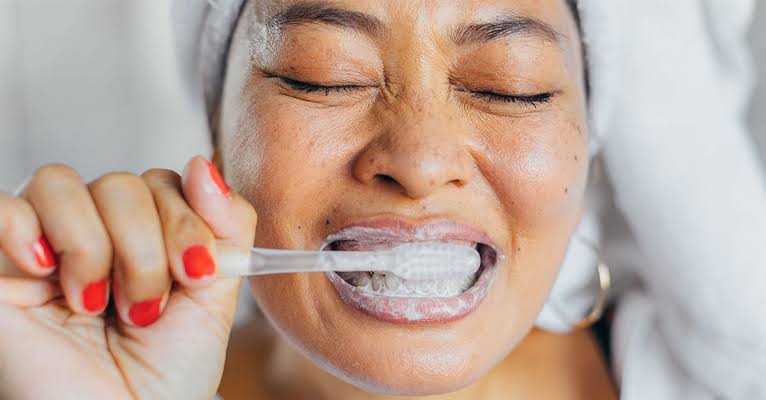
Brushing your teeth is one of the most important parts of a good oral hygiene routine. However, simply brushing twice a day does not always mean you are removing plaque effectively. Using the right brushing technique, toothbrush and toothpaste can make a significant difference when it comes to keeping plaque under control and protecting your teeth and gums.
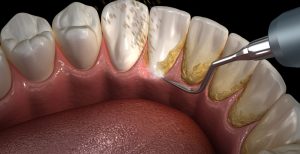
Dental plaque is a sticky layer of bacteria that forms naturally on your teeth throughout the day. If plaque is not removed regularly, it can contribute to tooth decay, gum inflammation and eventually tartar build-up. Learning how to brush your teeth effectively can help remove plaque from the surfaces of your teeth and along the gumline.
Why Is Effective Brushing Important for Plaque Control?
Plaque constantly forms on the teeth as bacteria interact with food and saliva. Although plaque is normal, allowing it to remain on your teeth for extended periods can increase the risk of oral health problems.
Effective tooth brushing helps physically remove plaque and food particles from the surfaces of your teeth. It is particularly important to clean areas where plaque commonly collects, including the gumline, back teeth and chewing surfaces.
Brushing is also an important way to deliver fluoride from toothpaste to your teeth. Fluoride helps strengthen tooth enamel and protect against tooth decay.
How Often Should You Brush Your Teeth?
For most people, brushing twice a day is an important foundation of good oral hygiene. Brush once in the morning and again before going to bed.
Each brushing session should take approximately two minutes. Spending enough time brushing gives you an opportunity to clean all areas of your mouth rather than focusing only on the teeth that are easiest to reach.
Brushing more frequently or applying more pressure is not necessarily better. The goal is thorough, gentle cleaning rather than aggressive brushing.
Choose the Right Toothbrush
The toothbrush you use can affect how effectively you remove plaque.
Use a Soft-Bristled Toothbrush
A soft-bristled toothbrush is generally a good choice for cleaning teeth and along the gumline. Hard bristles and excessive pressure can irritate the gums and contribute to tooth wear.
Look for a toothbrush with a comfortable handle and a head that allows you to reach the back teeth easily.
Consider an Electric Toothbrush
An electric toothbrush can be a useful option for people who find it difficult to maintain a consistent brushing technique with a manual toothbrush. Some electric toothbrushes also include features such as timers or pressure sensors.
However, the most important factor is using your toothbrush correctly and consistently, whether you choose a manual or electric model.
Use Fluoride Toothpaste
Fluoride toothpaste is an important part of an effective brushing routine. Fluoride helps strengthen tooth enamel and can help protect teeth from decay.
Use an appropriate amount of fluoride toothpaste and brush all tooth surfaces carefully. After brushing, spit out the excess toothpaste rather than extensively rinsing your mouth with water. This helps leave fluoride in contact with your teeth for longer.
How to Brush Your Teeth Effectively
Using the correct brushing technique can help you remove more plaque while being gentle on your teeth and gums.
Step 1: Position Your Toothbrush
Hold your toothbrush at approximately a 45-degree angle towards the gumline. This position allows the bristles to reach the area where the teeth and gums meet, which is a common location for plaque accumulation.
Step 2: Use Gentle, Small Movements
Move the toothbrush gently back and forth using small movements. Avoid scrubbing aggressively across the teeth.
Apply enough pressure to clean the teeth without pressing so hard that the bristles become flattened. Gentle brushing can help protect your gums while still effectively removing plaque.
Step 3: Clean Every Surface
Make sure you clean the outer, inner and chewing surfaces of every tooth.
It can be easy to focus on the front teeth while overlooking the back teeth. Work methodically around your mouth so that each section receives similar attention.
Step 4: Pay Attention to the Gumline
The gumline is one of the most important areas to clean when trying to reduce plaque. Gently angle the bristles towards the gumline and use controlled movements.
If your gums regularly bleed during brushing, speak with your dentist rather than simply avoiding the area.
Step 5: Brush Your Tongue
Bacteria can accumulate on the surface of the tongue. Gently brushing your tongue can help remove bacteria and contribute to fresher breath.
How Long Should You Brush Your Teeth?
Aim to brush your teeth for around two minutes each time. A simple way to achieve this is to divide your mouth into four sections and spend approximately 30 seconds on each.
Some electric toothbrushes have built-in timers that can help you keep track of brushing time. If you use a manual toothbrush, consider using a timer on your phone or another suitable timer until two minutes becomes a natural habit.
Don’t Forget Between Your Teeth
Even effective brushing cannot clean every area between your teeth. Plaque can accumulate in these spaces, which is why interdental cleaning should complement your brushing routine.
Use Dental Floss or Interdental Cleaners
Clean between your teeth at least once a day using dental floss, interdental brushes or another appropriate interdental cleaning method.
If you are unsure which method is best for you, ask your dentist or dental hygienist for personalised advice.
Common Tooth-Brushing Mistakes to Avoid
Brushing Too Hard
Using excessive pressure does not necessarily remove more plaque. It may instead irritate your gums or contribute to tooth wear. Use gentle movements and let the toothbrush do the work.
Brushing Too Quickly
A rushed brushing session may leave areas of your mouth uncleaned. Aim for approximately two minutes every time you brush.
Ignoring the Back Teeth
The molars at the back of your mouth can be harder to reach, but they still need thorough cleaning. Make sure you brush their outer, inner and chewing surfaces.
Using a Worn Toothbrush
Replace your toothbrush or toothbrush head when the bristles become worn or damaged. A toothbrush with splayed bristles may not clean as effectively as a new one.
Can Brushing Remove All Plaque?
Brushing is highly important for plaque control, but it cannot reach every area of the mouth. Plaque can accumulate between teeth and in other difficult-to-reach areas.
For this reason, an effective oral hygiene routine should combine tooth brushing with daily interdental cleaning. Regular dental examinations can also help identify areas where plaque or tartar may be accumulating.
Tips for Better Plaque Removal When Brushing
To make your brushing routine more effective, remember these simple tips:
Brush twice a day for approximately two minutes.
Use a soft-bristled toothbrush.
Choose fluoride toothpaste.
Hold the toothbrush at an angle towards the gumline.
Use gentle, controlled movements rather than aggressive scrubbing.
Clean the outer, inner and chewing surfaces of every tooth.
Pay particular attention to the gumline and back teeth.
Clean your tongue gently.
Clean between your teeth every day.
Replace your toothbrush or toothbrush head when the bristles become worn.
Visit your dentist regularly for professional advice and examinations.
When Should You See a Dentist?
Good brushing habits can help maintain oral health, but professional dental care is also important. Speak with your dentist if you experience persistent bleeding gums, swelling, pain, bad breath, tooth sensitivity or other changes in your mouth.
A dental professional can assess your teeth and gums, identify areas where plaque may be accumulating and provide personalised advice about your brushing and interdental cleaning technique.
Make Effective Brushing Part of Your Daily Routine
Learning how to brush your teeth effectively does not require a complicated routine. The key is to brush consistently, use a gentle technique and make sure you clean every surface of your teeth and along the gumline.
Brushing twice a day with fluoride toothpaste, combined with daily interdental cleaning and regular dental care, can help minimise plaque and support healthier teeth and gums.
Rather than brushing harder, focus on brushing more thoroughly and consistently. With the right technique and a little patience, effective brushing can become a simple everyday habit that supports your long-term oral health.