


Dentures 101: Types, Costs, and What to Expect
Dentures are a common and effective solution for replacing missing teeth and restoring both the function and appearance of your smile. Millions of people rely on dentures to improve their ability to eat, speak, and feel confident in everyday life. Thanks to modern dental technology, dentures today are more comfortable, natural-looking, and durable than ever before.
If you are considering dentures, it is important to understand the different types available, the costs involved, and what the treatment process looks like. This guide will walk you through everything you need to know so you can make an informed decision about your oral health.
What Are Dentures?
Dentures are removable dental appliances designed to replace missing teeth and surrounding tissues. They are custom-made to fit comfortably in your mouth and restore both the functionality and aesthetics of your smile.
Dentures can replace a few missing teeth or an entire set, depending on your dental needs. They are typically made from durable materials such as acrylic resin, nylon, or metal frameworks that support artificial teeth designed to look like natural ones.
Modern dentures are designed with precision to provide a comfortable fit and natural appearance.
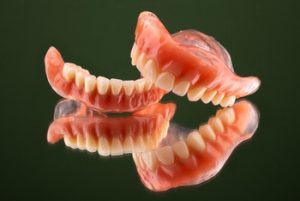
Why People Need Dentures
There are several reasons why people may need dentures. Tooth loss can occur due to various dental and health issues, including:
Advanced gum disease (periodontitis)
Injury or trauma to the mouth
Age-related tooth loss
Genetic dental conditions
Missing teeth can affect your ability to chew properly, speak clearly, and maintain facial structure. Dentures help restore these functions and prevent further oral health complications.
Types of Dentures
Understanding the different types of dentures can help you choose the best option for your needs and lifestyle.
Complete Dentures
Complete dentures are used when all teeth in the upper jaw, lower jaw, or both are missing. These dentures sit directly on the gums and are designed to replicate a full set of natural teeth.
There are two types of complete dentures:
Conventional dentures: Placed after all teeth have been removed and the gums have fully healed.
Immediate dentures: Placed immediately after tooth extraction so patients do not have to go without teeth during the healing period.
Complete dentures restore facial support and allow patients to chew and speak more effectively.
Partial Dentures
Partial dentures are used when some natural teeth remain. These dentures consist of replacement teeth attached to a metal or flexible base that connects to your existing teeth.
Partial dentures help fill the gaps left by missing teeth while preventing surrounding teeth from shifting out of position.
They are a popular option for patients who do not require a full set of dentures.
Implant-Supported Dentures
Implant-supported dentures are anchored to dental implants that are surgically placed into the jawbone. These implants act as artificial tooth roots and provide a secure foundation for the denture.
Compared to traditional dentures, implant-supported dentures offer:
Improved stability
Better chewing ability
Reduced slipping or movement
Although they are more expensive, many patients prefer this option because it closely mimics the function of natural teeth.
How Much Do Dentures Cost?
The cost of dentures varies widely depending on the type of denture, materials used, and the complexity of the treatment.
Below are general cost ranges:
Basic dentures: $600 – $1,500 per arch
Mid-range dentures: $1,500 – $3,000 per arch
Premium dentures: $3,000 – $5,000 per arch
Implant-supported dentures: $4,000 – $15,000 or more
Additional costs may include tooth extractions, dental implants, X-rays, and follow-up adjustments.
Many dental insurance plans cover a portion of denture costs. Dental clinics may also offer financing options or payment plans to make treatment more affordable.
The Denture Process: What to Expect
Getting dentures typically involves several steps. Understanding the process can help reduce anxiety and prepare you for treatment.
Initial Consultation
Your dentist will examine your teeth, gums, and jawbone. X-rays or digital scans may be taken to evaluate your oral health and determine the best treatment plan.
During this visit, your dentist will also discuss your goals, budget, and denture options.
Tooth Extractions (If Needed)
If damaged or decayed teeth need to be removed, extractions may be performed before the denture fitting process begins.
Healing time may vary depending on the number of teeth removed.
Impressions and Measurements
Your dentist will take detailed impressions of your mouth. These impressions are used to create a custom denture that fits comfortably and aligns properly with your bite.
Accurate measurements ensure the dentures look natural and function effectively.
Trial Dentures
Before the final dentures are made, a trial version may be placed in your mouth. This allows adjustments to be made to the shape, size, and alignment of the teeth.
This step ensures the final dentures meet your expectations.
Final Denture Fitting
Once the dentures are completed, they will be fitted and adjusted in your mouth. Your dentist will check for comfort, stability, and proper bite alignment.
Some minor adjustments may be needed during the first few weeks.
Adjusting to Life with Dentures
It takes time to adjust to wearing dentures, especially if you are new to them.
Eating with Dentures
Start by eating soft foods such as:
Yogurt
Soup
Mashed potatoes
Scrambled eggs
Soft fruits
Cut food into small pieces and chew slowly using both sides of your mouth. Over time, you will become more comfortable eating a wider variety of foods.
Speaking with Dentures
Speech may feel slightly different at first. Practicing reading aloud or repeating difficult words can help you adapt more quickly.
Most people adjust within a few weeks.
Managing Discomfort
Mild soreness or irritation is normal when you first begin wearing dentures. If discomfort persists, your dentist can make adjustments to improve the fit.
Regular follow-up visits are important during the adjustment period.
How to Care for Your Dentures
Proper denture care helps extend their lifespan and maintain good oral hygiene.
Daily Cleaning
Clean your dentures every day by:
Rinsing them after meals
Brushing them with a soft denture brush
Using a denture-specific cleaning solution
Avoiding regular toothpaste, which can be too abrasive
Soaking Dentures Overnight
Most dentures need to stay moist to maintain their shape. Soaking them overnight in a denture cleaning solution helps keep them clean and prevents warping.
Maintaining Oral Health
Even if you wear full dentures, you should still clean your gums, tongue, and palate daily. This helps remove bacteria and keeps your mouth healthy.
How Long Do Dentures Last?
Dentures typically last between 5 and 10 years. Over time, natural changes in the jawbone and gums can cause dentures to become loose or uncomfortable.
You may need adjustments, relining, or replacements as your mouth changes.
Regular dental visits help ensure your dentures continue to fit properly.
Benefits of Dentures
Dentures provide several important benefits, including:
Restoring your ability to chew food properly
Improving speech and pronunciation
Enhancing your smile and facial appearance
Supporting facial muscles
Boosting confidence and self-esteem
For many people, dentures dramatically improve quality of life.
Final Thoughts
Dentures are a reliable and effective solution for replacing missing teeth and restoring oral function. By understanding the types of dentures available, the costs involved, and what to expect during treatment, you can make an informed decision about your dental care.
If you are considering dentures, consult with a qualified dental professional who can evaluate your oral health and recommend the best option for your needs.
With the right care and regular dental checkups, dentures can provide a comfortable, natural-looking smile for many years.