


Everything You Need to Know Before Getting Dentures
If you are considering dentures, you are not alone. Millions of people choose dentures every year to restore their smile, improve oral health, and regain confidence. Whether you are missing several teeth or need a full-mouth restoration, understanding your options before getting dentures is essential.
This comprehensive guide explains the types of dentures available, the procedure, costs, benefits, potential challenges, and how to prepare—so you can make an informed decision.
What Are Dentures?
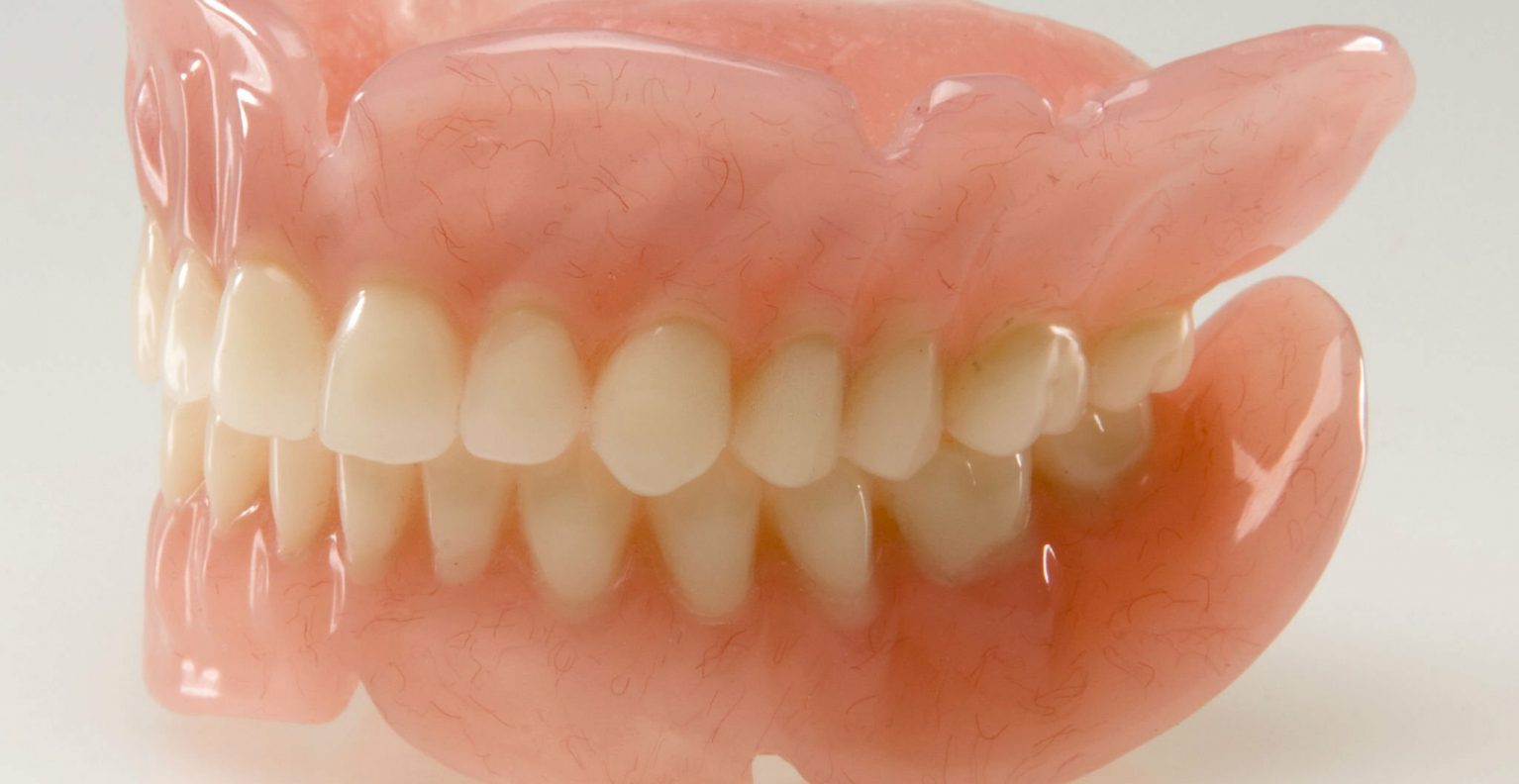
Dentures are removable dental appliances designed to replace missing teeth and surrounding tissue. They are custom-made to fit your mouth and restore both function and appearance.
Modern dentures are more natural-looking and comfortable than ever before. Thanks to advances in dental materials and technology, today’s dentures closely resemble natural teeth and gums.
Types of Dentures
Choosing the right type of denture depends on how many teeth you are missing, your oral health, and your budget.
Complete Dentures
Complete dentures are used when all teeth in the upper or lower jaw are missing. They sit directly on the gums and are typically held in place by suction or denture adhesive.
There are two main types:
Conventional complete dentures (placed after gums fully heal)
Immediate dentures (placed right after tooth extraction)
Partial Dentures
Partial dentures are ideal if you still have some healthy natural teeth. They use a metal or flexible framework that attaches to your existing teeth to hold the denture in place.
Partial dentures help prevent remaining teeth from shifting out of position.
Implant-Supported Dentures
Implant-supported dentures are secured using dental implants placed into the jawbone. Unlike traditional removable dentures, they snap or attach onto implants for added stability.
They provide better chewing power and help preserve bone structure but typically cost more.

Who Is a Good Candidate for Dentures?
You may be a good candidate for dentures if you:
Have multiple missing teeth
Have severely damaged or decayed teeth
Experience difficulty chewing
Feel self-conscious about your smile
Have advanced gum disease
Your dentist will evaluate your oral health, bone density, and medical history before recommending dentures.
The Denture Procedure: Step-by-Step
Understanding the denture process helps you feel more prepared and confident.
1. Consultation and Examination
Your dentist will examine your mouth, take X-rays, and discuss your treatment goals. If necessary, damaged teeth may be extracted.
2. Impressions and Measurements
Impressions of your gums and remaining teeth are taken to create a custom fit. Measurements ensure proper bite alignment.
3. Trial Fitting
You may receive a wax model to test fit, comfort, and appearance before the final denture is made.
4. Final Placement
Once ready, your dentures are fitted and adjusted. Minor follow-up adjustments are common during the first few weeks.
How Much Do Dentures Cost?
The cost of dentures varies depending on the type, materials, and your location.
On average:
Basic complete dentures: $600–$1,500 per arch
Mid-range dentures: $1,500–$3,000 per arch
Premium dentures: $3,000–$5,000+ per arch
Implant-supported dentures: $4,000–$15,000+
Dental insurance may cover part of the cost. Many dental offices also offer payment plans or financing options.
Pros and Cons of Dentures
Like any dental treatment, dentures have advantages and disadvantages.
Benefits of Dentures
Restore ability to chew and speak
Improve facial appearance
Boost self-confidence
Affordable compared to some alternatives
Non-surgical option (unless implants are used)
Potential Drawbacks
Initial discomfort
Possible slipping or movement
Regular maintenance required
Bone loss over time (with traditional dentures)
May need replacement every 5–10 years
Understanding both sides helps set realistic expectations.
What to Expect When Adjusting to Dentures
The adjustment period typically lasts a few weeks.
Eating with Dentures
Start with soft foods such as mashed potatoes, yogurt, eggs, and soup. Cut food into small pieces and chew slowly using both sides of your mouth.
Gradually reintroduce firmer foods as you gain confidence.
Speaking with Dentures
You may notice slight changes in speech at first. Practice reading aloud and repeating challenging words to adapt more quickly.
Soreness and Irritation
Mild soreness is normal during the first few weeks. If discomfort persists, your dentist can make adjustments.
How to Care for Your Dentures
Proper denture care extends their lifespan and protects your oral health.
Daily Cleaning Routine
Remove and rinse dentures after eating
Brush dentures daily using a soft-bristle brush
Use non-abrasive denture cleaner (not regular toothpaste)
Soak dentures overnight in a cleaning solution
Oral Hygiene Still Matters
Even if you wear full dentures, clean your gums, tongue, and palate daily to prevent bacteria buildup and bad breath.
Regular Dental Checkups
Visit your dentist at least once a year to check fit and overall oral health.
Dentures vs. Dental Implants
Many patients compare dentures with dental implants.
Dentures are removable and more affordable upfront. Dental implants are permanent, more stable, and help prevent bone loss but require surgery and a higher investment.
Your dentist can help determine which option fits your lifestyle, health, and budget.
How Long Do Dentures Last?
Dentures typically last between 5 and 10 years. Over time, natural changes in your gums and jawbone can affect fit.
Signs you may need a replacement include:
Loose fit
Difficulty chewing
Visible wear or cracks
Gum irritation
Regular dental evaluations ensure your dentures continue to fit properly.
Tips Before Getting Dentures
Before starting the process:
Ask about all available options
Discuss total costs and payment plans
Understand the adjustment period
Follow pre-procedure instructions carefully
Maintain realistic expectations
Being informed reduces anxiety and leads to better outcomes.
Final Thoughts: Making the Right Decision
Getting dentures is a major step toward restoring your smile and improving your quality of life. While there is an adjustment period, modern dentures offer comfort, functionality, and natural aesthetics.
By understanding the types of dentures, the procedure, costs, benefits, and maintenance requirements, you can confidently move forward with your decision.
If you are considering dentures, schedule a consultation with a qualified dental professional to explore your options and create a personalized treatment plan.
Your smile—and your confidence—are worth it.