

Are Dentures Right for You? A Complete Guide
Missing teeth can affect more than just your appearance. They can impact your ability to chew food, speak clearly, and maintain good oral health. Fortunately, modern dentistry offers several solutions for tooth replacement, and dentures remain one of the most common and effective options.
If you are wondering whether dentures are the right choice for you, this complete guide will explain how dentures work, who they are best suited for, the types available, and what to expect during the process. Understanding these factors can help you make a confident and informed decision about your dental health.
What Are Dentures?
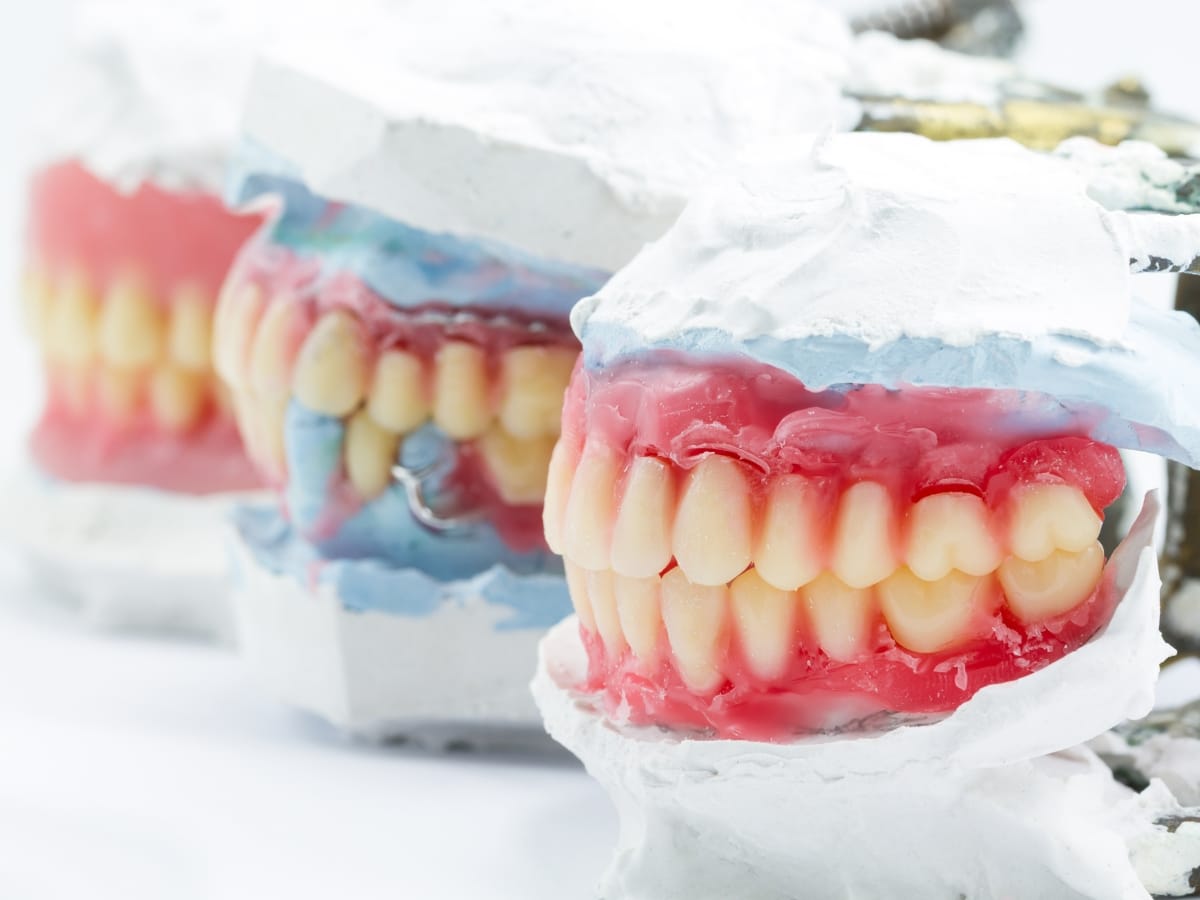
Dentures are custom-made removable dental appliances designed to replace missing teeth and surrounding gum tissue. They are carefully crafted to match the natural appearance of your mouth while restoring essential functions such as chewing and speaking.
Modern dentures are made from high-quality materials like acrylic resin, nylon, and sometimes metal frameworks. These materials help create dentures that are durable, comfortable, and natural-looking.
Dentures can replace several missing teeth or an entire set, depending on your individual dental needs.
Why Replacing Missing Teeth Is Important
Many people assume missing teeth are only a cosmetic issue, but they can also lead to serious oral health problems.
When teeth are missing, nearby teeth may shift out of place, which can affect your bite alignment. This can make chewing difficult and increase the risk of additional dental problems.
Other issues that may occur with untreated tooth loss include:
Difficulty chewing certain foods
Speech problems
Jawbone deterioration
Changes in facial structure
Increased risk of gum disease
Dentures help restore function and protect your long-term oral health.
Who Is a Good Candidate for Dentures?
Dentures can be an excellent solution for many people experiencing tooth loss. However, they are not the only option available.
You may be a good candidate for dentures if you:
Are missing several or all of your teeth
Have severe tooth decay that cannot be restored
Have advanced gum disease
Want a more affordable tooth replacement option
Prefer a non-surgical treatment
Your dentist will evaluate your oral health, gum condition, and jawbone structure to determine whether dentures are the best option for you.
Types of Dentures Available
There are several different types of dentures designed to meet different dental needs.
Complete Dentures
Complete dentures are used when all teeth in the upper or lower jaw are missing. They replace an entire arch of teeth and rest directly on the gums.
There are two common types of complete dentures:
Conventional dentures: Placed after the gums have healed following tooth extraction.
Immediate dentures: Inserted immediately after teeth are removed so patients do not have to go without teeth during the healing process.
Complete dentures help restore facial appearance and improve the ability to eat and speak.
Partial Dentures
Partial dentures are designed for patients who still have some natural teeth remaining. They consist of artificial teeth attached to a base that connects to your existing teeth using clasps or precision attachments.
Partial dentures help prevent remaining teeth from shifting and fill the gaps left by missing teeth.
Implant-Supported Dentures
Implant-supported dentures provide additional stability by attaching to dental implants placed in the jawbone.
Unlike traditional dentures, implant-supported options are secured in place and do not rely solely on the gums for support.
Benefits of implant-supported dentures include:
Greater stability
Improved chewing ability
Better long-term jawbone preservation
Although they are more expensive, many patients prefer them for their comfort and durability.
Advantages of Choosing Dentures
Dentures offer several important benefits for people experiencing tooth loss.
Improved Appearance
Dentures restore your smile and provide support for facial muscles, which helps prevent the sunken appearance often associated with missing teeth.
Better Chewing Ability
Missing teeth can make it difficult to eat certain foods. Dentures restore chewing function so you can enjoy a more balanced diet.
Improved Speech
Teeth play an important role in pronunciation. Dentures help improve speech clarity and confidence.
Affordable Tooth Replacement
Compared to other treatments like dental implants, dentures are generally more affordable and accessible for many patients.
Potential Challenges of Dentures
While dentures offer many benefits, it is important to understand that they may require an adjustment period.
Some common challenges include:
Initial discomfort or soreness
Learning to eat with dentures
Temporary speech changes
Denture movement or slipping
Ongoing maintenance and care
Most patients adapt to their dentures within a few weeks with proper guidance from their dentist.
The Denture Treatment Process
Getting dentures usually involves several steps to ensure a comfortable and natural fit.
Dental Examination
Your dentist will begin with a thorough examination of your mouth, including X-rays or digital scans to assess your teeth, gums, and jawbone.
Tooth Removal (If Necessary)
If damaged or severely decayed teeth remain, they may need to be extracted before dentures can be fitted.
Impressions and Measurements
Impressions of your mouth are taken to create custom dentures that match your bite and gum structure.
Trial Dentures
Before the final dentures are completed, a temporary model may be used to check fit, comfort, and appearance.
Final Denture Placement
Once the dentures are ready, your dentist will place them and make any necessary adjustments.
Follow-up visits may be required to ensure a proper fit.
How Long Do Dentures Last?
Dentures are durable but not permanent. Most dentures last between 5 and 10 years.
Over time, natural changes in the gums and jawbone can affect how dentures fit. As a result, adjustments, relining, or replacement may be necessary.
Regular dental checkups help ensure your dentures remain comfortable and functional.
How to Care for Your Dentures
Proper denture care is essential for maintaining oral health and extending the lifespan of your dentures.
Clean Dentures Daily
Brush your dentures daily using a soft denture brush and non-abrasive denture cleaner to remove food particles and plaque.
Soak Dentures Overnight
Most dentures should be soaked overnight in a denture solution to keep them moist and maintain their shape.
Maintain Oral Hygiene
Even if you wear full dentures, you should still clean your gums, tongue, and palate daily to remove bacteria and prevent infections.
Dentures vs Other Tooth Replacement Options
Dentures are one of several solutions for missing teeth.
Other common options include:
Dental implants
Dental bridges
Implant-supported dentures
Dental implants offer a more permanent solution but require surgery and are typically more expensive.
Dentures remain a popular choice because they are effective, affordable, and widely accessible.
Final Thoughts
So, are dentures right for you? The answer depends on your dental health, lifestyle, and personal preferences. Dentures can be an excellent solution for restoring your smile, improving oral function, and boosting confidence.
By understanding the types of dentures available, the treatment process, and how to care for them, you can make a well-informed decision about your dental care.
If you are considering dentures, schedule a consultation with a qualified dental professional who can evaluate your needs and recommend the best solution for your smile.