

Modern Dentures vs. Traditional Dentures: What’s the Difference?
Dentures are a popular solution for people who have lost teeth due to age, injury, or dental disease. Over the years, dentures have evolved significantly, offering more comfort, functionality, and natural aesthetics than ever before. Understanding the differences between modern dentures and traditional dentures is essential if you are considering tooth replacement options.
This guide will explain how traditional and modern dentures differ, their benefits, limitations, costs, and what to expect from each type. By the end, you will have a clear understanding to make an informed decision about your dental care.
What Are Dentures?
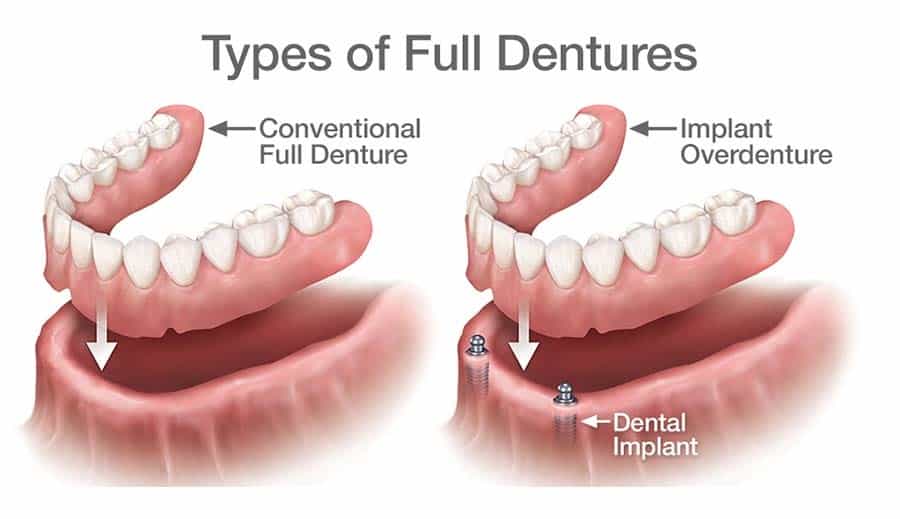
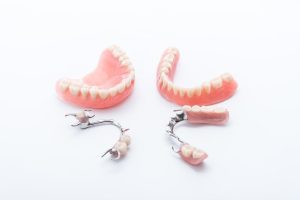
Dentures are removable dental appliances designed to replace missing teeth and surrounding tissues. They restore the ability to chew, speak, and smile confidently. Dentures can be partial—replacing some missing teeth—or complete, replacing all teeth in an arch.
Modern dentures are made with advanced materials and technology, while traditional dentures use older designs and materials. Both types aim to restore oral function, but they differ in fit, appearance, and comfort.
Traditional Dentures: An Overview
Traditional dentures, sometimes called conventional dentures, have been used for decades and remain widely available.
Materials and Design
Traditional dentures are usually made of acrylic resin for the base and plastic or acrylic teeth. The base rests directly on the gums, and the denture stays in place mainly through suction or denture adhesive.
Process and Fitting
The process for traditional dentures involves:
Tooth extraction (if needed)
Healing of gums
Impressions of the mouth
Trial denture fitting
Final placement
Because traditional dentures require healing after tooth extraction, there may be a waiting period before they can be placed.
Advantages of Traditional Dentures
Affordable compared to modern alternatives
Widely available
Effective for replacing missing teeth
Limitations of Traditional Dentures
May shift or slip while eating or speaking
Can cause sore spots if poorly fitted
Require adhesives for added stability
Limited chewing efficiency compared to natural teeth
Bone loss over time may affect fit
Modern Dentures: An Overview
Modern dentures incorporate advanced materials, improved designs, and sometimes dental implants to enhance fit, comfort, and appearance.
Materials and Technology
Modern dentures are often made from flexible resins, high-quality acrylics, or porcelain teeth. They are designed using 3D scanning, CAD/CAM technology, or digital impressions to achieve precise fit and natural aesthetics.
Types of Modern Dentures
Implant-Supported Dentures: These attach to dental implants in the jaw, providing superior stability and chewing efficiency.
Flexible Partial Dentures: Made from flexible materials that adapt to the gums for increased comfort.
Immediate Dentures: Can be placed immediately after tooth extraction, allowing patients to avoid gaps while gums heal.
Advantages of Modern Dentures
More natural appearance and color
Better fit and comfort
Reduced movement and slipping
Enhanced chewing efficiency
Some options preserve jawbone health through implants
Limitations of Modern Dentures
Higher cost than traditional dentures
Implant-supported dentures require surgery
May not be suitable for all patients, depending on bone health
Key Differences Between Modern and Traditional Dentures
Understanding the differences helps you choose the best option for your needs.
Fit and Stability
Traditional dentures rely mainly on suction and adhesives.
Modern dentures, especially implant-supported types, offer superior stability and rarely slip.
Materials and Aesthetics
Traditional dentures often have a uniform acrylic appearance.
Modern dentures use advanced materials to mimic natural teeth and gum color, providing a more realistic look.
Comfort
Traditional dentures may cause sore spots during adjustment.
Modern dentures, designed with digital precision or flexible materials, usually offer better comfort.
Functionality
Chewing efficiency is limited in traditional dentures.
Modern dentures, especially implant-supported ones, restore a larger percentage of natural bite strength.
Lifespan and Maintenance
Traditional dentures may need relining or replacement every 5–10 years due to gum and bone changes.
Modern dentures may last longer and often require fewer adjustments, though implant-supported dentures may involve surgical follow-ups.
Cost Comparison
Cost is an important factor when deciding between traditional and modern dentures.
Traditional Dentures: $600 – $3,000 per arch
Modern Dentures: $1,500 – $5,000+ per arch
Implant-Supported Dentures: $4,000 – $15,000+
Insurance may cover part of the cost for both traditional and modern dentures, and payment plans are often available.
What to Expect During the Denture Process
Initial Consultation
Your dentist will evaluate your oral health, discuss options, and take X-rays or scans to plan the denture treatment.
Impressions and Trials
For both traditional and modern dentures, impressions or digital scans are taken to create a customized fit. Modern dentures may use 3D imaging for increased precision.
Fitting and Adjustments
Initial dentures are trial-fitted, and adjustments are made for comfort, bite alignment, and aesthetics. Follow-up visits may be needed, especially with traditional dentures.
Care and Maintenance
Daily cleaning, soaking, and regular dental checkups are required for both types. Modern dentures may require less frequent adjustments due to superior fit and materials.
Who Should Consider Modern vs Traditional Dentures?
Traditional Dentures
Suitable for patients on a budget
Good for those who cannot undergo surgery
Effective for full or partial tooth replacement
Modern Dentures
Ideal for patients seeking a natural look and comfort
Recommended for those who want improved chewing function
Great for patients with sufficient jawbone for implants
Conclusion: Choosing the Right Denture
Both traditional and modern dentures can restore your smile, improve oral function, and enhance confidence. The choice depends on factors such as budget, oral health, lifestyle, and personal preferences.
Traditional dentures are more affordable and widely available but may require adhesives and adjustments.
Modern dentures offer superior comfort, stability, and aesthetics, with implant-supported options providing the closest experience to natural teeth.
Consulting with a qualified dentist will help you determine which type of denture suits your needs, ensuring a long-lasting, functional, and attractive smile.
By understanding the differences between modern dentures and traditional dentures, you can make an informed decision and enjoy the benefits of a restored, confident smile.