


Dental Veneers: The Secret to a Perfect Smile?
Dental veneers have become one of the most popular cosmetic dentistry solutions for achieving a flawless, natural-looking smile. Whether you are dealing with chipped teeth, discoloration, gaps, or uneven shapes, veneers offer a long-lasting and aesthetically pleasing transformation. But are dental veneers really the secret to a perfect smile? In this guide, we’ll explore how veneers work, their benefits, limitations, costs, and whether they are the right option for you.
What Are Dental Veneers?
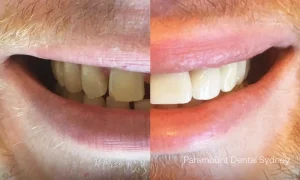
Dental veneers are thin, custom-made shells designed to cover the front surface of teeth. They are typically made from porcelain or composite resin and are permanently bonded to improve the appearance of teeth.
Veneers are commonly used in cosmetic dentistry to correct imperfections and create a brighter, more uniform smile. They are designed to look natural while enhancing shape, color, and alignment.
Types of Dental Veneers
There are two main types of veneers used in modern dentistry:
Porcelain Veneers
Porcelain veneers are durable, stain-resistant, and closely mimic the natural appearance of enamel. They are the most popular choice for long-term cosmetic results and typically last 10–15 years with proper care.
Composite Veneers
Composite veneers are made from tooth-colored resin material. They are more affordable than porcelain veneers and can often be applied in a single visit. However, they may not last as long and can be more prone to staining.
How Dental Veneers Work
The veneer process involves multiple steps to ensure a precise and natural-looking result. Each veneer is custom-designed to match the patient’s facial structure and smile goals.
Step-by-Step Veneer Procedure
The dental veneer process typically includes:
Initial consultation and smile assessment
Tooth preparation (removal of a thin enamel layer)
Digital impressions or scans
Custom veneer fabrication in a dental lab
Temporary veneers (if needed)
Permanent bonding of veneers
Final adjustments and polishing
This process ensures a perfect fit and natural appearance.
Benefits of Dental Veneers
Dental veneers offer both cosmetic and psychological benefits, making them a popular choice for smile makeovers.
Improved Aesthetic Appearance
Veneers can instantly enhance the appearance of teeth by correcting discoloration, chips, cracks, and uneven spacing. They create a bright, symmetrical, and polished smile.
Natural-Looking Results
Modern veneers are designed to reflect light in a similar way to natural enamel. This ensures that the final result looks realistic rather than artificial.
Stain Resistance
Porcelain veneers are highly resistant to staining from coffee, tea, wine, and smoking. This makes them ideal for maintaining a bright smile over time.
Minimally Invasive Procedure
Compared to crowns, veneers require less removal of tooth structure. Only a small layer of enamel is typically removed before placement.
Are Dental Veneers the Secret to a Perfect Smile?
While veneers can dramatically improve your smile, they are not a one-size-fits-all solution. They are best suited for cosmetic enhancements rather than functional dental issues.
When Veneers Are Ideal
Dental veneers are most effective for:
Discolored or stained teeth
Chipped or broken teeth
Gaps between teeth
Slightly misaligned or uneven teeth
Worn-down teeth
For many patients, veneers provide a complete smile transformation in a relatively short time.
When Veneers May Not Be Suitable
Veneers may not be recommended for individuals with:
Severe tooth decay
Weak or damaged tooth structure
Untreated gum disease
Severe bite misalignment
In such cases, other dental treatments may be required first.
Porcelain vs Composite Veneers
Choosing between porcelain and composite veneers depends on budget, lifestyle, and desired longevity.
Porcelain Veneers
Porcelain Veneers are known for their durability and natural appearance. They are custom-made in a dental laboratory and can last over a decade with proper care. They are highly resistant to staining and provide long-term aesthetic results.
Composite Veneers
Composite Veneers are a more affordable option and can often be completed in a single visit. While they are less durable than porcelain, they are still effective for minor cosmetic improvements.
The Dental Veneer Procedure Explained
Understanding the procedure helps patients feel more confident about their treatment journey.
Consultation and Smile Design
The first step involves a detailed consultation where the dentist evaluates your teeth, discusses goals, and designs a personalized smile plan. Digital imaging may be used to preview results.
Tooth Preparation
A thin layer of enamel is removed from the tooth surface to ensure proper bonding. This step is essential for achieving a natural fit.
Veneer Placement
Once custom veneers are ready, they are bonded to the teeth using dental adhesive. The dentist makes final adjustments to ensure comfort and alignment.
How Long Do Dental Veneers Last?
The lifespan of veneers depends on the material used and how well they are maintained.
Porcelain Veneer Longevity
Porcelain veneers typically last between 10 to 15 years, and in some cases even longer with excellent oral hygiene and regular dental visits.
Composite Veneer Longevity
Composite veneers generally last between 5 to 7 years. They may require more frequent repairs or replacements compared to porcelain.
Care Tips for Dental Veneers
Proper care is essential to maintain the appearance and durability of veneers.
Maintain Good Oral Hygiene
Brushing twice daily and flossing helps prevent plaque buildup around veneers and natural teeth.
Avoid Hard Foods
Chewing on hard objects like ice or pens can damage veneers over time.
Limit Stain-Causing Foods
While porcelain veneers resist stains, it is still wise to limit excessive consumption of coffee, tea, and red wine.
Regular Dental Checkups
Routine dental visits ensure veneers remain in good condition and allow early detection of any issues.
Cost of Dental Veneers
The cost of veneers varies depending on material, location, and dentist expertise.
Factors Affecting Cost
Several factors influence pricing, including:
Type of veneer (porcelain or composite)
Number of teeth treated
Dentist’s experience
Geographic location
While veneers can be an investment, many patients consider them worthwhile due to their long-lasting cosmetic benefits.
Risks and Limitations of Veneers
Although veneers are safe and effective, they do have some limitations.
Irreversible Procedure
Since enamel is removed, the procedure is permanent and requires maintenance or replacement over time.
Sensitivity
Some patients may experience temporary sensitivity after enamel removal.
Not a Functional Fix
Veneers improve appearance but do not correct major bite or structural dental problems.
Final Thoughts on Dental Veneers
Dental veneers are often considered the secret to a perfect smile because they deliver fast, dramatic, and natural-looking results. However, they are best suited for cosmetic improvements rather than complex dental corrections.
For patients looking to enhance their smile’s appearance, veneers offer a powerful and long-lasting solution. With proper care and guidance from a qualified dentist, they can transform not just your teeth—but your confidence as well.