

Clear Aligners: A Modern Alternative to Traditional Braces
Clear aligners have transformed modern orthodontics by offering a discreet, comfortable, and convenient alternative to traditional braces. As more people seek aesthetic and flexible ways to straighten their teeth, clear aligner therapy has become one of the most popular treatment options worldwide. This guide explores how clear aligners work, their benefits, limitations, and whether they are the right choice for your orthodontic needs.
What Are Clear Aligners?
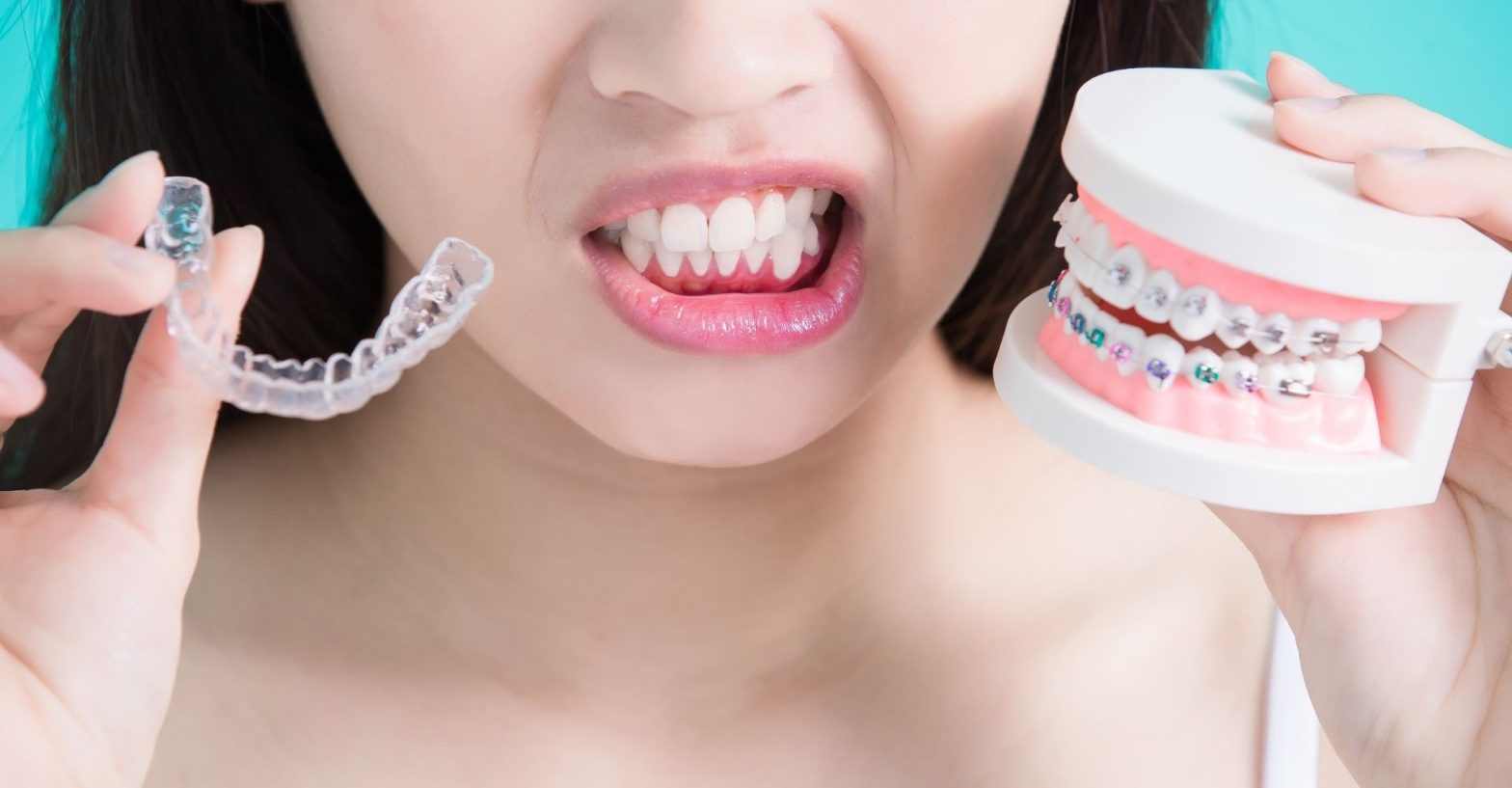
Clear aligners are custom-made, transparent plastic trays designed to gradually move teeth into their correct positions. Unlike traditional braces, which use metal brackets and wires, clear aligners are removable and nearly invisible when worn.
They are commonly used to treat mild to moderate orthodontic issues such as crowding, spacing, and minor bite misalignments. Treatment is planned digitally, allowing orthodontists to map out the entire tooth movement process before it begins.
How Clear Aligners Are Made
Clear aligners are created using advanced 3D scanning technology. A digital model of the patient’s teeth is used to design a series of aligner trays. Each tray applies gentle pressure to specific teeth, gradually shifting them over time.
Patients typically switch to a new set of aligners every one to two weeks, depending on their treatment plan.
How Clear Aligners Work
Clear aligners work by applying controlled, consistent pressure to teeth. Over time, this pressure moves teeth into their desired positions.
Step-by-Step Treatment Process
The clear aligner process usually includes:
Initial consultation and dental examination
Digital scans or impressions of teeth
Customized treatment plan created by orthodontist
Series of aligner trays produced
Wearing aligners for 20–22 hours daily
Switching trays every 1–2 weeks
Final refinement and retention phase
Each stage plays a crucial role in achieving a properly aligned smile.
Benefits of Clear Aligners
Clear aligners have become a preferred choice for many patients due to their convenience and aesthetic appeal.
Nearly Invisible Appearance
One of the biggest advantages of clear aligners is their discreet design. Since they are transparent, most people will not notice you are wearing them. This makes them especially popular among adults and professionals.
Removable for Convenience
Unlike fixed braces, clear aligners can be removed while eating, drinking, brushing, and flossing. This makes maintaining oral hygiene significantly easier and allows patients to enjoy their favorite foods without restrictions.
Improved Comfort
Clear aligners are made from smooth plastic, reducing the risk of irritation to the gums and cheeks. There are no metal brackets or wires that can cause discomfort or mouth sores.
Fewer Dental Visits
Patients using clear aligners generally require fewer orthodontic appointments compared to traditional braces. Progress checks are typically scheduled every 6–8 weeks.
Clear Aligners vs Traditional Braces
Understanding the differences between clear aligners and traditional braces can help patients make informed decisions.
Appearance and Aesthetics
Clear aligners are virtually invisible, while traditional braces use visible metal or ceramic brackets. This makes aligners more appealing for individuals concerned about appearance.
Treatment Effectiveness
Traditional braces are often recommended for complex orthodontic issues, including severe bite problems. Clear aligners are highly effective for mild to moderate cases but may not be suitable for all complex conditions.
Maintenance and Hygiene
Clear aligners allow for easier cleaning since they can be removed. Braces require more effort to clean due to brackets and wires that trap food particles.
Dietary Freedom
With clear aligners, there are no food restrictions. Patients can eat normally, unlike braces wearers who must avoid sticky and hard foods.
Who Is a Good Candidate for Clear Aligners?
Clear aligners are not suitable for everyone. An orthodontist will evaluate your teeth and bite before recommending treatment.
Ideal Candidates
Clear aligners are best suited for patients who have:
Mild to moderate crowding
Small gaps between teeth
Minor bite misalignment
Good oral hygiene habits
Commitment to wearing aligners consistently
Cases That May Require Braces Instead
In some situations, traditional braces may be more effective, especially for:
Severe bite issues
Complex tooth rotations
Significant jaw alignment problems
Patients who may struggle with compliance
How Long Does Clear Aligner Treatment Take?
Treatment time varies depending on the complexity of the case and patient compliance.
Average Treatment Duration
Most clear aligner treatments take between 6 and 18 months. Mild cases may be completed in as little as 4–6 months, while more moderate cases may take longer.
Factors That Affect Treatment Time
Several factors influence how long treatment takes:
Severity of dental misalignment
How consistently aligners are worn
Age of the patient
Individual tooth movement response
Wearing aligners for the recommended 20–22 hours per day is essential for staying on schedule.
Daily Life with Clear Aligners
Clear aligners are designed to fit seamlessly into daily life, but they do require responsibility and consistency.
Eating and Drinking
Aligners must be removed when eating or drinking anything other than water. This prevents staining and damage to the trays. After eating, brushing teeth before reinserting aligners is recommended.
Speaking with Aligners
Some patients may experience a slight adjustment period when speaking with aligners, but this usually resolves within a few days.
Oral Hygiene Routine
Maintaining good oral hygiene is simple with aligners. Patients should:
Brush at least twice daily
Floss regularly
Clean aligners gently with water or approved solutions
Potential Drawbacks of Clear Aligners
While clear aligners offer many benefits, they also have limitations.
Requires Discipline
Because aligners are removable, success depends heavily on patient compliance. Not wearing them as instructed can delay results.
Not Suitable for All Cases
Clear aligners may not be effective for severe orthodontic issues that require more complex tooth movement.
Cost Considerations
Clear aligners can be more expensive than traditional braces due to advanced technology and customization.
Tips for Successful Clear Aligner Treatment
Following best practices can help ensure successful results and a smooth treatment experience.
Wear Aligners Consistently
Wearing aligners for 20–22 hours per day is critical for achieving expected results within the planned timeframe.
Maintain Excellent Oral Hygiene
Brushing and flossing before reinserting aligners prevents plaque buildup and staining.
Store Aligners Properly
Always keep aligners in their protective case when not in use to avoid damage or loss.
Attend Regular Checkups
Routine orthodontic visits ensure treatment is progressing correctly and allow for adjustments if needed.
Final Thoughts on Clear Aligners
Clear aligners represent a modern and convenient alternative to traditional braces, offering patients a discreet way to achieve a straighter smile. While they are not suitable for every orthodontic case, they are highly effective for mild to moderate alignment issues when used correctly.
For those who value comfort, aesthetics, and flexibility, clear aligners provide an excellent solution that fits seamlessly into everyday life while delivering long-term dental benefits.