

Porcelain vs Composite Veneers: Pros and Cons
When it comes to enhancing your smile, dental veneers are one of the most popular cosmetic dentistry solutions. Among the available options, porcelain and composite veneers stand out as the two main choices. Both can dramatically improve the appearance of teeth, but they differ in cost, durability, aesthetics, and application process. Understanding the pros and cons of porcelain vs composite veneers is essential for choosing the right option for your smile goals.
In this guide, we break down everything you need to know to make an informed decision.

What Are Dental Veneers?
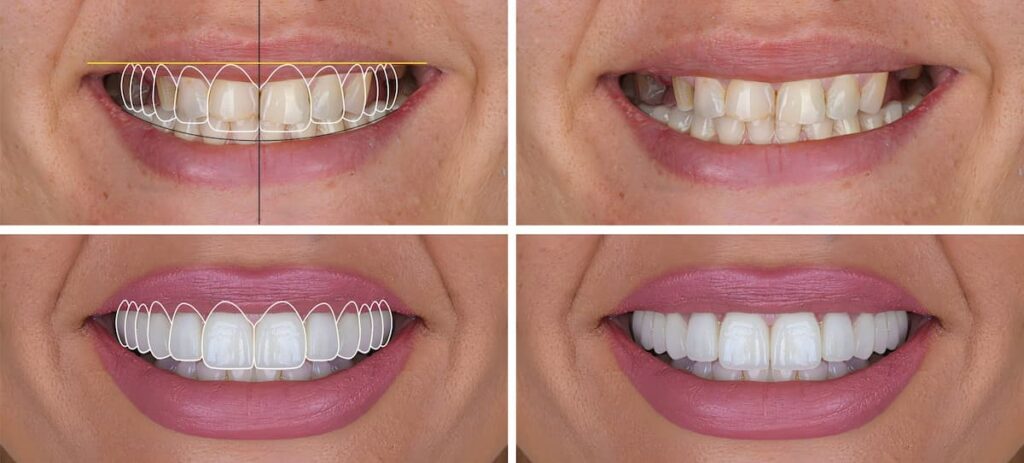
Dental veneers are thin, custom-made shells that are bonded to the front surface of teeth to improve their appearance. They are commonly used to correct issues such as discoloration, chipped teeth, gaps, uneven shapes, or minor misalignment.
Veneers are a cornerstone of cosmetic dentistry because they provide a natural-looking, long-lasting smile transformation without extensive surgery.
Types of Veneers
There are two primary types of veneers used in modern dentistry:
Porcelain veneers
Composite veneers
Each option has unique benefits and limitations depending on the patient’s needs.
What Are Porcelain Veneers?
Porcelain veneers are thin ceramic shells custom-designed in a dental laboratory and permanently bonded to teeth. They are known for their strength, durability, and natural appearance.
How Porcelain Veneers Are Made
The process involves taking detailed impressions or digital scans of the teeth. These are sent to a dental lab where highly skilled technicians create veneers that match the shape, size, and color of natural teeth. Once ready, they are bonded to the teeth using a strong adhesive.
What Are Composite Veneers?
Composite veneers are made from a tooth-colored resin material applied directly to the teeth or fabricated in a dental lab. They are sculpted and shaped by the dentist during the procedure.
How Composite Veneers Are Applied
The dentist applies layers of composite resin onto the tooth surface, carefully shaping and polishing it to achieve the desired appearance. This process is usually completed in a single appointment.
Porcelain Veneers: Pros and Cons
Porcelain veneers are often considered the premium option in cosmetic dentistry. However, they come with both advantages and disadvantages.
Pros of Porcelain Veneers
Natural Appearance
Porcelain veneers closely mimic the translucency and shine of natural enamel, making them virtually indistinguishable from real teeth.
High Durability
Porcelain Veneers are extremely strong and can last 10–15 years or longer with proper care.
Stain Resistance
Porcelain is highly resistant to staining from coffee, tea, wine, and smoking, helping maintain a bright smile over time.
Long-Term Investment
Although more expensive initially, porcelain veneers often require fewer replacements, making them cost-effective in the long run.
Cons of Porcelain Veneers
Higher Cost
Porcelain veneers are significantly more expensive than composite alternatives due to materials and laboratory fabrication.
Irreversible Procedure
A thin layer of enamel must be removed before placement, making the procedure permanent.
Longer Treatment Time
Since veneers are custom-made in a lab, the process typically requires multiple appointments.
Composite Veneers: Pros and Cons
Composite veneers are a more affordable and quicker alternative to porcelain veneers, but they have some limitations in durability and aesthetics.
Pros of Composite Veneers
Affordable Option
Composite Veneers are generally more budget-friendly, making them accessible to a wider range of patients.
Same-Day Results
Composite veneers can often be completed in a single dental visit, providing immediate results.
Minimally Invasive
In many cases, little to no enamel removal is required, making the procedure more conservative.
Easy Repairs
If chipped or damaged, composite veneers can often be repaired quickly without full replacement.
Cons of Composite Veneers
Less Durable
Composite veneers typically last 5–7 years, which is shorter than porcelain options.
Prone to Staining
Composite material is more susceptible to discoloration from food, drinks, and smoking.
Less Natural Appearance
While still aesthetically pleasing, composite veneers may not achieve the same level of translucency as porcelain.
Porcelain vs Composite Veneers: Key Differences
Understanding the differences between porcelain and composite veneers helps patients choose the right treatment based on their goals and budget.
Durability Comparison
Porcelain veneers are more durable and resistant to wear, while composite veneers are more prone to chipping and may require repairs.
Aesthetic Comparison
Porcelain offers a more natural, glass-like appearance, while composite provides good but slightly less refined aesthetics.
Cost Comparison
Composite veneers are more affordable upfront, while porcelain veneers require a higher initial investment.
Treatment Time Comparison
Composite veneers can be completed in one visit, whereas porcelain veneers require multiple appointments.
Who Should Choose Porcelain Veneers?
Porcelain veneers are ideal for patients who want long-lasting, high-quality cosmetic results.
Best Candidates for Porcelain Veneers
You may benefit from porcelain veneers if you:
Want a long-term solution
Have moderate to severe cosmetic concerns
Prefer stain-resistant materials
Are willing to invest in premium treatment
Who Should Choose Composite Veneers?
Composite veneers are suitable for patients seeking a quicker and more affordable solution.
Best Candidates for Composite Veneers
Composite veneers may be right for you if you:
Want immediate results
Have minor cosmetic imperfections
Prefer a reversible or minimally invasive option
Are working within a budget
How to Care for Veneers
Proper care is essential to maintain the appearance and longevity of both porcelain and composite veneers.
Daily Oral Hygiene
Brush twice daily and floss regularly to prevent plaque buildup around veneers and natural teeth.
Avoid Hard Foods
Chewing hard objects such as ice or pens can damage veneers.
Limit Staining Substances
Reduce intake of coffee, tea, red wine, and tobacco products to maintain brightness, especially for composite veneers.
Regular Dental Checkups
Routine visits help ensure veneers remain in good condition and allow early detection of any issues.
Final Thoughts on Porcelain vs Composite Veneers
Choosing between porcelain and composite veneers depends on your cosmetic goals, budget, and long-term expectations. Porcelain veneers offer superior durability and aesthetics, making them ideal for long-term smile transformations. Composite veneers provide a more affordable and faster alternative, suitable for minor improvements and short-term enhancements.