

Cracked Tooth Syndrome: Symptoms, Causes, and Treatment
Cracked Tooth Syndrome (CTS) is a common but often difficult-to-diagnose dental condition that occurs when a tooth develops a small crack or fracture. These cracks may be invisible to the naked eye and can cause intermittent pain, especially when chewing or biting. If left untreated, a cracked tooth can worsen over time, potentially leading to infection, severe pain, or even tooth loss.
Understanding the symptoms, causes, and treatment options for cracked tooth syndrome can help patients seek timely care and protect their natural teeth. In this article, we will explore everything you need to know about cracked tooth syndrome and how modern dentistry can effectively manage this condition.
What Is Cracked Tooth Syndrome?
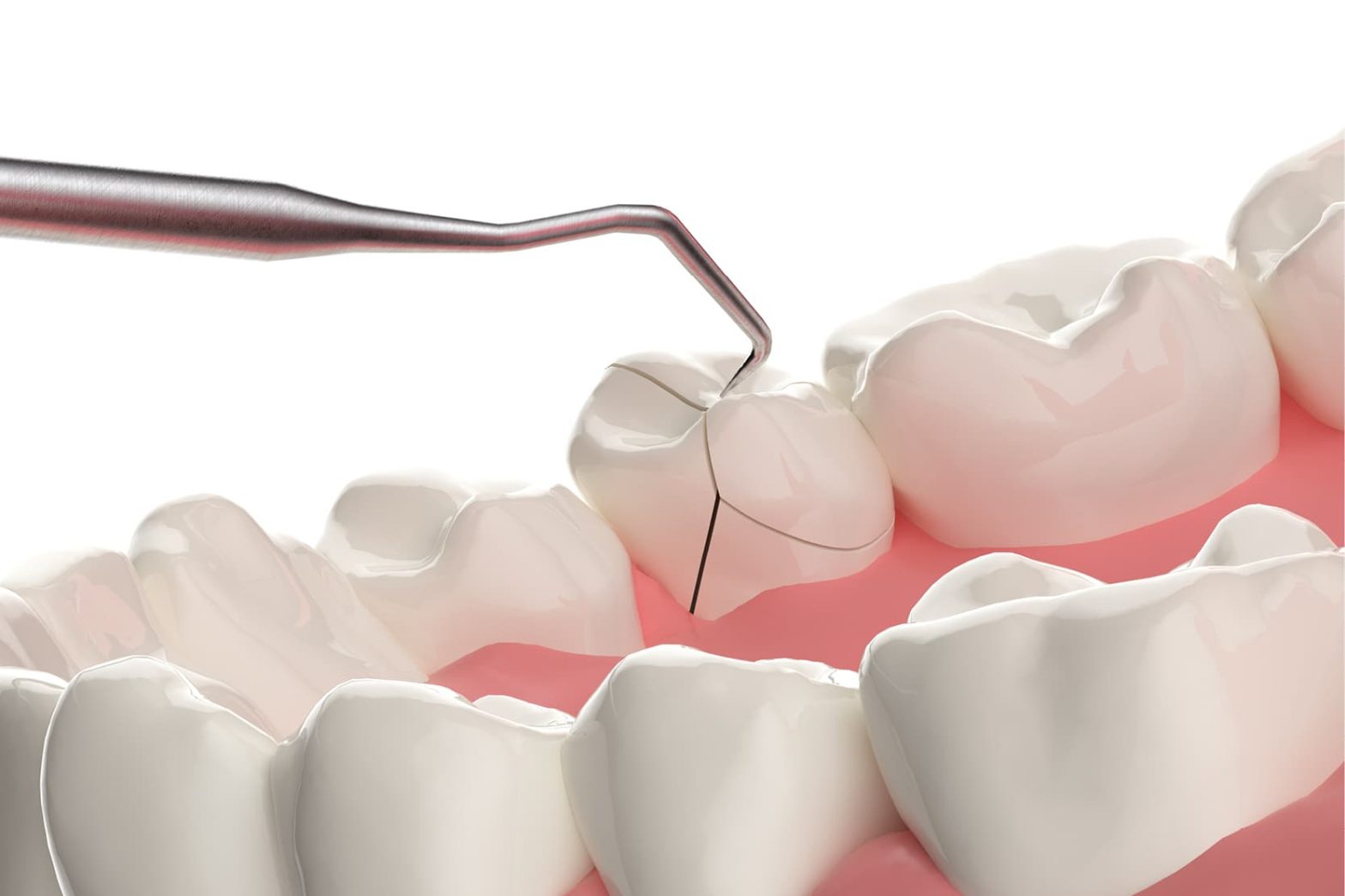
Cracked Tooth Syndrome refers to a condition where a tooth develops an incomplete fracture that may extend from the chewing surface toward the root. Unlike a completely broken tooth, the crack may not be visible or easily detected during a routine dental exam.
Because the crack can open slightly when pressure is applied and close again when the pressure is released, patients often experience pain that appears and disappears. This makes diagnosis challenging in some cases.
Cracks can occur in any tooth but are most commonly found in molars because they endure the greatest chewing pressure.
Why Cracked Teeth Are a Concern
Even a small crack can allow bacteria to enter the inner layers of the tooth. If bacteria reach the dental pulp, infection and inflammation can develop. Without treatment, the crack may extend deeper into the tooth structure and cause significant damage.
Early detection is important because treating a cracked tooth early increases the chances of saving the natural tooth.
Common Symptoms of Cracked Tooth Syndrome
One of the challenges of diagnosing cracked tooth syndrome is that symptoms can vary from person to person. The pain may not always be constant and can appear only under certain conditions.
Pain When Chewing or Biting
One of the most common signs of a cracked tooth is sharp pain when biting down on food. This pain often occurs when pressure is applied and may disappear once the pressure is released.
Sensitivity to Temperature
Patients with cracked tooth syndrome may experience increased sensitivity to hot or cold foods and beverages. This occurs when the crack exposes the inner layers of the tooth.
Intermittent Tooth Pain
Unlike a typical toothache, the discomfort associated with a cracked tooth may come and go. The pain might appear during chewing but may not be present at other times.
Swelling Around the Tooth
In some cases, a cracked tooth can lead to inflammation or infection, which may cause swelling or tenderness in the surrounding gums.
Difficulty Identifying the Problem Tooth
Because cracks can be very small, it may be difficult for patients to determine which tooth is causing the discomfort. A dentist may need to perform specific tests to locate the affected tooth.
What Causes Cracked Tooth Syndrome?
Several factors can increase the risk of developing cracked tooth syndrome. These causes are often related to pressure, trauma, or weakening of the tooth structure.
Chewing Hard Foods
Biting down on hard foods such as ice, nuts, hard candies, or popcorn kernels can place excessive pressure on teeth, potentially causing cracks.
Teeth Grinding (Bruxism)
Grinding or clenching teeth, especially during sleep, can place continuous stress on the teeth. Over time, this repeated pressure may cause fractures or cracks to form.
Large Dental Fillings
Teeth that have large fillings may be more vulnerable to cracks because a significant portion of the natural tooth structure has been removed.
Sudden Temperature Changes
Consuming very hot and very cold foods in quick succession can cause expansion and contraction of the tooth enamel, which may contribute to cracking over time.
Dental Trauma or Injury
Accidents, sports injuries, or falls can cause sudden damage to the teeth, leading to fractures or cracks.
How Dentists Diagnose Cracked Tooth Syndrome
Diagnosing cracked tooth syndrome can be challenging because cracks are often too small to be visible on standard dental X-rays.
Dentists typically use several methods to identify the problem.
Bite Testing
Your dentist may ask you to bite down on a special dental tool to determine which tooth causes discomfort when pressure is applied.
Dental Examination
A thorough examination of the tooth may reveal visible fracture lines, worn enamel, or other signs of damage.
Magnification and Lighting
Dental professionals often use magnification tools or microscopes to detect tiny cracks that may not be visible during a standard examination.
Special Dental Dyes
In some cases, a dye may be applied to the tooth surface to help highlight cracks in the enamel.
Accurate diagnosis allows dentists to recommend the most effective treatment plan.
Treatment Options for Cracked Tooth Syndrome
The appropriate treatment for cracked tooth syndrome depends on the location and severity of the crack. Early treatment significantly increases the likelihood of saving the tooth.
Dental Bonding
If the crack is minor, a dentist may repair the tooth using dental bonding. A tooth-colored resin is applied to seal the crack and restore the tooth’s structure.
Dental Crown
For more significant cracks, a dental crown may be recommended. A crown covers the entire tooth, protecting it from further damage and restoring its strength.
Crowns are commonly used when the crack affects the chewing surface of the tooth.
Root Canal Treatment
If the crack has reached the dental pulp, root canal therapy may be necessary. This procedure removes infected tissue from inside the tooth and seals the canals to prevent further infection.
After a root canal, the tooth is typically restored with a crown for added protection.
Tooth Extraction
In severe cases where the crack extends below the gum line or into the root, the tooth may not be salvageable. When this occurs, extraction may be necessary to prevent infection from spreading.
The missing tooth can then be replaced with options such as dental implants or bridges.
How to Prevent Cracked Tooth Syndrome
Although not all cracks can be prevented, there are several steps patients can take to reduce their risk.
Avoid Chewing Hard Objects
Avoid biting on ice, hard candy, or other hard substances that may damage your teeth.
Wear a Night Guard
If you grind or clench your teeth during sleep, a custom night guard can help protect your teeth from excessive pressure.
Practice Good Oral Hygiene
Maintaining healthy teeth through regular brushing, flossing, and dental checkups helps prevent decay and weakening of the tooth structure.
Use Protective Mouthguards During Sports
Athletes participating in contact sports should wear mouthguards to reduce the risk of dental injuries.
When to See a Dentist
If you experience persistent pain while chewing, sudden tooth sensitivity, or unexplained dental discomfort, it’s important to schedule a dental appointment.
Early diagnosis allows dentists to treat cracks before they become severe. Prompt treatment can prevent complications and increase the chances of saving the natural tooth.
Conclusion
Cracked Tooth Syndrome is a common dental condition that can cause discomfort and lead to serious complications if left untreated. Because cracks are often small and difficult to detect, recognizing the symptoms and seeking professional dental care is essential.
Modern dental treatments such as bonding, crowns, and root canal therapy can successfully repair many cracked teeth and restore normal function. By taking preventive measures and maintaining good oral health habits, patients can reduce the risk of cracked teeth and protect their smiles for years to come. 🦷