


How Endodontists Save Teeth That Would Otherwise Be Extracted
Modern dentistry has made it possible to save teeth that once would have required extraction. One of the key specialties responsible for preserving natural teeth is endodontics. Endodontists are dental specialists trained to diagnose and treat problems inside the tooth, particularly those involving the dental pulp and root canals.
Through advanced techniques, specialized equipment, and years of additional training, endodontists can treat severe infections, deep decay, and traumatic dental injuries that might otherwise result in tooth loss. In this article, we will explore how endodontists save teeth that would otherwise be extracted and why preserving natural teeth is often the best option for long-term oral health.
What Is an Endodontist?
An endodontist is a dentist who specializes in diagnosing and treating problems related to the inside of the tooth, specifically the dental pulp and surrounding tissues. After completing dental school, endodontists receive additional training focused on root canal treatments and complex dental infections.
Their expertise allows them to manage complicated cases that general dentists may refer to specialists.
Specialized Training and Expertise
Endodontists undergo two or more years of advanced training after dental school. During this time, they gain extensive experience performing root canal treatments, managing dental trauma, and treating infections deep within the tooth.
They also use specialized tools such as dental microscopes and advanced imaging technologies that allow them to see details inside the tooth that are not visible to the naked eye.
This level of expertise greatly increases the chances of saving teeth that might otherwise need to be removed.
Why Teeth Sometimes Need to Be Extracted
To understand how endodontists save teeth, it’s helpful to know why teeth sometimes require extraction in the first place. Several dental problems can lead to severe damage or infection inside the tooth.
Common causes include:
Deep tooth decay reaching the pulp
Cracked or fractured teeth
Repeated dental procedures on the same tooth
Dental trauma or injury
Untreated cavities that lead to infection
When bacteria reach the pulp, the tissue inside the tooth becomes inflamed or infected. If the infection spreads to surrounding tissues or the bone, extraction may appear to be the only solution.
However, endodontic treatments can often eliminate the infection and restore the tooth.
The Importance of Saving Natural Teeth
Whenever possible, dentists aim to preserve natural teeth rather than extract them. Natural teeth provide several advantages that artificial replacements cannot fully replicate.
Keeping your natural teeth helps maintain proper chewing function, jawbone health, and alignment of surrounding teeth. When a tooth is removed, nearby teeth may shift into the empty space, potentially causing bite problems or misalignment.
Additionally, replacing an extracted tooth with dental implants, bridges, or dentures often requires additional procedures and higher costs.
Endodontic treatment offers a way to remove infection while keeping the original tooth structure intact.
Root Canal Treatment: The Primary Tooth-Saving Procedure
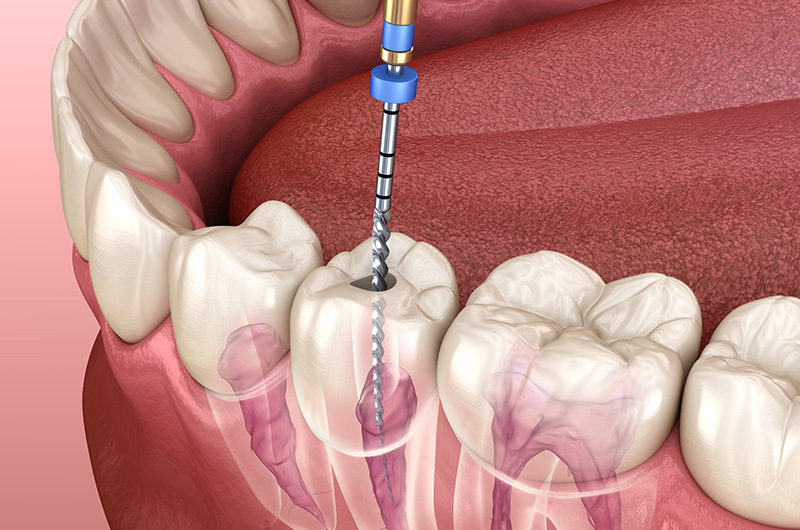
One of the most common ways endodontists save teeth is through root canal treatment. Root canal therapy removes infected or damaged pulp from inside the tooth while preserving the outer structure.
How Root Canal Therapy Works
The procedure begins with the dentist administering local anesthesia to numb the affected area. Once the tooth is numb, a small opening is created to access the pulp chamber.
The endodontist carefully removes the infected pulp tissue and cleans the root canals using specialized instruments. After thoroughly disinfecting the canals, they are filled with a biocompatible material that seals the space and prevents further infection.
Finally, the tooth is restored with a filling or crown to restore strength and function.
Success Rate of Root Canal Treatment
Root canal therapy has a high success rate, often exceeding 90 percent. When performed correctly and followed by proper restoration, treated teeth can last for many years or even a lifetime.
For many patients, root canal treatment is the difference between saving a natural tooth and losing it permanently.
Endodontic Retreatment for Previously Treated Teeth
In some cases, a tooth that has already received root canal treatment may develop problems again. This can occur if bacteria re-enter the tooth due to cracks, new decay, or incomplete healing.
Rather than extracting the tooth, endodontists can perform a procedure called endodontic retreatment.
How Retreatment Saves Teeth
During retreatment, the previous root canal filling is removed so the canals can be cleaned and disinfected again. The endodontist then re-fills and seals the canals to eliminate infection.
This procedure often resolves persistent issues and gives the tooth another chance to remain healthy and functional.
Retreatment can be an effective alternative to extraction when complications arise after the initial root canal therapy.
Apicoectomy: A Surgical Option to Save Teeth
Sometimes infection may persist near the tip of the tooth root even after root canal treatment. In these situations, endodontists may perform a surgical procedure known as an apicoectomy.
What Happens During an Apicoectomy
An apicoectomy involves removing the infected tissue around the root tip along with the very end of the root itself. After removing the damaged area, the endodontist seals the root tip to prevent further infection.
This procedure allows the tooth to remain in place while eliminating the source of infection.
Apicoectomy procedures are often recommended when conventional root canal treatment or retreatment cannot fully resolve the issue.
Advanced Technology That Helps Save Teeth
Modern endodontic practices rely on advanced technology to improve accuracy and treatment outcomes. These tools allow specialists to diagnose problems more effectively and treat complex cases that might otherwise require extraction.
Dental Operating Microscopes
Microscopes provide enhanced magnification and lighting, enabling endodontists to locate tiny root canals, fractures, and hidden infections.
3D Imaging with Cone Beam CT
Cone Beam Computed Tomography (CBCT) scans create detailed 3D images of the tooth and surrounding structures. This technology allows specialists to detect infections, root fractures, and unusual anatomy that traditional X-rays may miss.
Advanced Endodontic Instruments
Modern rotary instruments and ultrasonic devices help endodontists clean root canals more efficiently and thoroughly. These tools reduce treatment time and improve precision during procedures.
Together, these innovations significantly increase the chances of saving damaged or infected teeth.
Signs You May Need Endodontic Treatment
Recognizing early symptoms of dental pulp infection can help prevent tooth loss. If you experience any of the following symptoms, it’s important to consult a dental professional as soon as possible:
Persistent tooth pain
Sensitivity to hot or cold temperatures
Swelling around the gums
Tooth discoloration
Pain when chewing or biting
A pimple-like bump on the gums
Early diagnosis and treatment increase the likelihood of saving the affected tooth.
Aftercare and Long-Term Tooth Preservation
Once endodontic treatment is completed, proper care is essential to maintain the health of the treated tooth.
Restoring the Tooth with a Crown
In many cases, a dental crown is placed over the treated tooth to strengthen and protect it from fractures.
Practicing Good Oral Hygiene
Daily brushing, flossing, and regular dental checkups help prevent new infections and maintain overall oral health.
Regular Dental Monitoring
Routine dental visits allow dentists to monitor treated teeth and address potential issues before they become serious problems.
With proper care, endodontically treated teeth can function normally for many years.
Conclusion
Endodontists play a critical role in modern dentistry by saving teeth that might otherwise need to be extracted. Through procedures such as root canal therapy, endodontic retreatment, and apicoectomy, they can eliminate infection while preserving the natural structure of the tooth.
Advanced technology, specialized training, and precise techniques allow endodontists to treat complex dental problems with high success rates. By seeking timely treatment and maintaining good oral hygiene, patients can keep their natural teeth healthy and functional for many years.
Saving natural teeth not only preserves your smile but also supports long-term oral health and overall well-being. 🦷