


What Happens If You Ignore an Infected Tooth?
Ignoring an infected tooth can have serious consequences for both your oral and overall health. Dental infections don’t just cause tooth pain—they can spread to surrounding tissues, lead to bone loss, and even result in life-threatening complications if left untreated. Understanding the risks of delaying treatment and the symptoms of an infected tooth is crucial for maintaining a healthy smile.
In this article, we’ll explore what happens if you ignore an infected tooth, how infections develop, potential complications, and why timely dental care is essential.
What Is a Tooth Infection?
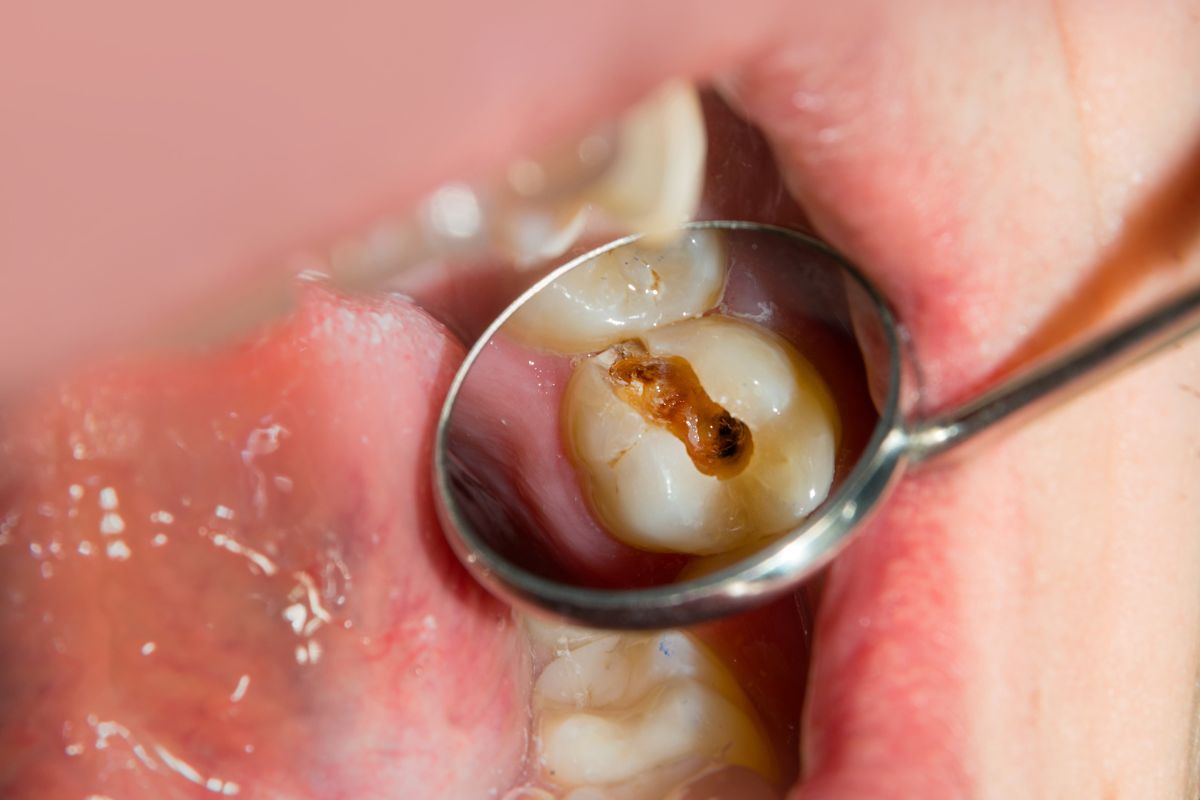
A tooth infection, also known as a dental abscess, occurs when bacteria invade the inner parts of the tooth, particularly the dental pulp. The dental pulp contains nerves, blood vessels, and connective tissue that help the tooth develop. When bacteria reach the pulp through decay, cracks, or gum disease, an infection can occur.
Dental infections can be classified into two main types:

1. Pulpal Infection
This type of infection affects the tooth’s pulp, leading to inflammation, pain, and sometimes necrosis (death of the tissue). Left untreated, the infection can progress to the surrounding bone and gum tissue.
2. Periapical Abscess
A periapical abscess forms at the tip of the tooth root. It is often a result of untreated pulpal infection and can cause swelling, severe pain, and sensitivity. The abscess may eventually spread to the jawbone or other parts of the body if ignored.
Common Symptoms of an Infected Tooth
Recognizing the signs of an infected tooth can help you seek treatment before complications arise. Symptoms may vary in intensity and may include:
Tooth Pain and Sensitivity
Persistent tooth pain, especially when biting or chewing, is one of the most common symptoms. The tooth may also be sensitive to hot or cold temperatures.
Swelling and Redness
Gum swelling, redness, or tenderness near the affected tooth often accompanies infection. In severe cases, the face or jaw may swell.
Pus or Discharge
A dental abscess may produce pus, which can sometimes drain into the mouth or through the gums, leading to a bad taste or odor.
Fever and Fatigue
Systemic symptoms such as fever, chills, or general fatigue can occur when the infection begins to affect the body beyond the tooth.
Swollen Lymph Nodes
The lymph nodes in the neck and jaw may become tender or enlarged as the body attempts to fight the infection.
Consequences of Ignoring an Infected Tooth
Delaying treatment for a tooth infection can result in increasingly severe complications. Here’s what can happen if you ignore the problem:
1. Worsening Pain
As the infection spreads deeper into the tooth and surrounding tissues, the pain often intensifies. This can interfere with eating, speaking, and daily life.
2. Tooth Loss
An untreated infection can destroy the tooth’s structure and supporting bone. Eventually, the tooth may become unsalvageable and require extraction.
3. Spread of Infection
Dental infections can spread to nearby teeth, gums, and jawbone. In rare cases, the infection can enter the bloodstream, causing sepsis—a life-threatening condition.
4. Bone Loss and Jaw Damage
Chronic infection can lead to the breakdown of jawbone tissue surrounding the tooth. Bone loss can complicate future dental treatments, such as implants, and may result in permanent changes to facial structure.
5. Formation of a Dental Cyst
A cyst can form at the root of an infected tooth. While some cysts are painless, they can grow over time and damage surrounding teeth and bone, sometimes requiring surgical removal.
6. Systemic Health Issues
Research has linked chronic oral infections to systemic health problems, including cardiovascular disease, diabetes complications, and respiratory infections. Ignoring dental infections can increase the risk of these conditions.
Treatment Options for an Infected Tooth
Fortunately, modern dentistry offers several effective treatments for infected teeth. Early intervention improves outcomes and can save the tooth.
1. Root Canal Therapy
Root canal treatment is the most common method for saving an infected tooth. The procedure involves removing infected pulp, cleaning the root canals, and sealing the tooth. A crown is often placed afterward to restore strength and function.
2. Antibiotics
In some cases, dentists may prescribe antibiotics to control the infection before definitive treatment. Antibiotics alone are not a permanent solution; the underlying issue must still be addressed.
3. Tooth Extraction
If the tooth is too damaged to save, extraction may be necessary. After extraction, options for replacement include dental implants, bridges, or partial dentures.
4. Incision and Drainage
For severe abscesses with significant swelling, an incision may be made to drain pus and relieve pressure. This procedure is typically followed by root canal treatment or extraction.
How to Prevent Tooth Infections
Preventing tooth infections is always preferable to treating them. Effective oral care and regular dental visits play a key role in prevention.
Maintain Good Oral Hygiene
Brushing twice daily with fluoride toothpaste and flossing regularly removes plaque and reduces the risk of cavities that can lead to infection.
Schedule Regular Dental Checkups
Routine dental exams allow early detection of decay, cracks, or other problems before they become serious infections.
Avoid Chewing Hard Objects
Biting ice, hard candy, or other hard substances can damage teeth and create pathways for bacteria to enter.
Treat Dental Issues Promptly
Cavities, cracked teeth, and gum disease should be addressed as soon as possible to prevent infections from developing.
When to Seek Emergency Dental Care
An infected tooth can quickly become a serious problem. Seek immediate care if you experience:
Severe tooth pain that worsens rapidly
Swelling of the face or jaw
Fever or chills
Difficulty breathing or swallowing
Pus draining from the tooth or gums
Prompt treatment can prevent life-threatening complications and increase the likelihood of saving the affected tooth.
Conclusion
Ignoring an infected tooth is a serious risk that can lead to worsening pain, tooth loss, and systemic health problems. Tooth infections often begin as a minor issue but can progress rapidly if left untreated.
Modern dental treatments, including root canal therapy, antibiotics, and tooth restoration, can save infected teeth and restore oral health. Early diagnosis and timely intervention are key to preventing complications.
Maintaining good oral hygiene, attending regular dental checkups, and addressing dental problems promptly can protect your teeth, prevent infections, and ensure a healthy, pain-free smile for years to come.