

Why Regular Dental Checkups Matter More Than You Think
Many people only visit the dentist when they experience tooth pain, sensitivity, or another noticeable problem. However, regular dental checkups are one of the most important steps you can take to protect your oral health and maintain a healthy smile. Preventive dental care allows your dentist to detect issues early, provide professional cleaning, and help you avoid more complicated dental treatments in the future.
Your teeth and gums are constantly exposed to bacteria, food particles, and daily habits that can affect your oral health. Even with excellent brushing and flossing, some dental problems can develop without obvious warning signs. Regular dental checkups provide the professional care and monitoring needed to keep your smile strong and healthy.

What Happens During a Regular Dental Checkup?
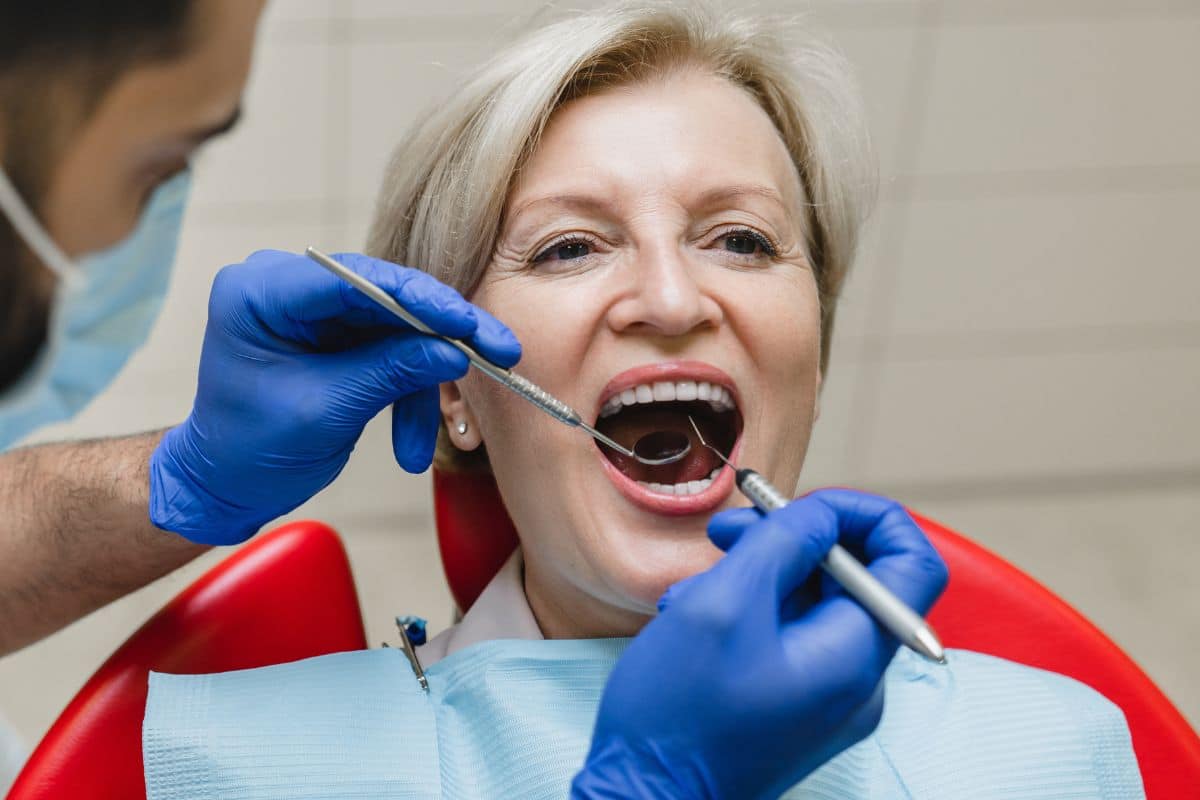
A dental checkup is more than just a quick look at your teeth. During your appointment, your dentist performs a detailed examination to evaluate your overall oral health and identify any potential concerns.
A typical dental visit may include checking for cavities, examining your gums, assessing your bite, reviewing your oral hygiene habits, and discussing any changes you have noticed. Your dentist may also recommend dental X-rays when necessary to identify issues that are not visible during a visual examination.
Professional Teeth Cleaning and Plaque Removal
One of the most important parts of a routine dental appointment is professional teeth cleaning. While brushing and flossing at home are essential, plaque and tartar can still build up in areas that are difficult to clean.
A dental professional can remove hardened tartar and polish your teeth, helping reduce your risk of cavities and gum disease. Regular cleanings also help keep your smile looking brighter and your mouth feeling fresh.
Early Detection Helps Prevent Serious Dental Problems
One of the biggest benefits of regular dental checkups is early detection. Many dental conditions begin with small changes that may not cause pain or discomfort right away.
A small cavity, early gum inflammation, or minor enamel damage can often be treated more easily when discovered early. Without regular dental visits, these issues may progress and require more extensive procedures.
Finding Cavities Before They Become Painful
Tooth decay can develop beneath the surface of your teeth before symptoms appear. Regular dental examinations allow your dentist to identify early signs of decay and recommend appropriate treatment.
Treating cavities in their early stages can help preserve more of your natural tooth structure and prevent discomfort caused by advanced decay.
Preventing Gum Disease
Gum disease is a common oral health condition that can affect people of all ages. It begins when plaque bacteria cause inflammation around the gums.
Early signs may include red gums, swelling, or bleeding while brushing. If left untreated, gum disease can progress and potentially lead to tooth loss.
Regular dental checkups allow your dentist to monitor your gum health, remove harmful buildup, and provide advice to help prevent periodontal problems.
Regular Dental Visits Support Your Overall Health
Your oral health is closely connected to your overall health. The condition of your teeth and gums can influence your comfort, confidence, and general wellbeing.
Maintaining healthy teeth and gums allows you to eat comfortably, speak clearly, and enjoy everyday activities without dental discomfort. Regular dental care also gives your dentist the opportunity to identify oral health changes that may require further attention.
The Connection Between Oral Health and General Wellness
Research has shown that oral health is an important part of overall health. Conditions affecting the mouth, such as gum inflammation and infection, can have an impact beyond your teeth and gums.
By maintaining regular dental appointments and practising good oral hygiene, you support both your smile and your long-term health.
How Often Should You Have a Dental Checkup?
The recommended frequency of dental visits can vary depending on your individual oral health needs. Many people benefit from visiting their dentist every six months for routine examinations and cleanings.
However, some patients may need more frequent appointments due to factors such as a history of gum disease, frequent cavities, orthodontic treatment, medical conditions, or lifestyle habits.
Your Dentist Can Create a Personalised Care Plan
Every smile is different, which is why your dental care schedule should be based on your specific needs. Your dentist can recommend how often you should visit and provide guidance on maintaining your oral health between appointments.
A personalised approach helps ensure that potential problems are monitored and treated at the right time.
Common Reasons People Avoid Dental Checkups
Despite the importance of routine dental care, many people delay or avoid visiting the dentist. Common reasons include fear of dental treatment, busy schedules, cost concerns, or the belief that appointments are unnecessary if there is no pain.
However, avoiding regular checkups can allow small dental issues to develop into larger problems. Preventive care is designed to identify concerns early and help you maintain your smile with less invasive treatment.
Dental Anxiety and Routine Care
Dental anxiety is common, but modern dental practices offer many ways to make appointments more comfortable. Communicating your concerns with your dentist allows the dental team to provide support and explain each step of your treatment.
Regular visits can also help build familiarity and confidence, making future appointments easier.
Signs You Should Schedule a Dental Appointment
While routine checkups are important, certain symptoms should not be ignored. Contact your dentist if you experience:
- Persistent tooth pain
- Sensitivity to hot or cold foods and drinks
- Bleeding or swollen gums
- Loose teeth
- Persistent bad breath
- Changes in your bite
- Cracked, chipped, or damaged teeth
These signs may indicate an underlying dental issue that requires professional attention.
How to Maintain Your Oral Health Between Dental Visits
Regular dental checkups are essential, but your daily habits play a major role in keeping your smile healthy between appointments.
Brush and Floss Consistently
Brush your teeth twice daily with fluoride toothpaste and floss once a day to remove plaque from areas your toothbrush cannot reach.
Choose Tooth-Friendly Foods
A balanced diet supports strong teeth and healthy gums. Limit sugary foods and drinks, and choose foods rich in essential nutrients such as calcium and vitamins.
Drink Plenty of Water
Water helps rinse away food particles, supports saliva production, and protects your teeth from harmful acids. Choosing water instead of sugary drinks is a simple way to support better oral health.
Conclusion: Make Regular Dental Checkups a Priority
Regular dental checkups matter more than many people realise because they help prevent problems, protect your smile, and support your overall health. Dental care is not only about treating issues when they appear; it is about taking proactive steps to keep your teeth and gums healthy for life.
By scheduling routine dental appointments, maintaining good oral hygiene habits, and following your dentist’s recommendations, you can reduce your risk of dental problems and enjoy a healthier, more confident smile.