

Common Dental Problems and How to Prevent Them
A healthy smile plays an important role in your confidence, comfort, and overall wellbeing. However, many people experience dental problems at some point in their lives. Issues such as tooth decay, gum disease, tooth sensitivity, and bad breath are common concerns that can affect people of all ages.
The good news is that many common dental problems can be prevented with consistent oral hygiene habits, regular dental checkups, and healthy lifestyle choices. Understanding the causes of these issues and knowing how to protect your teeth can help you maintain a strong, healthy smile for the future.
Why Preventing Dental Problems Is Important

Preventive dental care focuses on stopping problems before they become more serious. Small dental issues that are ignored can develop into painful conditions that require more complex treatments.
Regular brushing, flossing, professional dental cleanings, and routine dental examinations allow you to protect your teeth and gums while identifying potential problems early. Prevention not only supports better oral health but can also save time, money, and discomfort in the long term.
1. Tooth Decay and Cavities
Tooth decay is one of the most common dental problems worldwide. Cavities develop when bacteria in the mouth feed on sugars from food and drinks, creating acids that attack tooth enamel.
Over time, repeated acid attacks can weaken the enamel and create holes or damage in the tooth surface. If untreated, cavities can become larger and may lead to tooth pain, infection, or the need for more extensive dental treatment.
How to Prevent Tooth Decay
You can reduce your risk of cavities by following good oral hygiene practices, including:
- Brushing your teeth twice daily with fluoride toothpaste
- Flossing daily to remove plaque between teeth
- Limiting sugary foods and drinks
- Drinking plenty of water
- Visiting your dentist regularly for checkups
Professional dental cleanings also help remove plaque and tartar buildup that cannot be completely removed through brushing alone.
2. Gum Disease
Gum disease is another common dental problem caused by the buildup of plaque around the gumline. In its early stage, known as gingivitis, gum disease can cause redness, swelling, and bleeding gums.
Without proper treatment, gum disease can progress into periodontitis, a more serious condition that can damage the tissues supporting your teeth and may lead to tooth loss.
How to Prevent Gum Disease
Maintaining healthy gums requires consistent daily care. Effective prevention methods include:
- Brushing along the gumline
- Flossing to remove bacteria between teeth
- Scheduling regular dental cleanings
- Avoiding tobacco products
- Managing health conditions that may affect gum health
Healthy gums are the foundation of a healthy smile, so early prevention and regular monitoring are essential.
3. Tooth Sensitivity
Tooth sensitivity occurs when teeth become uncomfortable or painful when exposed to hot, cold, sweet, or acidic foods and drinks. This sensitivity may happen because of worn enamel, exposed tooth roots, gum recession, or other dental concerns.
While occasional sensitivity is common, ongoing discomfort may indicate an underlying issue that should be checked by a dentist.
How to Reduce Tooth Sensitivity
You can help protect sensitive teeth by:
- Using a soft-bristled toothbrush
- Avoiding aggressive brushing
- Using toothpaste designed for sensitive teeth
- Reducing acidic foods and beverages
- Visiting your dentist for an evaluation
Your dentist can determine the cause of sensitivity and recommend suitable treatment options.
4. Bad Breath
Bad breath, also known as halitosis, is a common dental concern that can affect confidence and social interactions. While certain foods can temporarily cause bad breath, ongoing issues are often linked to bacteria buildup, gum disease, dry mouth, or poor oral hygiene.
How to Prevent Bad Breath
Keeping your mouth clean is one of the best ways to maintain fresh breath. Helpful habits include:
- Brushing your teeth and tongue regularly
- Flossing daily
- Drinking enough water
- Cleaning removable dental appliances properly
- Having regular dental checkups
If bad breath continues despite good oral hygiene, your dentist can help identify the underlying cause.
5. Tooth Erosion
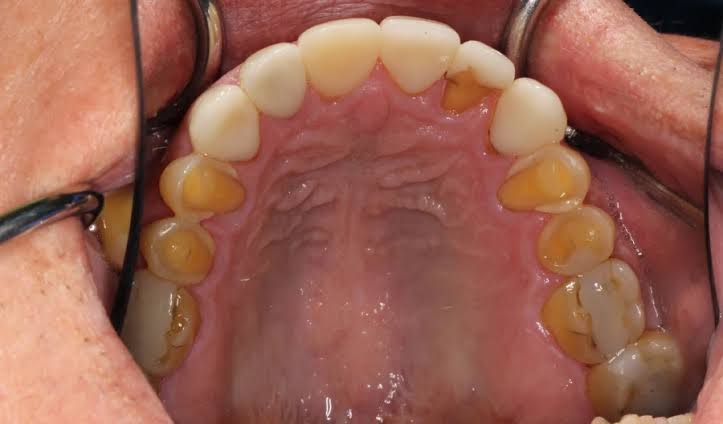
Tooth erosion occurs when acids gradually wear away the protective enamel layer of your teeth. Acid exposure can come from acidic foods, drinks, stomach acid, or certain lifestyle habits.
Because enamel does not grow back naturally, protecting your tooth enamel is important for maintaining long-term dental health.
How to Prevent Tooth Erosion
Protect your enamel by:
- Limiting acidic drinks such as soft drinks and sports drinks
- Rinsing your mouth with water after acidic foods
- Waiting before brushing after consuming acidic items
- Using fluoride toothpaste
Your dentist can provide additional recommendations based on your oral health needs.
6. Cracked or Chipped Teeth
Teeth can become cracked or chipped due to injuries, biting hard objects, teeth grinding, or weakened enamel. Even small cracks can cause sensitivity or allow bacteria to enter the tooth.
How to Protect Your Teeth
Prevent dental damage by:
- Wearing a mouthguard during contact sports
- Avoiding chewing ice or hard objects
- Using protective treatments if recommended by your dentist
- Addressing teeth grinding issues
Early attention to damaged teeth can prevent further complications.
7. Teeth Grinding
Teeth grinding, also called bruxism, involves clenching or grinding your teeth, often during sleep. Over time, this habit can cause tooth wear, jaw discomfort, headaches, and increased sensitivity.
How to Manage Teeth Grinding
If you grind your teeth, your dentist may recommend solutions such as a custom mouthguard to protect your teeth while you sleep. Managing stress, improving sleep habits, and identifying triggers may also help reduce grinding.
The Importance of Regular Dental Checkups
Regular dental visits are one of the most effective ways to prevent common dental problems. During a dental examination, your dentist can identify early signs of cavities, gum disease, enamel damage, and other concerns.
Professional cleanings remove plaque and tartar buildup while allowing your dental team to provide personalised advice for maintaining your oral health.
How Often Should You Visit the Dentist?
Many people benefit from visiting their dentist every six months, although your recommended schedule may vary depending on your individual needs. People with a higher risk of dental problems may require more frequent appointments.
Conclusion: Protect Your Smile Through Prevention
Common dental problems such as cavities, gum disease, tooth sensitivity, and bad breath can often be prevented with the right care and attention. Building strong oral hygiene habits, making healthy lifestyle choices, and visiting your dentist regularly are essential steps toward maintaining a healthier smile.
Prevention is always better than waiting for dental problems to become painful or complex. By taking care of your teeth and gums every day, you can protect your oral health and enjoy a confident smile for many years to come.