

What Happens If You Skip Your Regular Dental Cleaning?
Regular dental cleaning is an important part of maintaining healthy teeth and gums. Even if you brush twice a day and floss regularly, plaque and tartar can accumulate in areas that are difficult to clean at home. Visiting your dentist for a professional dental cleaning helps remove these deposits and allows your dental professional to monitor your oral health.
However, busy schedules, dental anxiety, or the belief that your teeth are healthy may cause you to postpone your next appointment. While missing one dental cleaning may not immediately cause a problem, regularly skipping professional dental cleaning can increase your risk of developing oral health issues.
So, what happens if you skip your regular dental cleaning? Here are seven potential consequences and why keeping up with preventive dental care matters.
1. Plaque Can Build Up on Your Teeth
Plaque is a sticky film containing bacteria that forms on your teeth throughout the day. When you eat or drink, bacteria in plaque can use sugars to produce acids that contribute to tooth decay. Brushing and flossing help remove plaque, but some deposits can remain in hard-to-reach areas.
Why Is Plaque Removal Important?
If plaque is not removed regularly, it can accumulate around the gumline and between your teeth. Over time, this buildup may contribute to cavities, gum inflammation, and other oral health problems.
Professional dental cleaning helps remove plaque from areas that may be difficult to clean thoroughly at home. By maintaining regular dental appointments and following a consistent oral hygiene routine, you can help reduce plaque buildup and protect your teeth.
2. Tartar Can Harden on Your Teeth
One of the main consequences of skipping professional dental cleaning is the buildup of tartar, also known as dental calculus. Tartar forms when plaque hardens on the surface of your teeth. It commonly develops near the gumline and between teeth.
Can You Remove Tartar at Home?
Unlike soft plaque, hardened tartar cannot be effectively removed with a toothbrush or dental floss. Attempting to scrape it off yourself may damage your teeth or gums.
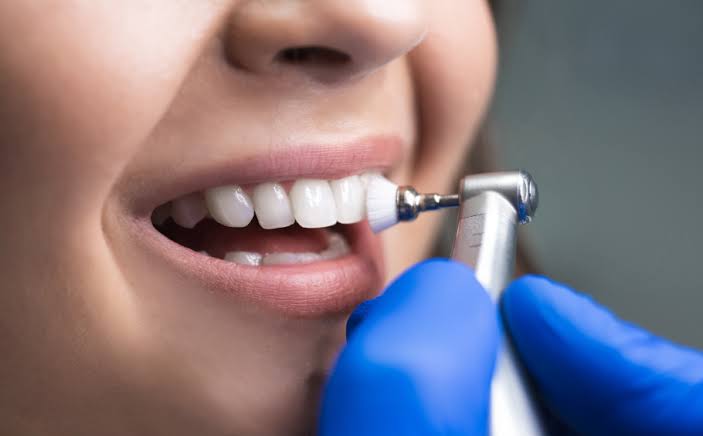
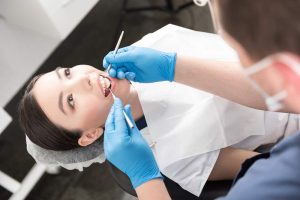
A dentist or dental hygienist uses specialised instruments to remove tartar safely during a professional scale and clean. If you delay your dental cleaning appointments, tartar may continue to accumulate, making professional removal increasingly important.
Regular dental cleaning helps manage tartar buildup and supports healthier teeth and gums.
3. Your Risk of Gum Disease May Increase
Gum disease is a common oral health condition associated with plaque and tartar buildup. When bacteria accumulate around your gums, they can trigger inflammation, causing the gums to become red, swollen, or prone to bleeding.
Early Signs of Gum Disease to Watch For
Early gum disease, known as gingivitis, may cause bleeding when brushing or flossing, persistent bad breath, and tender or swollen gums.
If gingivitis is not managed, it can progress to periodontitis in some people. This more advanced form of gum disease can damage the tissues and bone supporting your teeth, potentially leading to loose teeth or tooth loss.
Skipping regular dental cleaning does not automatically mean you will develop gum disease, but it can make plaque and tartar harder to manage. Routine dental examinations and professional cleaning can help prevent or manage early gum problems. If periodontitis has developed, additional periodontal treatment may be necessary.
4. You May Develop Cavities and Tooth Decay
Tooth decay occurs when acids produced by bacteria gradually weaken the enamel covering your teeth. Over time, this process can create cavities that may require dental treatment.
How Regular Dental Cleaning Supports Cavity Prevention
Professional dental cleaning removes plaque and tartar deposits that contribute to an unhealthy oral environment. During a dental check-up, your dentist can also examine your teeth for signs of decay and recommend appropriate preventive care.
If you regularly skip dental visits, early signs of tooth decay may go unnoticed until you experience symptoms such as tooth sensitivity or pain. However, cavities can also develop without obvious symptoms in their early stages.
Dental cleaning alone cannot prevent every cavity. Brushing twice daily with fluoride toothpaste, cleaning between your teeth, limiting frequent sugary snacks, and attending dental check-ups all play important roles in reducing your risk.
5. Bad Breath May Become More Noticeable
Persistent bad breath, also called halitosis, can develop for several reasons, including bacteria, food particles, dry mouth, and gum disease. When plaque and tartar accumulate, they can contribute to unpleasant odours in the mouth.
How Professional Dental Cleaning Can Help
A professional dental cleaning removes plaque and tartar deposits that may harbour odour-producing bacteria. Your dentist can also assess your gums and identify possible oral health issues contributing to bad breath.
To help maintain fresh breath between dental appointments, brush twice daily, clean between your teeth every day, and gently clean your tongue. Drinking enough water can also help prevent dry mouth.
If bad breath continues despite good oral hygiene and professional cleaning, consult your dentist to investigate other possible causes.
6. Your Teeth May Look Less Clean and Bright
Skipping dental cleaning appointments can allow surface stains and tartar to accumulate on your teeth. Coffee, tea, red wine, and tobacco products can contribute to staining, while tartar may appear yellow or brown.
Can Skipping Dental Cleaning Affect Your Smile?
When plaque hardens into tartar, it can create rough, discoloured deposits that cannot be removed effectively through brushing alone. This may make your teeth appear less clean and affect the overall appearance of your smile.
Professional scale and polish treatments help remove tartar and some external stains, leaving your teeth feeling smoother and looking cleaner.
Dental cleaning is not the same as teeth whitening, which is designed to lighten the colour of natural teeth. If you are concerned about discolouration, your dentist can recommend suitable options based on your oral health.
7. Small Dental Problems May Go Undetected
Regular dental appointments provide an opportunity for your dentist to examine your teeth, gums, and other oral tissues. These visits can help identify potential problems before they become more complicated.
Why Are Routine Dental Check-Ups Important?
During a dental examination, your dentist may identify early signs of cavities, gum disease, worn fillings, damaged teeth, or other oral health concerns. Dental X-rays may also be recommended when clinically necessary to assess areas that cannot be fully examined visually.
When you skip regular dental visits, some conditions may remain undetected until they cause noticeable symptoms. By that stage, treatment may be more involved.
Although dental check-ups cannot prevent every oral health problem, they help your dentist monitor changes over time and recommend appropriate treatment when needed.
How Often Should You Get a Professional Dental Cleaning?
The ideal frequency for professional dental cleaning depends on your individual oral health needs. Many people benefit from appointments every six months, while others may require more frequent visits.
Patients with gum disease, a history of heavy tartar buildup, or other risk factors may benefit from a personalised cleaning schedule recommended by their dentist.
How to Maintain Healthy Teeth Between Appointments
To help keep your teeth and gums healthy between professional dental cleanings:
Brush your teeth twice daily for two minutes with fluoride toothpaste.
Clean between your teeth daily using dental floss or interdental brushes.
Limit frequent consumption of sugary foods and drinks.
Drink water regularly and maintain a balanced diet.
Avoid smoking and other tobacco products.
Attend dental check-ups and professional cleaning appointments as recommended.
These habits help control plaque buildup and support long-term oral health.
Book Your Next Dental Cleaning Appointment
Skipping your regular dental cleaning may seem harmless, especially if your teeth feel fine. However, plaque and tartar can build up over time, increasing the risk of gum disease, tooth decay, bad breath, and visible staining. Skipping dental visits can also mean missing opportunities to identify oral health problems early.
The good news is that maintaining a consistent preventive dental care routine can help protect your teeth and gums. Professional dental cleaning, combined with daily brushing, flossing, and regular dental examinations, plays an important role in keeping your smile healthy.
If you have missed your last dental appointment, consider contacting your dentist to discuss your oral health needs and determine when you should schedule your next scale and clean.
Book your professional dental cleaning today and take a positive step towards maintaining healthier teeth and gums.