

Can Professional Teeth Cleaning Prevent Gum Disease?
Healthy gums are essential for maintaining strong teeth and a healthy smile. However, plaque and bacteria can accumulate around your teeth and gumline, potentially leading to gum inflammation and other oral health problems. While brushing and flossing daily are important, they may not remove all the plaque and tartar that build up over time.
This is where professional teeth cleaning can help. Regular dental cleaning appointments allow your dentist or dental hygienist to remove stubborn deposits, assess your gum health, and recommend appropriate preventive care.
But can professional teeth cleaning prevent gum disease? The answer is that it can play an important role in preventing and managing early gum problems, particularly when combined with good oral hygiene at home. Understanding how dental cleaning works can help you protect your gums and maintain a healthier smile.
What Is Gum Disease?
Gum disease is a common oral health condition caused primarily by the buildup of plaque bacteria around the teeth and gums. It can develop gradually, and early symptoms may be easy to overlook.
If left unmanaged, gum disease can progress from mild gum inflammation to a more serious condition that damages the tissues and bone supporting your teeth.
What Causes Gum Disease?
Plaque is a sticky film of bacteria that forms naturally on your teeth throughout the day. When plaque is not removed effectively through brushing and cleaning between your teeth, it can accumulate around the gumline.
Over time, plaque can harden into tartar, also known as dental calculus. Tartar provides a rough surface where additional plaque can collect and cannot be removed effectively with a regular toothbrush.
Other factors, including smoking, diabetes, certain medications, and a history of gum disease, can also influence your risk of developing gum problems.
Common Signs of Gum Disease
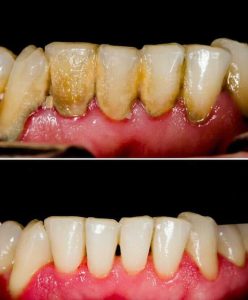
Recognising the early warning signs of gum disease can help you seek dental care before the condition becomes more advanced.
Common symptoms include:
Red, swollen, or tender gums.
Gums that bleed when brushing or flossing.
Persistent bad breath.
Gums that appear to be pulling away from the teeth.
Teeth that feel loose in more advanced cases.
If you notice these symptoms, arrange a dental appointment for an assessment. Bleeding gums are not something you should routinely ignore, even if they do not cause pain.
How Does Professional Teeth Cleaning Help Prevent Gum Disease?
Professional teeth cleaning is an important part of preventive dental care. During a routine scale and clean, your dentist or dental hygienist removes plaque, tartar, and certain surface stains from your teeth.
These deposits can accumulate in areas that are difficult to clean thoroughly at home, particularly around the gumline and between teeth.
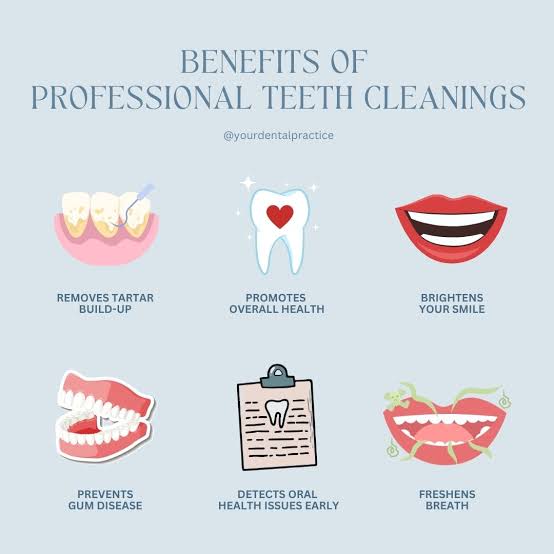
1. Removes Plaque and Tartar Buildup
One of the main benefits of professional teeth cleaning is the removal of hardened tartar. Although brushing and flossing help control plaque, they cannot effectively remove tartar once it has formed.
By removing these deposits, your dental professional helps reduce the buildup of bacteria that can irritate your gums.
Regular professional cleaning, combined with consistent oral hygiene at home, can help maintain healthier gums and reduce the risk of gingivitis.
2. Reduces Gum Inflammation
When plaque accumulates around the gumline, the surrounding gum tissue can become inflamed. This early stage of gum disease is known as gingivitis.
Symptoms may include redness, swelling, tenderness, and bleeding during brushing or flossing.
Professional dental cleaning removes plaque and tartar that contribute to gum irritation. With effective daily oral hygiene, early gingivitis can often improve. Your dentist may also recommend additional treatment depending on the severity of the inflammation.
3. Helps Prevent Gum Disease From Progressing
If gingivitis is not managed, it can progress to periodontitis in some people. Periodontitis is a more serious form of gum disease that affects the tissues and bone supporting the teeth.
Professional cleaning and regular dental examinations help your dentist monitor changes in your gum health and identify problems that may require further treatment.
It is important to understand that a routine scale and clean may not be sufficient once periodontitis has developed. Depending on your condition, your dentist may recommend periodontal treatment, such as a deeper cleaning beneath the gumline.
Is Professional Teeth Cleaning Enough to Prevent Gum Disease?
Although professional teeth cleaning plays an important role in gum disease prevention, it is not enough on its own. Healthy gums depend on a combination of professional dental care and consistent daily oral hygiene.
The Importance of Brushing and Flossing
Plaque begins to form again after your dental cleaning, which is why daily cleaning is essential.
To help maintain healthy gums:
Brush your teeth twice daily for two minutes using fluoride toothpaste.
Clean between your teeth every day using dental floss or interdental brushes.
Follow your dentist’s advice on cleaning around dental restorations or orthodontic appliances.
Avoid smoking and other tobacco products.
Attend dental check-ups and professional cleaning appointments as recommended.
These habits help control plaque between visits and support the long-term health of your gums.
Why Individual Dental Care Matters
Everyone has different oral health needs. Some people accumulate tartar more quickly than others, while patients with a history of gum disease may require closer monitoring.
Your dentist can assess your gums, identify risk factors, and recommend a professional cleaning schedule suited to your needs.
People with established gum disease may need ongoing periodontal maintenance rather than routine cleaning alone.
How Often Should You Get Professional Teeth Cleaning?
Many people benefit from professional teeth cleaning approximately every six months. However, this is not a universal rule, and the ideal frequency depends on your oral health.
Factors That May Affect Your Cleaning Schedule
Your dentist may recommend more frequent appointments if you have:
A history of gum disease or periodontal treatment.
Significant plaque or tartar buildup.
Persistent gum inflammation or bleeding.
Risk factors that make gum disease more likely.
Difficulty maintaining effective oral hygiene at home.
Regular dental examinations help determine whether your current cleaning schedule is appropriate or needs to be adjusted.
If it has been a long time since your last dental appointment, your dentist can assess your gum health and recommend the next steps.
Can Professional Teeth Cleaning Reverse Gum Disease?
The answer depends on the stage of gum disease.
Professional Cleaning for Gingivitis
Gingivitis is the earliest stage of gum disease and does not involve the bone loss associated with periodontitis. Removing plaque and tartar, alongside improving daily oral hygiene, can often help the gums return to a healthier state.
Your dentist may also provide personalised advice on brushing technique and cleaning between your teeth.
Treatment for Advanced Gum Disease
Periodontitis causes damage to the structures supporting your teeth and requires professional assessment and treatment. A routine scale and clean may not reach the deposits located deep beneath the gums.
Treatment may involve scaling and root planing, also known as a deep cleaning, followed by ongoing periodontal maintenance. The exact approach depends on the severity of the disease.
Early assessment is important because treatment can help control the condition and reduce the risk of further damage.
Book Your Professional Teeth Cleaning Appointment
Professional teeth cleaning can play a valuable role in preventing gum disease by removing plaque and tartar, reducing gum irritation, and helping your dentist monitor your oral health. However, maintaining healthy gums also requires daily brushing, cleaning between your teeth, and regular dental check-ups.
If you notice bleeding gums, persistent bad breath, swelling, or other changes in your oral health, do not wait for the symptoms to worsen. A dental professional can assess your gums and recommend suitable treatment.
Book your professional teeth cleaning appointment today to help protect your gums, maintain healthy teeth, and support your long-term oral health.
With consistent preventive dental care and personalised advice from your dentist, you can take positive steps towards maintaining a healthier smile.