

What Happens If Plaque Is Left on Your Teeth?
Dental plaque is a natural part of life, but leaving plaque on your teeth for long periods can lead to a range of oral health problems. Plaque is a sticky film containing bacteria that continuously forms on teeth. When it is not removed through regular brushing and cleaning between the teeth, it can contribute to tooth decay, tartar buildup, bad breath and gum disease.
Understanding what happens when plaque is left on your teeth can help you recognise the importance of daily oral hygiene. While plaque itself can usually be removed at home, hardened plaque, known as tartar, requires professional dental cleaning.
What Is Dental Plaque?
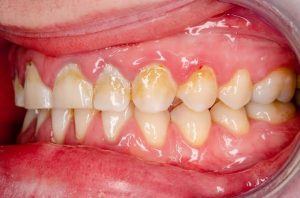
Dental plaque is a soft, sticky film that develops on the surfaces of your teeth. It contains bacteria, saliva and substances from food and drinks. Plaque can form on the front and back of your teeth, between teeth and around the gumline.
Plaque begins forming soon after you clean your teeth. Because it develops continuously, brushing once or twice a week is not enough to keep it under control. A consistent oral hygiene routine is necessary to remove plaque before it accumulates.
Why Does Plaque Form?
Bacteria naturally live in your mouth. When you consume foods and drinks containing sugars and carbohydrates, some bacteria can use these substances as an energy source.
The bacteria can produce acids that affect tooth enamel. This is one reason why frequent consumption of sugary foods and drinks can increase the risk of tooth decay when combined with inadequate plaque removal.
What Happens If Plaque Is Left on Your Teeth?
If plaque is not removed regularly, it can become increasingly established on your teeth. This can create an environment where bacteria continue to interact with food particles and produce substances that affect your teeth and gums.
Several problems can develop when plaque is allowed to remain on the teeth.
1. Plaque Can Turn Into Tartar
One of the first concerns with leaving plaque on your teeth is that it can harden into tartar, also known as dental calculus.
Minerals naturally present in saliva can cause plaque to become mineralised and firmly attached to the tooth surface. Once tartar forms, brushing and flossing cannot generally remove it effectively.
Why Tartar Can Be a Problem
Tartar creates a rough surface that can encourage additional plaque accumulation. It can also develop around the gumline, making it more difficult to keep the area clean.
Professional dental cleaning is usually required to remove tartar safely and effectively.
2. Plaque Can Cause Cavities
Leaving plaque on your teeth can increase your risk of tooth decay. Certain bacteria in plaque produce acids when they break down sugars and carbohydrates.
These acids can repeatedly attack tooth enamel. Over time, frequent acid exposure can weaken enamel and contribute to the development of cavities.
Signs of Tooth Decay
Early tooth decay may not cause noticeable symptoms. As decay progresses, you may experience tooth sensitivity, pain, discomfort when eating or drinking, or visible changes in the tooth.
Regular dental examinations can help identify cavities and other dental problems before they become more advanced.
3. Plaque Can Cause Gingivitis
Plaque buildup along the gumline can irritate the gums and contribute to gingivitis. Gingivitis is an early form of gum disease and is often associated with inflammation of the gum tissue.
Common Signs of Gingivitis
Signs of gingivitis can include:
* Red or swollen gums
* Gums that bleed during brushing or flossing
* Tender or irritated gums
* Persistent bad breath
Taking steps to improve oral hygiene and receiving appropriate dental care can help manage gingivitis.
4. Gum Disease Can Become More Advanced
If plaque and tartar are allowed to accumulate and gum inflammation is not addressed, gum disease can become more serious.
Advanced gum disease can affect the tissues and bone that support the teeth. In severe cases, this can contribute to loose teeth and tooth loss.
Why Early Treatment Matters
Recognising gum problems early can make them easier to manage. If you notice regular gum bleeding, swelling or persistent changes in your gums, arrange an appointment with your dentist.
5. Plaque Can Contribute to Bad Breath
Persistent plaque buildup can contribute to bad breath, also known as halitosis. Bacteria in the mouth can produce compounds that have unpleasant odours.
Although bad breath can have many causes, poor oral hygiene and plaque accumulation are common factors.
How to Improve Plaque-Related Bad Breath
Brushing twice a day, cleaning between your teeth, brushing or cleaning your tongue and staying hydrated can help maintain a cleaner mouth.
If bad breath continues despite good oral hygiene, speak with a dentist to determine whether an underlying dental or health issue could be responsible.
6. Plaque Can Affect the Appearance of Your Teeth
Plaque can make teeth feel rough or fuzzy and may appear as a pale or yellowish film. When plaque hardens into tartar, deposits can become more visible and may appear yellow, brown or darker.
Professional cleaning can help remove tartar and surface buildup, while good daily oral hygiene can help prevent it from returning quickly.
How Long Can Plaque Stay on Your Teeth?
Plaque begins forming soon after teeth are cleaned, so there is no specific point at which plaque suddenly becomes harmful. The important factor is how consistently plaque is removed.
If plaque remains undisturbed, it can become more firmly established and eventually mineralise into tartar. Regular brushing and interdental cleaning help disrupt this process.
The speed at which plaque hardens varies between individuals and can be influenced by factors such as saliva composition, oral hygiene and diet.
How to Remove Plaque From Your Teeth
The best way to manage plaque is to remove it regularly through effective oral hygiene.
Brush Twice a Day
Brush your teeth twice a day for approximately two minutes using fluoride toothpaste. Clean the front, back and chewing surfaces of your teeth and gently brush along the gumline.
Avoid brushing too aggressively, as excessive pressure can irritate your gums or contribute to enamel wear.
Clean Between Your Teeth Daily
Floss or use interdental brushes to clean between your teeth. These areas can collect plaque that a toothbrush cannot reach effectively.
Your dentist can recommend the most suitable interdental cleaning method for your mouth.
Clean Your Tongue
Bacteria can also accumulate on the surface of the tongue. Gently brushing or cleaning your tongue can be incorporated into your daily oral hygiene routine.
Use Fluoride Toothpaste
Fluoride toothpaste helps strengthen tooth enamel and protect against tooth decay. Spit out the toothpaste after brushing rather than immediately rinsing extensively with water, unless your dental professional advises otherwise.
How Can You Prevent Plaque Buildup?
Although plaque cannot be prevented completely, you can reduce its accumulation by maintaining good daily habits.
Limit frequent sugary snacks and drinks, drink plenty of water, brush twice a day and clean between your teeth every day.
Regular dental check-ups are also important. Your dentist can identify plaque-related problems and professionally remove tartar that cannot be cleaned away at home.
When Should You See a Dentist?
You should consider seeing a dentist if you have persistent plaque buildup, visible tartar, bleeding or swollen gums, tooth sensitivity, tooth pain or ongoing bad breath.
A dental professional can examine your teeth and gums, identify potential problems and recommend appropriate treatment.
Do not wait for dental pain before seeking professional care. Some dental problems, including early tooth decay and gum disease, may not cause obvious symptoms at first.
Conclusion
So, what happens if plaque is left on your teeth? Over time, plaque can contribute to tartar formation, cavities, bad breath, gingivitis and more advanced gum disease. The longer plaque remains undisturbed, the more difficult it can become to remove effectively.
The good news is that regular oral hygiene can significantly reduce plaque buildup. Brush your teeth twice a day with fluoride toothpaste, clean between your teeth daily, limit frequent sugary foods and drinks, and attend regular dental check-ups.
If you are experiencing persistent plaque, bleeding gums, visible tartar, tooth pain or other changes in your oral health, speak with a dentist. Professional advice can help you address existing problems and develop an effective routine for maintaining healthy teeth and gums.