

How to Prevent Plaque Buildup Naturally
Dental plaque is a sticky film of bacteria that forms naturally on your teeth throughout the day. While it is impossible to stop plaque from forming completely, you can take simple, natural steps to reduce plaque buildup and support healthier teeth and gums.
Plaque that is not removed regularly can contribute to tartar, cavities, bad breath and gum disease. Fortunately, good oral hygiene, a balanced diet and healthy daily habits can help keep plaque under control. In this guide, we explore how to prevent plaque buildup naturally and maintain better oral health without relying on complicated routines.
What Is Dental Plaque?
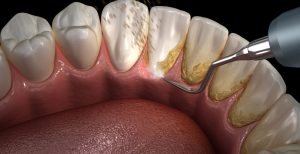
Dental plaque is a soft, sticky layer that forms when bacteria in your mouth combine with saliva and substances from food and drinks. It can develop on the front and back of your teeth, between teeth and around the gumline.
Plaque begins forming shortly after you clean your teeth. Certain bacteria in plaque use sugars and carbohydrates from food and drinks and can produce acids that attack tooth enamel.
If plaque remains on your teeth for an extended period, it can harden into tartar. Unlike soft plaque, tartar usually requires professional dental cleaning to remove.
1. Brush Your Teeth Twice a Day
One of the most effective ways to prevent plaque buildup naturally is to brush your teeth consistently. Brushing physically removes plaque and food particles from tooth surfaces.
Use the Right Brushing Technique
Brush your teeth twice a day for approximately two minutes using a soft-bristled toothbrush and fluoride toothpaste. Gently clean the front, back and chewing surfaces of your teeth, paying particular attention to the gumline.
Avoid brushing aggressively. Applying excessive pressure can irritate your gums and may contribute to tooth wear.
2. Clean Between Your Teeth Every Day
Even thorough brushing cannot reach all areas between your teeth. Plaque can accumulate in these spaces and along the gumline.
Try Floss or Interdental Brushes
Cleaning between your teeth once a day with dental floss or interdental brushes can help remove plaque from hard-to-reach areas.
Choose the method that works best for your teeth and use it consistently. If you are unsure which option is suitable, ask your dentist for advice.
3. Drink Plenty of Water
Water is a simple and natural choice for supporting oral health. Drinking water throughout the day can help rinse away food particles and dilute acids in the mouth.
Choose Water Between Meals
Replacing sugary drinks with water can reduce the amount of sugar available to bacteria in plaque. Water is particularly useful after meals or snacks when brushing may not be immediately practical.
Staying hydrated can also support normal saliva production, which plays an important role in protecting teeth.
4. Reduce Sugary Foods and Drinks
Your diet can have a significant impact on plaque-related dental problems. Bacteria in plaque can use sugars to produce acids that attack tooth enamel.
Limit Frequent Snacking
Rather than frequently eating sugary snacks throughout the day, aim for balanced meals and reduce the number of occasions when your teeth are exposed to sugar.
Foods such as sweets, biscuits, cakes and sugary drinks can contribute to dental problems when consumed frequently. Choosing healthier snacks can help support your overall and oral health.
5. Eat a Balanced, Tooth-Friendly Diet
A balanced diet provides nutrients that support healthy teeth, gums and the rest of your body. While no particular food can magically remove plaque, choosing nutritious foods can form part of a healthy oral care routine.
Choose Nutrient-Rich Foods
Include a variety of vegetables, fruits, whole grains, lean proteins and dairy or suitable alternatives in your diet.
Crunchy fruits and vegetables can also increase chewing and saliva flow, although they should not be considered a replacement for brushing and interdental cleaning.
6. Avoid Smoking and Tobacco Products
Smoking and tobacco use can negatively affect oral health and increase the risk of gum disease. Tobacco can also contribute to staining and other changes in the mouth.
Consider Quitting Tobacco
Stopping smoking is one of the positive steps you can take for your overall health as well as your teeth and gums. If you use tobacco and would like support with quitting, speak with a healthcare professional.
7. Keep Your Mouth From Becoming Dry
Saliva naturally helps protect your teeth by washing away food particles, helping neutralise acids and supporting the mouth’s natural defences.
What Can Help With Dry Mouth?
Drink water regularly and discuss persistent dry mouth with your dentist or healthcare professional. Certain medications and health conditions can affect saliva production, so ongoing symptoms should not be ignored.
Chewing sugar-free gum may also stimulate saliva production for some people. However, it should complement rather than replace regular brushing and interdental cleaning.
8. Clean Your Tongue
The tongue can collect bacteria and food debris. Gently brushing your tongue with a toothbrush or using a tongue cleaner can be included as part of your daily oral hygiene routine.
Why Tongue Cleaning Matters
Keeping your tongue clean can help maintain a fresher mouth and reduce the amount of debris and bacteria present in the oral environment.
Use gentle pressure to avoid irritating the tongue.
9. Rinse Your Mouth With Water After Eating
If you cannot brush your teeth immediately after eating, rinsing your mouth with water can be a simple way to help clear away loose food particles.
Why Water Rinsing Can Help
Rinsing with water can help wash away some food debris and reduce the concentration of sugars and acids in your mouth.
However, rinsing should not replace brushing with fluoride toothpaste and cleaning between your teeth.
10. Visit Your Dentist Regularly
Natural oral care habits are important, but professional dental care remains an essential part of preventing dental problems.
Professional Cleaning and Dental Check-Ups
Your dentist can examine your teeth and gums for signs of plaque-related problems, cavities and gum disease. Professional cleaning can also remove tartar that cannot be removed effectively at home.
Your dentist can recommend how often you should have check-ups and professional cleaning based on your individual oral health needs.
Can You Remove Plaque Naturally Without Brushing?
Although certain habits can support oral health, there is no reliable natural substitute for brushing with fluoride toothpaste and cleaning between your teeth.
Some foods, drinks and home remedies are sometimes promoted as natural plaque removers, but they should not replace established oral hygiene practices. Using abrasive substances or acidic ingredients on your teeth may damage enamel or irritate your gums.
For effective plaque control, combine healthy lifestyle habits with regular brushing and interdental cleaning.
Does Oil Pulling Remove Plaque?
Oil pulling involves swishing edible oil around the mouth for a period of time. It is sometimes promoted as a natural way to improve oral health.
However, oil pulling should not be considered a replacement for brushing, fluoride toothpaste or cleaning between your teeth. If you are considering adding it to your routine, discuss it with your dental professional.
How Long Does It Take for Plaque to Build Up?
Plaque can begin forming soon after you clean your teeth because bacteria are naturally present in the mouth. The amount of plaque that develops varies from person to person.
Regularly removing plaque is more important than trying to prevent it from forming completely. Consistent brushing and interdental cleaning can help stop plaque from accumulating and becoming established.
When Should You See a Dentist?
You should speak with a dentist if you notice persistent plaque buildup, visible tartar, bleeding gums, swollen gums, tooth sensitivity, tooth pain or ongoing bad breath.
These symptoms can have several causes and may indicate an underlying dental problem that requires professional assessment.
Conclusion
Learning how to prevent plaque buildup naturally starts with simple, consistent habits. Drinking water, eating a balanced diet, reducing frequent sugary foods and drinks, avoiding tobacco and maintaining good daily oral hygiene can all support healthier teeth and gums.
However, natural habits should complement rather than replace proven dental care. Brush twice a day with fluoride toothpaste, clean between your teeth every day and attend regular dental check-ups.
Plaque will continue to form naturally, but removing it consistently can help prevent it from hardening into tartar and reduce the risk of cavities, gum disease and other oral health problems. If you have concerns about plaque buildup or your oral health, your dentist can provide personalised advice based on your needs.