

How to Prevent Cavities Before They Start: A Complete Guide to Healthy Teeth
Cavities are one of the most common dental problems affecting children and adults worldwide. The good news is that cavities are largely preventable with the right oral hygiene habits, a healthy diet, and regular dental care. Learning how to prevent cavities before they start can help protect your teeth, reduce dental costs, and maintain a healthy smile for years to come.
Cavities occur when harmful bacteria in your mouth produce acids that damage the protective outer layer of your teeth, known as enamel. Over time, this damage can create small holes or decay in the tooth surface. By understanding the causes of cavities and following effective prevention strategies, you can keep your teeth strong and healthy.
What Causes Cavities?
Cavities develop when bacteria, food particles, and saliva combine to create plaque on your teeth. Plaque is a sticky film that forms throughout the day and contains bacteria that feed on sugars from the foods and drinks you consume.
When these bacteria break down sugar, they release acids that attack tooth enamel. Repeated acid attacks can weaken the enamel and eventually lead to cavities.
Common Factors That Increase Your Risk of Cavities
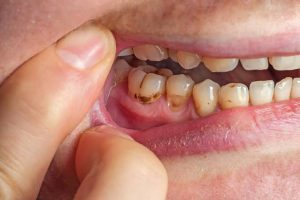
Several habits and conditions can make cavities more likely, including:
- Poor brushing and flossing habits
- Frequent consumption of sugary foods and drinks
- Not visiting the dentist regularly
- Dry mouth caused by medications or health conditions
- Eating frequent snacks throughout the day
- Lack of fluoride exposure
Understanding these risk factors is the first step toward improving your oral health and preventing tooth decay.
Brush Your Teeth Properly Every Day
One of the most effective ways to prevent cavities is maintaining a consistent toothbrushing routine. Brushing removes plaque, bacteria, and food particles before they can damage your teeth.
Dentists generally recommend brushing your teeth twice a day for two minutes each time. Use a soft-bristled toothbrush and fluoride toothpaste to help strengthen enamel and protect against decay.
Tips for Better Toothbrushing
To get the most benefits from brushing, follow these simple tips:
- Hold your toothbrush at a 45-degree angle toward your gum line.
- Use gentle circular motions instead of aggressive scrubbing.
- Brush all surfaces of your teeth, including the front, back, and chewing areas.
- Replace your toothbrush or brush head every three months or when the bristles become worn.
- Do not rush your brushing routine.
Proper brushing techniques help remove plaque effectively and reduce your chances of developing cavities.
Floss Daily to Protect Areas Your Toothbrush Misses
Brushing alone cannot clean every area of your mouth. Food particles and plaque can become trapped between teeth, where cavities often begin. Daily flossing helps remove buildup from these hard-to-reach spaces.
Flossing also helps keep your gums healthy by reducing bacteria that can contribute to gum disease.
How to Make Flossing a Habit
If flossing is not part of your daily routine, start by flossing once a day. Choose a time that works best for you, such as before bedtime. Consistency is more important than perfection.
For people who find traditional floss difficult to use, alternatives such as floss picks or water flossers may make cleaning between teeth easier.
Limit Sugary Foods and Drinks
Sugar is one of the biggest contributors to cavity formation. When you consume sugary foods and drinks, bacteria in your mouth use the sugar to produce acids that weaken tooth enamel.
Reducing your sugar intake can significantly lower your risk of cavities.
Foods and Drinks That Can Harm Your Teeth
Try to limit:
- Soft drinks and sugary beverages
- Candy and sweets
- Sticky snacks that stay on teeth
- Frequent desserts between meals
- Sweetened coffee and tea
Instead, choose tooth-friendly options such as vegetables, dairy products, nuts, and crunchy fruits that support overall oral health.
Drink More Water for Better Oral Health
Water plays an important role in preventing cavities. Drinking water helps wash away food particles, reduces acid levels in the mouth, and supports saliva production.
Saliva is your mouth’s natural defense system. It helps neutralize acids and provides minerals that strengthen tooth enamel.
Why Fluoridated Water Helps Prevent Cavities
Fluoride is a natural mineral that helps repair weakened enamel and makes teeth more resistant to acid attacks. Many communities add fluoride to drinking water because of its proven benefits for reducing tooth decay.
If you do not receive enough fluoride through your water supply, your dentist may recommend additional fluoride treatments.
Visit Your Dentist Regularly
Regular dental checkups are essential for preventing cavities before they become serious problems. Dentists can identify early signs of tooth decay that may not be visible or painful yet.
Professional dental cleanings also remove hardened plaque, known as tartar, which cannot be removed through normal brushing and flossing.
What Happens During a Dental Checkup?
A routine dental visit may include:
- A professional cleaning to remove plaque and tartar
- An examination for cavities and gum problems
- X-rays when needed to detect hidden issues
- Advice on improving your oral hygiene routine
Regular visits allow dental problems to be treated early and help maintain long-term oral health.
Consider Dental Sealants for Extra Protection
Dental sealants are protective coatings applied to the chewing surfaces of back teeth. These areas often contain grooves where food and bacteria can collect, making them more vulnerable to cavities.
Sealants create a barrier that helps prevent bacteria from reaching the tooth surface. They are especially useful for children and teenagers, but adults may also benefit in certain situations.
Maintain Healthy Habits for a Cavity-Free Smile
Preventing cavities requires a combination of good daily habits and professional dental care. Brushing twice a day, flossing regularly, eating a balanced diet, drinking water, and visiting your dentist are all important steps toward protecting your teeth.
Cavities do not have to be an unavoidable part of life. By taking action early and making oral health a priority, you can strengthen your teeth, protect your smile, and reduce your risk of tooth decay.
Final Thoughts
Learning how to prevent cavities before they start is one of the best investments you can make in your overall health. A consistent dental care routine combined with smart lifestyle choices can help keep your teeth healthy and strong for the future.
Start with small changes today, such as improving your brushing technique, reducing sugar intake, and scheduling regular dental checkups. These simple steps can make a lasting difference in preventing cavities and maintaining excellent oral health.