


7 Warning Signs Your Teeth Need More Attention: When to Take Action for Better Oral Health
Your teeth play an important role in your overall health, confidence, and quality of life. While regular brushing and flossing help maintain a healthy smile, your teeth can still develop problems that require extra attention. Recognising the early warning signs of dental issues can help prevent minor concerns from becoming more serious and expensive problems.
Many dental conditions, including cavities, gum disease, enamel erosion, and infections, can be treated more effectively when detected early. Knowing the signs that your teeth need more attention allows you to take action before discomfort and damage increase.
Why Paying Attention to Your Dental Health Matters
Good oral health is about more than having a bright smile. Your teeth and gums are connected to your overall wellbeing, and problems in your mouth can affect your daily life. Tooth pain, difficulty eating, sensitivity, and gum problems can impact your comfort and confidence.
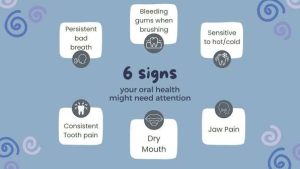
Regular dental care combined with awareness of changes in your mouth is one of the best ways to protect your teeth. If you notice unusual symptoms, it is important not to ignore them, as early treatment can often prevent more complicated dental procedures.
1. Persistent Tooth Pain or Discomfort
One of the most common warning signs that your teeth need more attention is ongoing tooth pain. While occasional discomfort may not always indicate a serious problem, persistent or worsening pain should never be ignored.
Tooth pain can be caused by several issues, including cavities, cracked teeth, damaged fillings, gum infections, or problems with the tooth nerve. A dental professional can identify the cause and recommend the appropriate treatment.
When Tooth Pain Requires Dental Attention
You should consider scheduling a dental appointment if you experience:
- Sharp pain when biting or chewing
- Constant toothaches that do not improve
- Pain that wakes you up at night
- Swelling around the tooth or gums
- Increased sensitivity to hot or cold temperatures
Addressing tooth pain early can help prevent further damage and protect your natural teeth.
2. Increased Tooth Sensitivity
Tooth sensitivity is another common sign that your teeth may need additional care. If you experience discomfort when eating hot, cold, sweet, or acidic foods, it may indicate that your enamel has become weakened or that your gums have started to recede.
Enamel protects the inner layers of your teeth. When enamel wears down or gums expose parts of the tooth normally protected, sensitivity can occur.
Common Causes of Tooth Sensitivity
Tooth sensitivity may be caused by:
- Enamel erosion from acidic foods and drinks
- Aggressive brushing habits
- Gum recession
- Tooth decay
- Cracked or damaged teeth
A dentist can help determine the cause of sensitivity and recommend treatments to reduce discomfort.
3. Bleeding or Swollen Gums
Healthy gums should not regularly bleed during brushing or flossing. If your gums appear swollen, red, tender, or bleed easily, it may be a warning sign of gum disease.
The early stage of gum disease, known as gingivitis, occurs when plaque builds up along the gum line. Without treatment, it can progress into a more serious condition called periodontitis, which can damage the tissues and bones supporting your teeth.
Signs of Gum Problems to Watch For
Pay attention to symptoms such as:
- Bleeding while brushing or flossing
- Gums that appear swollen or irritated
- Persistent bad breath
- Gum recession
- Loose teeth
Maintaining good oral hygiene and receiving professional dental cleanings can help protect your gums.
4. Persistent Bad Breath or Unpleasant Taste
Occasional bad breath is normal, but ongoing bad breath or a constant unpleasant taste in your mouth may indicate an underlying dental issue.
Persistent mouth odour can be caused by bacteria buildup, gum disease, cavities, or trapped food particles between teeth. Improving your brushing and flossing routine may help, but ongoing symptoms should be checked by a dental professional.
How to Improve Bad Breath Caused by Dental Issues
Helpful steps include:
- Brush your teeth and tongue regularly
- Floss daily to remove trapped food
- Drink enough water to support saliva production
- Visit your dentist for regular cleanings
A healthy mouth is one of the most important factors in maintaining fresh breath.
5. Visible Holes, Dark Spots, or Tooth Discolouration
Changes in the appearance of your teeth can be an important warning sign. Dark spots, visible holes, cracks, or unusual discolouration may indicate tooth decay or enamel damage.
Cavities often begin with small changes that may not cause pain immediately. Waiting until a tooth becomes painful can allow decay to progress further.
Signs That May Indicate Tooth Decay
Look for:
- Brown, black, or white spots on teeth
- Small holes or pits in the tooth surface
- Rough areas on your teeth
- Changes in tooth shape or appearance
Regular dental checkups can help identify early decay before it becomes a larger problem.
6. Difficulty Chewing or Changes in Your Bite
If you notice changes in the way your teeth come together when you bite, it may be a sign that your teeth need attention. Difficulty chewing, discomfort while eating, or changes in your bite can be linked to several dental concerns.
Possible causes include worn teeth, damaged fillings, missing teeth, jaw issues, or tooth movement caused by gum problems.
Why Bite Changes Should Not Be Ignored
A healthy bite helps distribute pressure evenly when chewing. When your bite changes, certain teeth may experience extra pressure, increasing the risk of further damage.
A dental examination can help identify the cause and prevent future complications.
7. Loose Teeth or Changes Around Your Teeth
Adult teeth should remain stable. If you notice a loose tooth, movement, or changes in the position of your teeth, it is important to seek dental advice.
Loose teeth can be associated with advanced gum disease, injury, infection, or weakened supporting structures around the tooth.
Protecting Your Teeth From Further Damage
To maintain strong teeth:
- Brush and floss consistently
- Schedule regular dental visits
- Avoid habits that damage teeth, such as chewing hard objects
- Wear protective mouthguards during contact sports
Early attention can help preserve your natural teeth and prevent more serious dental problems.
How Regular Dental Checkups Help Protect Your Smile
Many dental problems develop slowly and may not cause noticeable symptoms in the beginning. Regular dental appointments allow professionals to detect problems early, provide preventive treatments, and help you maintain better oral health.
Professional cleanings remove plaque and tartar that cannot always be eliminated through daily brushing and flossing. Dental examinations can also identify hidden issues before they become painful or require extensive treatment.
Final Thoughts
Knowing the warning signs that your teeth need more attention can help you take control of your oral health. Tooth pain, sensitivity, bleeding gums, bad breath, visible changes, bite problems, and loose teeth should never be ignored.
A healthy smile requires consistent care, including daily brushing, flossing, a balanced diet, and regular dental visits. By responding to early warning signs, you can protect your teeth, prevent complications, and maintain strong oral health for the future.