


How Long Does a Root Canal Last?
Root canal therapy is one of the most effective dental procedures for saving a tooth that is infected, decayed, or damaged. Many patients wonder, “How long does a root canal last?” Understanding the lifespan of a root canal, factors that influence its durability, and tips for long-term care can help you protect your smile and maintain oral health.
In this article, we will explore the expected lifespan of a root canal, what affects its longevity, potential complications, and how to extend the life of a treated tooth.
What Is a Root Canal?
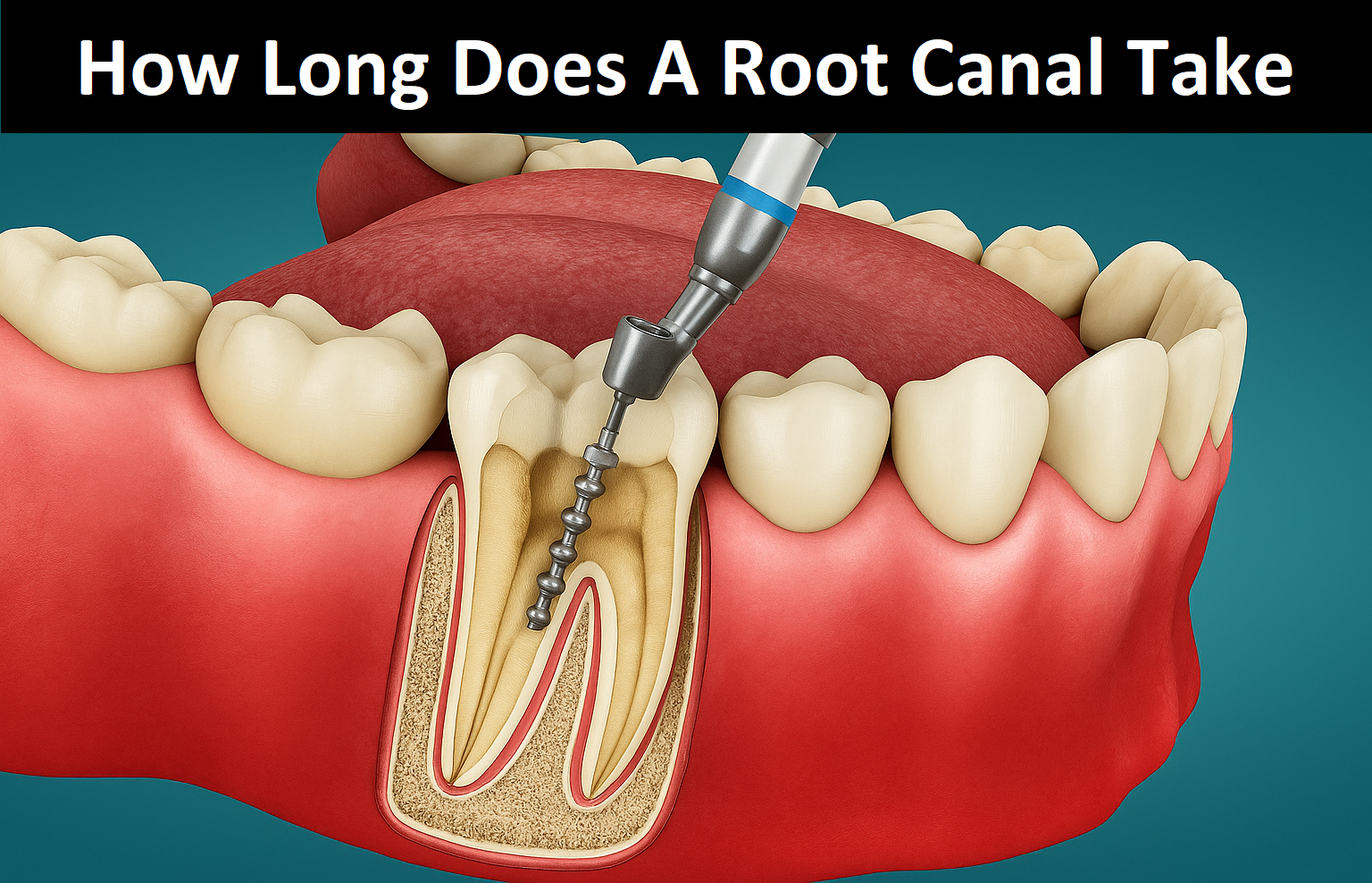
A root canal is a dental procedure that removes infected or inflamed pulp from the inside of a tooth. The pulp contains nerves, blood vessels, and connective tissue, which are essential during tooth development but can become infected due to decay, cracks, or trauma.
Steps in Root Canal Therapy
Diagnosis and X-rays – Dentists assess the tooth and surrounding bone to determine the extent of infection or damage.
Local Anesthesia – The tooth and surrounding area are numbed for a comfortable procedure.
Removal of Pulp – The dentist removes the infected or inflamed pulp from the tooth’s root canals.
Cleaning and Shaping – The empty canals are cleaned, disinfected, and shaped to prepare for filling.
Filling and Sealing – The canals are filled with a biocompatible material, usually gutta-percha, to prevent reinfection.
Restoration – A dental crown or filling is placed to protect the tooth and restore function.
Root canals are designed to save teeth that would otherwise require extraction, maintaining your natural bite and jawbone health.
Average Lifespan of a Root Canal
The longevity of a root canal depends on several factors, including the quality of the procedure, the type of tooth treated, and how well the patient maintains oral health.
Typical Duration
With Proper Care: Root canal-treated teeth can last 15–25 years or even a lifetime in many cases.
Without Proper Care: Teeth may fail sooner due to reinfection, fractures, or decay around the restoration.
Studies show that root canals have a success rate of 85–95%, meaning the majority of treated teeth remain functional for decades with proper follow-up care.
Factors That Affect Root Canal Longevity
Several factors influence how long a root canal lasts:
Tooth Type – Molars, which have multiple canals and endure more chewing pressure, may be more prone to fractures over time compared to front teeth.
Extent of Damage or Infection – Teeth with severe infection or extensive decay may have a slightly reduced lifespan after treatment.
Quality of the Procedure – Proper cleaning, shaping, and sealing of the root canals significantly impact durability.
Restoration Quality – Teeth restored with crowns typically last longer than those with simple fillings because crowns provide better structural support.
Oral Hygiene – Brushing, flossing, and regular dental visits help prevent decay and reinfection around the treated tooth.
Signs That a Root Canal May Be Failing
Although root canals are highly successful, complications can occur. Recognizing early warning signs allows timely intervention and can save the tooth.
Pain or Sensitivity
Persistent pain, especially when chewing or applying pressure, may indicate that the tooth is reinfected or fractured.
Swelling or Redness
Swelling around the treated tooth or gums can signal infection or abscess formation.
Discoloration or Weakening
A darkened tooth or structural changes may suggest underlying issues that need evaluation by a dentist or endodontist.
Loosening of the Tooth
If the tooth feels loose, it may indicate bone loss or severe structural damage, which can compromise the root canal’s longevity.
Root Canal vs Tooth Extraction: Longevity Considerations
Many patients debate whether a root canal or extraction is a better long-term solution. Considering longevity is a key factor.
Preserving the Natural Tooth
Root Canal: Keeps your natural tooth intact, maintaining proper chewing, alignment, and jawbone density.
Extraction: Leads to permanent loss, requiring replacement with dental implants, bridges, or dentures to restore function.
Cost-Effectiveness Over Time
While root canal therapy may have a higher initial cost than extraction, preserving the tooth often reduces long-term expenses related to replacements, bone grafting, or additional dental procedures.
Oral Health Benefits
Keeping a natural tooth after a root canal helps prevent neighboring teeth from shifting, maintains bite alignment, and supports overall jawbone health, contributing to long-term dental stability.
How to Extend the Life of a Root Canal
Proper care and follow-up are essential to ensure your root canal lasts as long as possible.
Regular Dental Checkups
Visiting your dentist regularly allows early detection of any issues with the treated tooth, crown, or surrounding teeth.
Maintain Good Oral Hygiene
Brushing twice daily with fluoride toothpaste and flossing daily helps prevent decay and gum disease that could compromise the tooth.
Avoid Excessive Pressure on the Tooth
Refrain from chewing very hard foods, ice, or non-food objects to prevent fractures of the treated tooth.
Use Protective Devices
If you grind or clench your teeth, a night guard can protect your teeth from stress and extend the life of your root canal.
When Retreatment Is Necessary
Sometimes, a root canal may fail due to reinfection or structural damage. In such cases, endodontists can perform root canal retreatment.
What Retreatment Involves
Removal of the original filling material
Thorough cleaning and disinfection of the canals
Refilling and sealing the tooth
Placing a new restoration, such as a crown
Retreatment can save teeth that might otherwise require extraction, further extending the life of your root canal.
Conclusion
So, how long does a root canal last? With proper care, a root canal can last 15–25 years or even a lifetime, preserving your natural tooth, maintaining jawbone health, and supporting long-term oral function. The lifespan depends on factors such as tooth type, quality of treatment, restoration, and patient oral hygiene habits.
Regular dental visits, good oral hygiene, and protective measures such as crowns or night guards can significantly extend the life of a root canal-treated tooth. By understanding the factors that affect durability and taking preventive steps, patients can enjoy a healthy, pain-free smile for decades. 🦷