


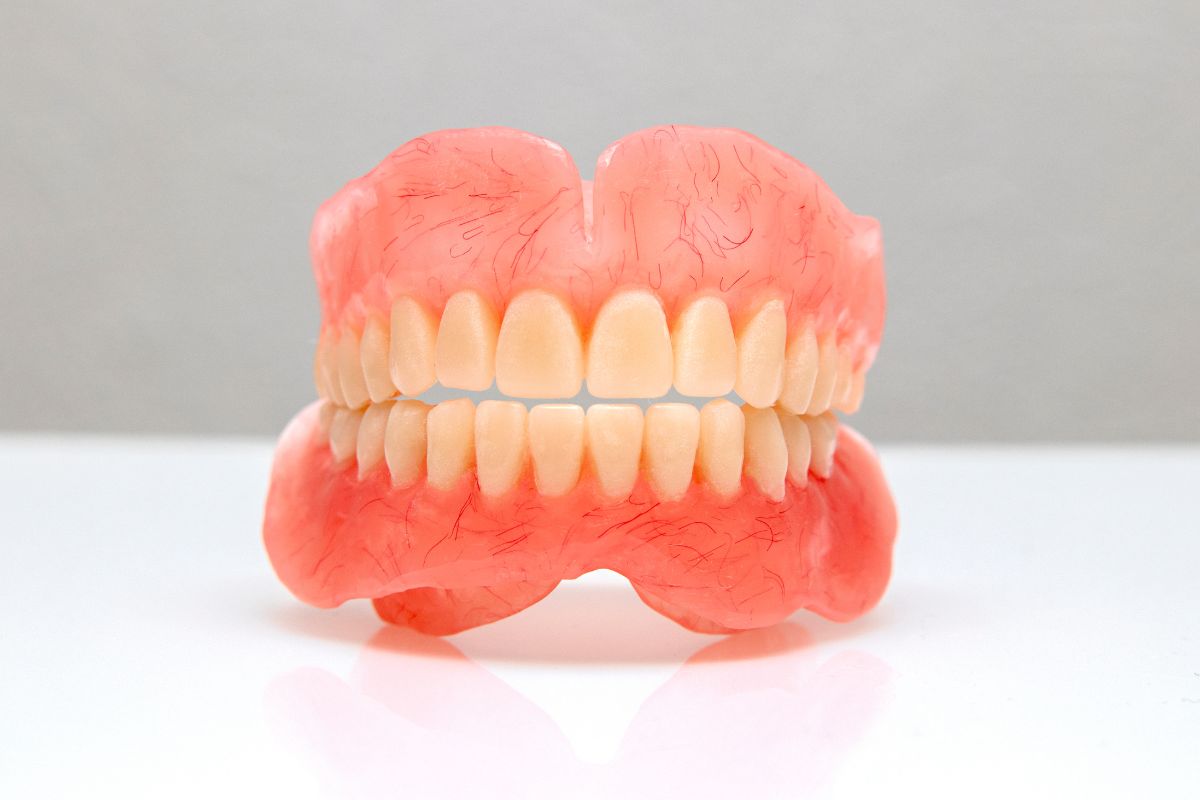
Adjusting to Life with Dentures: Tips and Tricks
Getting dentures can be a life-changing experience. Whether you’ve recently lost teeth due to aging, dental disease, or an accident, adjusting to dentures requires patience, care, and a few useful strategies. Many people worry about eating, speaking, or maintaining confidence with dentures—but with the right approach, you can adapt quickly and enjoy a healthy, confident smile.
In this guide, we’ll cover practical tips and tricks for adjusting to life with dentures, including day-to-day care, eating techniques, speech improvement, and comfort strategies.
Understanding the Adjustment Period
Why It Takes Time to Adapt
Your mouth needs time to get used to dentures. Unlike natural teeth, dentures sit on your gums and may feel bulky or unnatural at first. This adjustment period typically lasts a few weeks, during which minor discomfort, increased saliva production, and slight difficulty speaking are common. Understanding that these experiences are normal helps you stay patient and consistent with denture care.
Managing Initial Discomfort
Some initial soreness is expected. Over-the-counter pain relievers can help, but make sure your dentist checks the fit. Ill-fitting dentures can cause irritation, sores, or long-term oral problems. Regular follow-ups ensure your dentures are comfortable and effective.
Tips for Eating with Dentures
Start Slowly
When first wearing dentures, begin with soft foods like mashed potatoes, scrambled eggs, or yogurt. Gradually introduce firmer foods as you gain confidence. This staged approach reduces the risk of discomfort and frustration.
Cut Food into Small Pieces
Chop foods into bite-sized pieces to make chewing easier. Avoid biting with the front teeth initially—use the molars for chewing instead.
Chew Evenly
Try to chew on both sides of your mouth simultaneously. This prevents dentures from tipping and maintains balance, reducing irritation.
Avoid Sticky or Hard Foods
Foods like caramel, taffy, or tough meats can dislodge dentures. Opt for tender, moist, and less sticky options during the first few weeks.
Improving Speech with Dentures
Practice Common Words and Sounds
Some denture wearers notice difficulty pronouncing certain words, especially “s” and “f” sounds. Practice speaking slowly and clearly, repeating words in front of a mirror to improve pronunciation.
Read Aloud Daily
Reading books, articles, or even texting aloud helps your mouth adapt to new dentures. The more you practice, the more natural speaking will feel.
Stay Patient and Persistent
Adjusting to speech changes can take several weeks. Don’t rush—gradual practice ensures better long-term results and avoids frustration.
Denture Hygiene and Care
Clean Your Dentures Daily
Remove dentures after meals and rinse them under warm water. Use a soft-bristled denture brush and non-abrasive cleaner to avoid scratches. Avoid regular toothpaste, which can be too harsh for denture surfaces.
Soak Dentures Overnight
Place dentures in a denture-soaking solution or plain water overnight to keep them moist and prevent warping. A dry denture can lose its shape, affecting fit and comfort.
Maintain Oral Hygiene
Even without natural teeth, cleaning your gums, tongue, and roof of the mouth daily prevents bacteria buildup and oral infections. Use a soft toothbrush or gauze to gently cleanse your mouth.
Dealing with Denture-Related Challenges
Sore Spots and Irritation
Minor sore spots are common during the first few weeks. Rinse with warm saltwater, avoid putting excessive pressure on the sore area, and consult your dentist if pain persists.
Denture Adhesives: When and How to Use
Denture adhesives can provide added stability, especially when speaking or eating. Use sparingly and follow instructions. Overuse can create residue buildup and affect fit.
Handling Denture Slippage
If dentures shift while eating or talking, make small adjustments to chewing techniques and consider denture relining by a professional. Regular dental check-ups ensure optimal fit.
Maintaining Confidence and Lifestyle
Smile with Assurance
Confidence may take time to return, but remember: most people won’t notice your dentures. Practice smiling in the mirror and engage socially—it speeds up emotional adjustment.
Enjoy Favorite Foods Gradually
Once you’re comfortable, gradually reintroduce a wider range of foods. This allows you to regain freedom and enjoyment in your diet.
Regular Dental Visits
Routine check-ups ensure your dentures remain in good condition, help detect oral issues early, and allow professional adjustments for comfort and fit.
Conclusion
Adjusting to life with dentures may seem challenging at first, but with patience, proper care, and consistent practice, it becomes a manageable and even rewarding experience. From learning to eat and speak comfortably to maintaining denture hygiene and confidence, these tips and tricks provide a comprehensive roadmap for new denture wearers. Remember, every mouth is unique, so work closely with your dentist to personalize your approach.
With time and dedication, dentures can restore not just your smile but also your quality of life.