


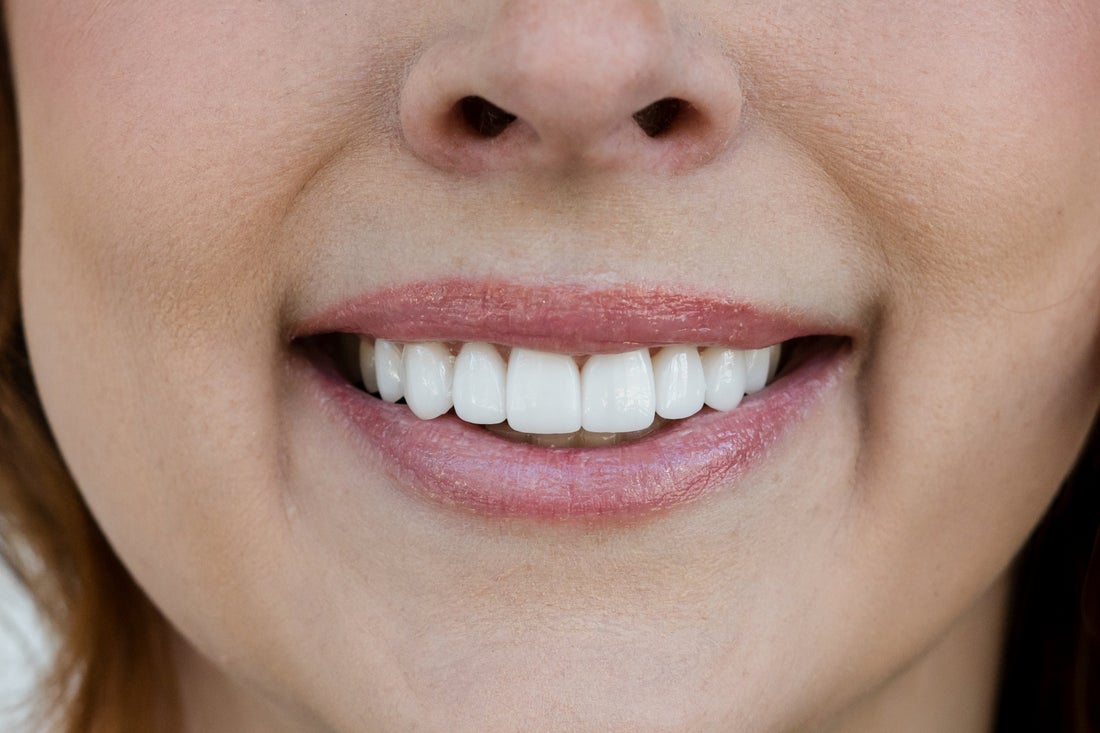
How Dental Bridges Restore Your Smile and Confidence
A missing tooth can affect more than just your appearance—it can impact your oral health, speech, eating habits, and self-esteem. Fortunately, dental bridges offer a reliable solution to fill gaps in your smile and restore your confidence.
In this comprehensive guide, we’ll explore how dental bridges work, the benefits they provide, who is a good candidate, the procedure involved, and tips for long-term maintenance.
What Are Dental Bridges?
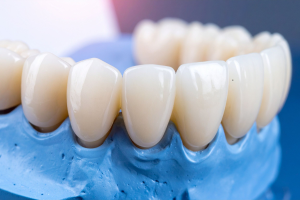
Dental bridges are fixed dental restorations used to replace one or more missing teeth. They literally “bridge” the gap left by missing teeth by anchoring artificial teeth (called pontics) to adjacent natural teeth or dental implants.
Dental bridges not only restore the appearance of your smile but also improve functionality and oral health. They come in various types, including:
Traditional Bridges
This common type uses crowns on the teeth adjacent to the gap to support one or more artificial teeth. Traditional bridges are strong and effective for most areas of the mouth.
Cantilever Bridges
Cantilever bridges are supported by a crown on only one adjacent tooth. They are typically used when there’s only one tooth available for support.
Maryland Bonded Bridges
This bridge uses a metal or porcelain framework bonded to the back of adjacent teeth. Maryland bridges are less invasive and often used for front teeth.
Implant-Supported Bridges
Instead of using natural teeth for support, implant-supported bridges anchor the artificial teeth directly to dental implants. They offer exceptional durability and long-term stability.
How Dental Bridges Restore Your Smile
Missing teeth can create a visible gap in your smile, which may affect your confidence. Dental bridges restore your smile by:
Replacing Missing Teeth
The most obvious benefit of dental bridges is that they replace missing teeth. Pontics are custom-made to match the shape, size, and color of your natural teeth, ensuring a seamless appearance.
Maintaining Facial Structure
Missing teeth can cause the surrounding facial muscles to sag, leading to premature aging. Dental bridges help support facial structure, keeping your cheeks and lips properly aligned.
Preventing Teeth Shifting
When a tooth is missing, neighboring teeth can shift toward the gap, leading to bite misalignment and potential jaw discomfort. Dental bridges prevent this movement and preserve the alignment of your teeth.
How Dental Bridges Improve Confidence
Beyond aesthetics, dental bridges have a profound effect on self-esteem and social interactions.
Enhancing Your Appearance
A complete smile can dramatically improve your appearance. Dental bridges restore your teeth so that your smile looks natural, helping you feel confident in social and professional situations.
Restoring Speech and Function
Missing teeth can affect pronunciation and clarity of speech. Bridges restore the proper positioning of teeth, improving both speech and overall oral function.
Improving Chewing Ability
Gaps from missing teeth can make chewing difficult or painful. A dental bridge allows you to eat your favorite foods comfortably, promoting better nutrition and overall health.
Who Is a Good Candidate for a Dental Bridge?
Dental bridges are not suitable for everyone. Ideal candidates typically have:
Healthy Adjacent Teeth
Traditional bridges rely on neighboring teeth for support. These teeth should be strong, healthy, and free of severe decay.
Good Oral Health
Candidates should have healthy gums and sufficient bone support to ensure the bridge remains stable.
Desire for a Fixed Solution
If you prefer a permanent, non-removable option, a dental bridge is often ideal. Unlike removable dentures, bridges stay fixed in place and function like natural teeth.
The Dental Bridge Procedure
Getting a dental bridge usually requires multiple steps. Understanding the process helps patients feel prepared and confident.
Step 1: Consultation and Examination
Your dentist will examine your teeth, take X-rays, and discuss your goals. They will determine if a bridge is suitable and which type is best for your situation.
Step 2: Preparing Adjacent Teeth
For traditional bridges, the teeth adjacent to the gap are reshaped to accommodate crowns. This step ensures a secure fit for the bridge.
Step 3: Taking Impressions
Your dentist will take impressions of your teeth, which are sent to a dental lab to create a custom bridge. Temporary bridges may be placed during this time.
Step 4: Placement and Adjustment
Once the permanent bridge is ready, your dentist will place it and make necessary adjustments to ensure comfort, proper bite alignment, and a natural appearance.
Benefits of Dental Bridges
Dental bridges provide multiple benefits that go beyond aesthetics.
Restored Functionality
Bridges allow you to chew, speak, and bite normally, restoring the functionality lost with missing teeth.
Durability and Longevity
With proper care, dental bridges can last 5 to 15 years or longer, making them a long-term solution for tooth replacement.
Cost-Effective Solution
Compared to dental implants, bridges often have a lower upfront cost, making them an accessible option for many patients.
Non-Invasive Option
Traditional bridges do not require surgery, making them a good choice for patients who prefer non-invasive procedures.
Caring for Your Dental Bridge
Proper care is essential to ensure your dental bridge remains functional and aesthetically pleasing.
Daily Oral Hygiene
Brush twice daily with fluoride toothpaste
Floss under the bridge using floss threaders
Rinse with an antibacterial mouthwash
Regular Dental Checkups
Visit your dentist every 6 months for professional cleaning and evaluation of the bridge’s condition.
Avoiding Damage
Avoid hard or sticky foods that can damage the bridge or surrounding teeth. Chewing ice, hard candy, or sticky sweets should be minimized.
Conclusion: Smile with Confidence
Dental bridges are an effective solution for replacing missing teeth and restoring your smile. They not only improve appearance but also restore function, prevent teeth shifting, and enhance self-confidence.
By understanding the procedure, benefits, and maintenance requirements, you can make an informed decision about whether a dental bridge is right for you. With proper care, your bridge can provide a beautiful, confident smile for many years, helping you feel proud of your teeth and smile every day.
Dental bridges truly combine functionality and aesthetics, offering both physical and emotional benefits for anyone looking to restore their smile and confidence.