

From Plaque to Polish: The Journey of a Dental Cleaning Visit
A dental cleaning visit is one of the most important steps in maintaining long-term oral health. While many people think of it as a quick polish or routine check-up, the process is actually a carefully structured journey that transforms your teeth from plaque-covered surfaces to a smooth, polished, and healthy smile.
Understanding what happens from start to finish can help reduce anxiety, improve preparation, and highlight why regular dental cleanings are essential. This guide walks you through the complete journey from plaque to polish during a professional dental cleaning visit.
Understanding the Starting Point: Plaque and Tartar Build-Up
Every dental cleaning begins with what has accumulated on your teeth since your last visit: plaque and tartar. These substances are the main reason professional cleanings are necessary.
What Is Plaque?
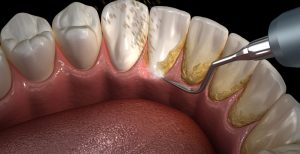
Plaque is a sticky, colourless film made up of bacteria, saliva, and food particles. It forms on your teeth throughout the day, especially after eating sugary or starchy foods.
When Plaque Turns Into Tartar
If plaque is not removed through brushing and flossing, it hardens into tartar (also called calculus). Once tartar forms, it cannot be removed at home and requires professional dental tools.
Why This Stage Matters
Plaque and tartar are the starting point for cavities, gum disease, and bad breath. Removing them early is essential for preventing long-term dental problems.
The First Step of the Journey: Dental Examination
Before the cleaning process begins, your dentist or dental hygienist performs a thorough examination of your mouth.
Checking Teeth and Gums
Using a small mirror and light, the hygienist checks for signs of decay, gum inflammation, and tartar buildup along the gumline.
Measuring Gum Health
A small probe may be used to measure the space between your gums and teeth. This helps detect early signs of gum disease such as gingivitis or periodontitis.
Identifying Problem Areas
Any areas of concern are noted so the hygienist can focus on them during the cleaning process.
The Transformation Begins: Scaling Away Plaque and Tartar
The most important step in the journey from plaque to polish is scaling—the removal of hardened deposits from your teeth.
Manual and Ultrasonic Tools
Dental hygienists use specialised tools such as scalers and ultrasonic devices. Ultrasonic instruments vibrate at high speed to break apart tartar, while manual tools remove remaining deposits.
Cleaning Above and Below the Gumline
Scaling is not limited to visible areas. Hygienists carefully clean below the gumline where bacteria often hide and cause gum disease.
What It Feels Like
You may feel light scraping or vibration, but the process is generally not painful. Mild sensitivity can occur if there is significant buildup.
Deep Cleaning Between Teeth: Reaching the Hidden Areas
Once the surface tartar is removed, attention shifts to the spaces between your teeth.
Removing Hidden Debris
Special tools and techniques are used to remove plaque and bacteria trapped between teeth and along tight spaces.
Preventing Gum Disease Progression
These areas are often where gum disease begins, so thorough cleaning helps prevent inflammation and infection.
Importance of Precision
Even the best brushing and flossing at home cannot fully reach these areas, making professional cleaning essential.
The Polishing Stage: From Rough to Smooth
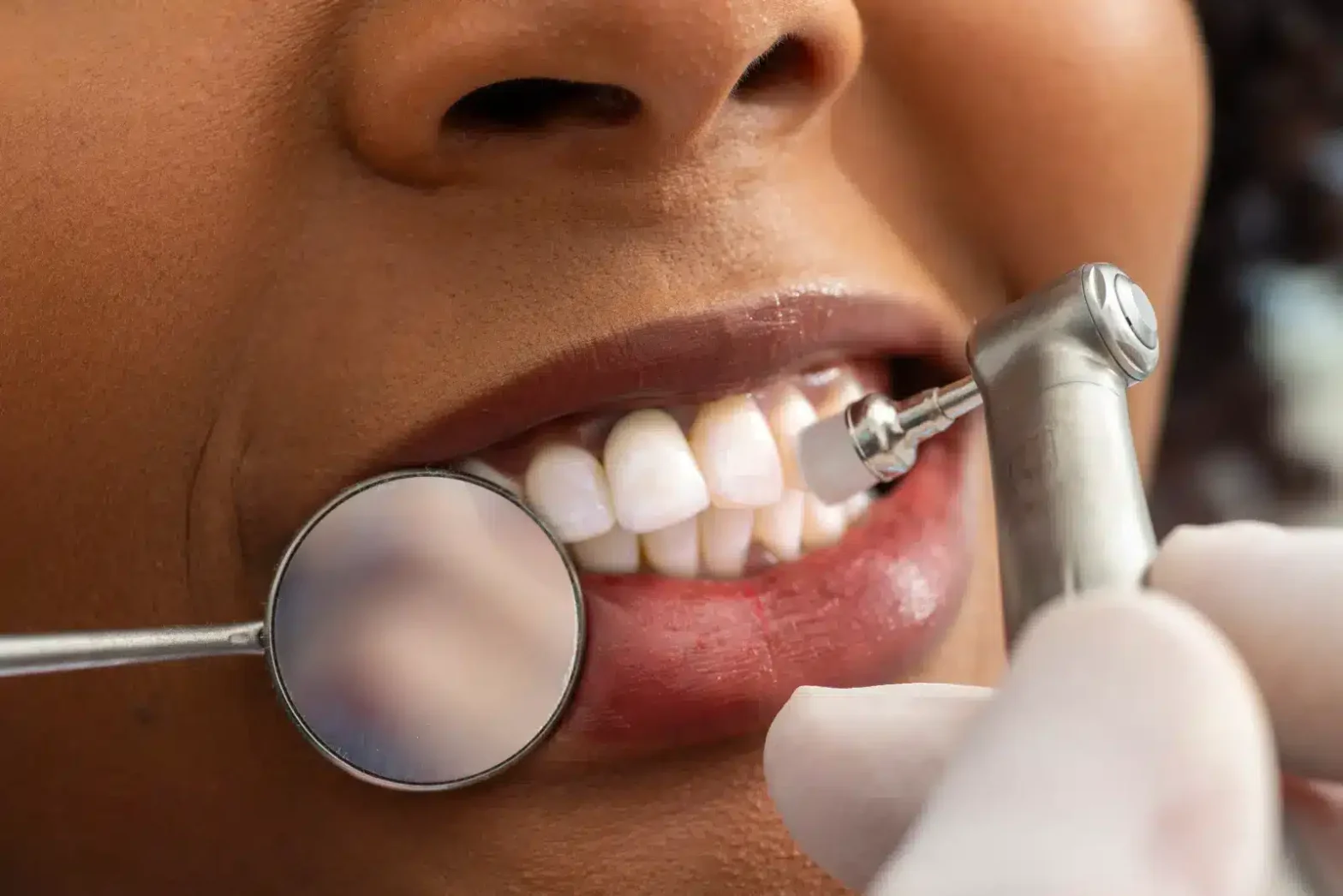
After scaling and deep cleaning, your teeth move into the polishing stage—the part most patients notice the most.
Using a Gritty Polishing Paste
A special toothpaste-like substance is applied using a rotating brush or rubber cup. This helps remove surface stains and smooth the enamel.
Removing Stains from Everyday Life
Stains caused by coffee, tea, wine, and smoking are gently buffed away, leaving teeth visibly brighter.
Why Polishing Matters
A smooth tooth surface makes it harder for plaque to stick, helping maintain cleanliness for longer after your appointment.
Flossing and Final Clean Touches
Even after scaling and polishing, the hygienist performs a final detailed flossing.
Professional-Grade Flossing
Each tooth is carefully flossed to remove any remaining debris or polishing paste.
Checking Gum Sensitivity
Flossing also helps identify areas where gums may bleed or feel sensitive, which can indicate early gum issues.
Ensuring a Complete Clean
This step ensures no area is left untreated before the final stage of the visit.
The Final Step: Fluoride Protection and Strengthening
The journey from plaque to polish ends with protection.
Applying Fluoride Treatment
Fluoride may be applied as a gel, foam, or varnish. It helps strengthen tooth enamel and protect against future decay.
How Fluoride Works
Fluoride helps rebuild weakened enamel and makes teeth more resistant to acid attacks from bacteria and food.
Post-Treatment Instructions
You may be advised not to eat or drink for 30 minutes after treatment to allow full absorption.
What You Feel After a Dental Cleaning Visit
Once your cleaning is complete, the difference is immediately noticeable.
Smooth and Clean Teeth
Your teeth will feel significantly smoother due to the removal of plaque, tartar, and surface stains.
Fresh Breath and Clean Sensation
Bad breath is often reduced immediately after a professional cleaning due to the removal of bacteria.
Possible Temporary Sensitivity
Some patients experience mild sensitivity to temperature for a short time after the procedure.
Why the Journey from Plaque to Polish Matters
Understanding the full process highlights the importance of regular dental visits.
Preventing Long-Term Dental Problems
By removing plaque and tartar early, cleanings help prevent cavities, gum disease, and tooth loss.
Supporting Overall Health
Oral bacteria can affect other parts of the body, including the heart and lungs. Regular cleanings reduce this risk.
Saving Money on Future Treatments
Preventive care is far more affordable than treating advanced dental problems such as root canals or gum surgery.
How Often Should You Experience the Journey from Plaque to Polish?
The frequency of dental cleanings depends on your individual oral health.
Standard Recommendation
Most people should have a dental cleaning every six months.
Higher-Risk Patients
Those with gum disease, diabetes, or heavy plaque buildup may need more frequent visits every 3–4 months.
Personalised Dental Advice
Your dentist will recommend a schedule tailored to your specific needs and oral health condition.
How to Maintain Your Results After a Cleaning
Maintaining clean teeth between visits helps extend the benefits of your appointment.
Brush and Floss Daily
Brushing twice a day and flossing once daily helps control plaque buildup.
Limit Sugary and Acidic Foods
Reducing sugar intake helps prevent bacteria growth and enamel erosion.
Stay Hydrated
Drinking water supports saliva production, which naturally protects your teeth.
Conclusion: The Journey That Keeps Your Smile Healthy
From plaque to polish, a dental cleaning visit is a carefully structured journey that transforms your oral health in a single appointment. It begins with the removal of harmful buildup and ends with a smooth, polished, and protected smile.
By understanding each stage of the process, you can feel more confident and informed about your dental care. Regular cleanings are not just about appearance—they are a vital part of maintaining strong teeth, healthy gums, and long-term overall health.