

The Biggest Dental Myths You Should Stop Believing
Dental health advice is everywhere, but not all information about teeth and oral care is accurate. Many common dental beliefs have been passed down for years, causing people to develop habits that may not actually protect their smiles.
From misconceptions about brushing and cavities to misunderstandings about dental treatments, these myths can prevent people from making the best decisions for their oral health. Understanding the facts can help you maintain healthier teeth, avoid unnecessary damage, and feel more confident about your dental care routine.
Here are some of the biggest dental myths you should stop believing.
Myth 1: The Harder You Brush, the Cleaner Your Teeth Will Be
One of the most common dental myths is that aggressive brushing creates a better clean. Many people believe that scrubbing harder removes more plaque and leaves their teeth feeling fresher.
However, brushing with excessive force can actually harm your smile.
Why Brushing Too Hard Can Damage Your Teeth
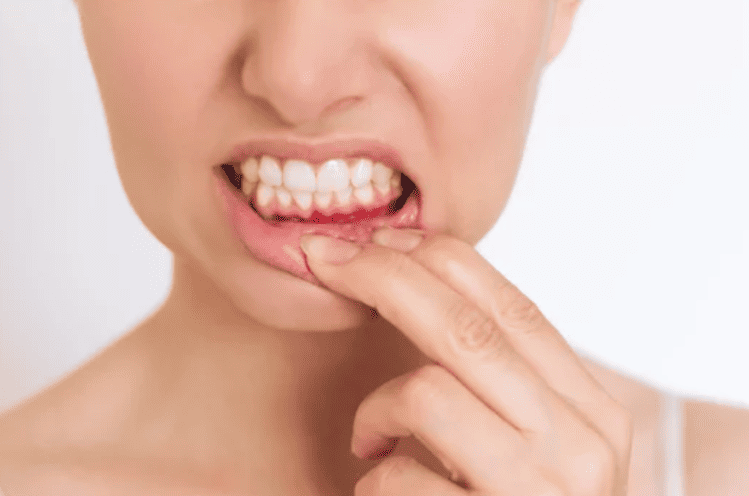
Your tooth enamel is strong, but it is not impossible to damage. Applying too much pressure while brushing can gradually wear down enamel and increase tooth sensitivity.
Hard brushing can also irritate your gums and contribute to gum recession, which exposes more sensitive areas of the teeth.
The Best Way to Brush Your Teeth
Effective brushing depends on technique, not pressure. Dentists recommend using a soft-bristled toothbrush and gentle circular movements to remove plaque without damaging your teeth or gums.
Taking your time and cleaning all areas of your mouth is much more beneficial than brushing aggressively.
Myth 2: If Your Teeth Are White, They Are Healthy
A bright white smile is often associated with good dental health, but tooth colour does not always tell the full story.
Healthy teeth naturally come in different shades, and perfectly white teeth do not guarantee strong enamel or healthy gums.
Tooth Colour Is Influenced by Many Factors
The natural colour of your teeth depends on factors such as genetics, enamel thickness, age, and lifestyle habits. Certain foods and drinks, including coffee, tea, and red wine, can also cause staining over time.
A person can have slightly darker teeth that are completely healthy, while someone with a bright smile may still have cavities or gum problems.
Dental Health Is About More Than Appearance
A truly healthy smile involves strong enamel, healthy gums, fresh breath, and regular dental care. Cosmetic treatments may improve appearance, but they do not replace proper oral hygiene.
Myth 3: Sugar Is the Only Cause of Cavities
Sugar is often blamed as the only reason people develop cavities, but the truth is more complex. While sugar does contribute to tooth decay, several factors influence cavity development.
How Cavities Actually Form
Cavities occur when bacteria in your mouth produce acids after feeding on sugars and carbohydrates. These acids attack tooth enamel and gradually weaken the tooth structure.
The frequency of sugar exposure matters too. Drinking or snacking on sugary foods throughout the day gives bacteria more opportunities to create damaging acids.
Preventing Cavities Requires Multiple Habits
Reducing sugar intake is helpful, but cavity prevention also requires regular brushing, flossing, fluoride protection, and professional dental checkups.
A balanced approach to oral care provides the best protection against tooth decay.
Myth 4: You Only Need to Visit the Dentist When Something Hurts
Many people believe dental visits are only necessary when they experience pain. However, waiting for discomfort can allow small problems to become more serious.
Dental Problems Can Develop Without Symptoms
Cavities, gum disease, and other dental concerns may develop quietly without causing noticeable pain in the early stages.
Regular dental examinations allow professionals to identify issues before they become more difficult to treat.
Preventive Dentistry Protects Your Smile
Routine dental appointments are designed to prevent problems, not just treat them. Professional cleanings, examinations, and personalised advice can help maintain better oral health over time.
Myth 5: Flossing Is Optional
Some people believe brushing alone is enough to keep their teeth clean. While brushing is essential, it cannot reach every surface of your mouth.
Why Flossing Matters
The spaces between teeth are common areas where food particles and plaque collect. Without cleaning these areas, bacteria can contribute to cavities and gum problems.
Flossing helps remove buildup that toothbrush bristles cannot reach.
Different Cleaning Tools Can Help
Traditional dental floss is not the only option. Some people may find interdental brushes or water flossers easier to use.
The most important factor is choosing a method that allows you to clean between your teeth consistently.
Myth 6: Baby Teeth Do Not Matter Because They Fall Out
A common misconception is that baby teeth are not important because children eventually lose them. However, primary teeth play a crucial role in a child’s development.
Baby Teeth Support Healthy Development
Baby teeth help children chew properly, develop speech, and maintain space for permanent teeth. Problems with baby teeth can affect future dental health if not addressed.
Children Need Dental Care Early
Starting dental visits early helps children become comfortable with dental care and allows problems to be detected before they progress.
Teaching children good oral hygiene habits from a young age can create lifelong benefits.
Myth 7: Teeth Whitening Damages Your Teeth
Some people avoid teeth whitening because they believe it automatically harms enamel. When performed correctly, professional whitening treatments are generally considered safe.
Safe Whitening Depends on Proper Use
Problems can occur when whitening products are misused, overused, or applied without considering existing dental conditions.
A dental professional can recommend suitable whitening options based on your teeth and oral health.
Whitening Does Not Replace Dental Care
Teeth whitening improves the appearance of your smile, but it does not treat cavities, gum disease, or other dental problems.
A healthy foundation is important before considering cosmetic treatments.
Myth 8: Dental Health Only Affects Your Mouth
Another common myth is that oral health is separate from overall health. In reality, your mouth is connected to the rest of your body.
Your Mouth Can Reflect Your Overall Health
Poor oral hygiene can contribute to inflammation and infections that affect your wellbeing. Maintaining healthy teeth and gums is an important part of looking after your entire body.
Healthy Habits Benefit More Than Your Smile
Regular brushing, flossing, a balanced diet, and dental checkups support both oral health and overall wellness.
Conclusion: Know the Facts Behind Better Dental Health
Dental myths can lead to habits that negatively affect your smile. Believing that harder brushing is better, skipping dental visits, ignoring flossing, or focusing only on appearance can prevent you from achieving the best oral health possible.
The truth is that a healthy smile comes from consistent care, informed choices, and professional guidance. By understanding the facts behind common dental myths, you can protect your teeth, support your gums, and maintain a confident smile for years to come.
The best dental advice is simple: take care of your teeth every day, listen to dental professionals, and avoid letting outdated myths guide your oral health decisions.