

Your Toothbrush Habits Might Be Wrong—Here’s Why
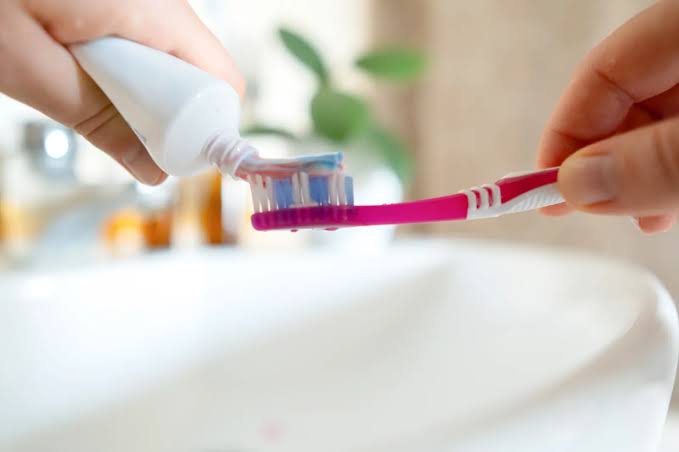
Brushing your teeth is one of the most important parts of maintaining good oral health, but many people may not be getting the benefits they expect from their daily toothbrush routine. While brushing twice a day is recommended by dental professionals, the way you brush, the tools you use, and the habits surrounding your toothbrush can all affect your smile.
Small mistakes can contribute to problems such as plaque buildup, tooth sensitivity, enamel damage, gum irritation, and cavities. The good news is that many common toothbrush mistakes are easy to correct once you understand what you may be doing wrong.
Here are the toothbrush habits dentists want you to reconsider and how you can improve your daily oral care routine.
1. You May Be Brushing Your Teeth Too Hard
One of the most common toothbrush mistakes is applying too much pressure while brushing. Many people believe that scrubbing harder will remove more plaque, but excessive force can actually harm your teeth and gums.
Hard Brushing Can Damage Tooth Enamel
Tooth enamel is the protective outer layer of your teeth. Although it is the strongest substance in the human body, it can still become worn down over time.
Aggressive brushing can gradually weaken enamel, making teeth more vulnerable to sensitivity and decay. Once enamel is lost, the body cannot naturally rebuild it.
Strong Pressure Can Affect Your Gums
Brushing too hard can also irritate your gums and contribute to gum recession. When gums pull back from the teeth, the sensitive root surface may become exposed, causing discomfort when consuming hot, cold, or sweet foods.
Dentists recommend using gentle pressure and allowing the toothbrush bristles to do the cleaning work.
2. You Are Probably Not Brushing Long Enough
Many people underestimate how long they spend brushing their teeth. A quick 20 or 30-second brush may feel like enough, but it often leaves areas of the mouth with plaque buildup.
The Two-Minute Rule Matters
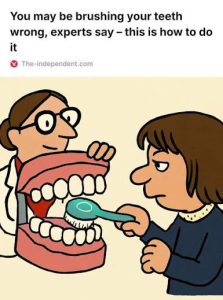
Dental professionals commonly recommend brushing for around two minutes twice a day. This gives you enough time to clean all surfaces of your teeth, including the front, back, and chewing areas.
Taking your time allows you to remove more plaque and improve your overall oral hygiene.
Missing Certain Areas Is Common
Many people focus on the front teeth because they are the most visible. However, cavities often develop in harder-to-reach areas, including back teeth and areas near the gumline.
A complete brushing routine should include every tooth surface, not just the areas people notice most.
3. You Might Be Using the Wrong Toothbrush
Choosing the right toothbrush can make a significant difference in your dental health. Not every toothbrush is suitable for every person, and using the wrong type may reduce cleaning effectiveness.
Soft Bristles Are Usually the Best Choice
Many people assume medium or hard bristles clean better, but they can be too harsh for daily use. Hard bristles may contribute to enamel wear and gum irritation.
A soft-bristled toothbrush is generally effective at removing plaque while being gentler on your teeth and gums.
The Size and Shape of Your Toothbrush Matter
A toothbrush head that is too large may make it difficult to reach certain areas, especially the back teeth. A smaller toothbrush head can provide better control and access.
Choosing a toothbrush that feels comfortable and allows you to reach all areas of your mouth can improve your brushing routine.
4. You Are Not Replacing Your Toothbrush Often Enough
Your toothbrush does not last forever. Over time, bristles become worn, bent, and less effective at removing plaque.
Worn Bristles Clean Less Effectively
A toothbrush with damaged bristles cannot clean your teeth as efficiently as a new one. Continuing to use an old toothbrush may mean you are spending time brushing without receiving the full benefits.
Dentists generally recommend replacing your toothbrush or toothbrush head every few months or sooner if the bristles become worn.
Your Toothbrush Can Collect Bacteria
Your toothbrush is exposed to moisture and bacteria every time you use it. Proper storage is important to help keep it clean.
Allow your toothbrush to air dry between uses and avoid storing it in closed containers where moisture can encourage bacterial growth.
5. You May Be Brushing at the Wrong Time
Timing your brushing routine can affect how well you protect your teeth. While brushing twice daily is important, when you brush can also make a difference.
Be Careful Brushing Immediately After Acidic Foods
Foods and drinks such as citrus fruits, soft drinks, and sports drinks contain acids that can temporarily soften enamel.
Brushing immediately after consuming acidic items may increase the risk of enamel wear. Instead, rinse your mouth with water and wait before brushing.
Night-Time Brushing Is Essential
Brushing before bed is one of the most important steps in your oral care routine. During sleep, saliva production decreases, reducing your mouth’s natural protection against bacteria.
Cleaning your teeth at night helps remove plaque and food particles before they can cause damage.
6. You Are Forgetting to Brush Your Gumline
Many people focus only on their teeth and overlook the area where teeth meet the gums. This area is especially important because plaque commonly collects along the gumline.
The Gumline Needs Gentle Cleaning
Angling your toothbrush slightly toward the gumline helps clean areas where bacteria can accumulate. However, avoid aggressive scrubbing because this can irritate your gums.
A gentle and consistent approach is the best way to support healthy gums.
Healthy Gums Support Healthy Teeth
Your gums provide essential support for your teeth. Poor gum health can eventually affect the stability of your teeth and contribute to serious dental problems.
A complete brushing routine should always include both your teeth and gums.
7. You Are Not Cleaning Your Tongue
Your tongue can hold bacteria that contribute to bad breath and an unhealthy mouth environment. Many people forget this important step during their oral hygiene routine.
Tongue Cleaning Helps Reduce Bacteria
Cleaning your tongue with a toothbrush or tongue scraper can help remove bacteria and buildup from its surface.
This simple habit can improve freshness and support better overall oral hygiene.
A Cleaner Mouth Supports Better Breath
Bad breath is often caused by bacteria in the mouth. Along with brushing, flossing, and regular dental care, tongue cleaning can help maintain a fresher smile.
8. You May Be Ignoring Your Electric Toothbrush Features
Electric toothbrushes can be helpful tools, but many users do not take advantage of their features.
Pressure Sensors Can Prevent Damage
Many modern electric toothbrushes include pressure sensors that alert you when you are brushing too hard. This feature can help protect enamel and gums.
Timers Encourage Better Brushing Habits
Built-in timers can help ensure you brush for the recommended amount of time. Using these features can make your daily routine more effective.
Conclusion: Improve Your Toothbrush Habits for a Healthier Smile
Your toothbrush routine has a major impact on your oral health, but small mistakes can reduce its effectiveness. Brushing too hard, using the wrong toothbrush, skipping areas, or failing to replace your brush regularly can affect the health of your teeth and gums.
The best toothbrush habits involve gentle technique, consistent timing, proper tools, and attention to every part of your mouth. By making a few simple changes, you can improve your oral hygiene and protect your smile for the future.
A healthier smile starts with the everyday habits you practice at home. Make sure your toothbrush routine is working for you—not against you.