

The Truth About Dental Implant Pain and Recovery
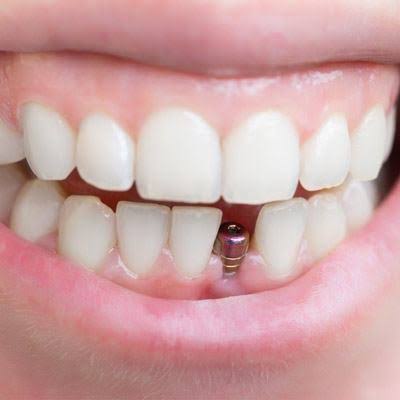
Dental implants are one of the most effective and long-lasting solutions for replacing missing teeth. Despite their high success rate and natural-looking results, many patients feel anxious about one key concern: dental implant pain and recovery.
The truth is that modern dental implant procedures are far more comfortable than most people expect. With advanced techniques, anaesthesia, and proper aftercare, most patients report only mild discomfort rather than severe pain.
This SEO-optimised guide explains what dental implant pain really feels like, what recovery involves, and how to ensure a smooth healing process from start to finish.
Do Dental Implants Hurt?
Understanding Pain During the Procedure
During dental implant surgery, you should not feel pain. Local anaesthesia is used to numb the area completely, and sedation options are often available for patients who feel anxious.
Most patients report sensations such as:
Pressure in the jaw
Mild vibration during drilling
No sharp pain during placement
In some cases, patients choose sedation dentistry, which helps them feel relaxed or even asleep during the procedure.
Why the Procedure Feels Less Painful Than Expected
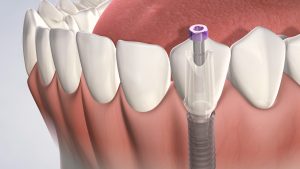
Modern dental technology has significantly reduced discomfort. Precise imaging, minimally invasive techniques, and improved surgical tools mean less trauma to surrounding tissues.
Compared to tooth extractions or root canals, dental implant surgery is often described as more comfortable by patients.
What Pain Is Like After Dental Implant Surgery?
First 24 to 72 Hours
After the anaesthesia wears off, it is normal to experience mild to moderate discomfort. This is usually the most sensitive period of recovery.
Common symptoms include:
Swelling around the gums or cheek
Minor bleeding at the surgical site
Bruising in some cases
Soreness in the jaw
Pain is typically manageable with over-the-counter pain relief or medication prescribed by your dentist.
What the Pain Actually Feels Like
Most patients describe the sensation as similar to:
A pulled tooth recovery
Mild throbbing or pressure
Gum tenderness rather than sharp pain
Severe pain is uncommon and may indicate a complication that should be reviewed by a dentist.
Dental Implant Recovery Timeline
First Week After Surgery
During the first week, the body begins the healing process. Swelling usually peaks within 48 hours and then gradually decreases.
Patients are advised to:
Eat soft foods such as yoghurt, soup, and mashed potatoes
Avoid chewing on the implant side
Keep the area clean but gentle
Avoid strenuous activity
Most people can return to work or normal daily activities within 1 to 3 days, depending on the complexity of the procedure.
Weeks 2 to 6
During this phase, soft tissue healing continues. The gums begin to close around the implant site, and discomfort significantly reduces.
You may notice:
Reduced swelling
Minimal to no pain
Improved comfort when eating soft foods
However, the implant is still integrating with the jawbone during this time.
3 to 6 Months: Osseointegration Phase
This is the most important stage of recovery. The implant fuses with the jawbone in a process called osseointegration.
During this period:
There is usually no pain
The implant becomes more stable over time
Routine check-ups monitor healing progress
Patients must avoid putting excessive pressure on the implant until it is fully integrated.
After Final Restoration
Once healing is complete, a crown, bridge, or denture is attached. At this stage, the implant should feel completely natural.
Most patients forget they even have an implant because it functions like a real tooth.
How to Manage Dental Implant Pain
Medication and Pain Relief
Dentists typically recommend pain management strategies such as:
Over-the-counter pain relievers (e.g., ibuprofen or paracetamol)
Prescription medication if needed
Anti-inflammatory drugs to reduce swelling
Following dosage instructions is important for safe recovery.
Cold Compress Therapy
Applying a cold pack to the outside of the cheek can help reduce swelling and numb discomfort during the first 48 hours.
Best practices include:
15–20 minutes on, 20 minutes off
Do not apply ice directly to skin
Rest and Activity Control
Rest plays a major role in healing. Patients should avoid:
Heavy lifting
Intense exercise
Bending over frequently
These activities can increase blood flow to the surgical area and worsen swelling.
What Is Normal vs Not Normal Pain?
Normal Post-Surgery Symptoms
The following symptoms are considered normal:
Mild swelling
Bruising around the jaw or cheek
Tenderness when chewing
Slight bleeding for 24 hours
These symptoms typically improve within a few days.
Signs of a Possible Problem
Although rare, certain symptoms should be checked by a dentist immediately:
Severe or worsening pain after several days
Persistent swelling beyond one week
Pus or signs of infection
Fever or feeling unwell
Loose implant feeling
Early attention can prevent complications and protect implant success.
Factors That Affect Pain and Recovery
Number of Implants Placed
A single implant usually results in minimal discomfort, while multiple implants or full-arch procedures may require a longer recovery period.
Bone Grafting or Additional Procedures
If bone grafting or sinus lifts are required, recovery may involve slightly more swelling and tenderness.
Overall Health and Healing Ability
Patients with good general health typically recover faster. Conditions like diabetes or smoking habits may slow healing.
Oral Hygiene Practices
Keeping the mouth clean reduces the risk of infection and speeds up recovery. Gentle brushing and rinsing as instructed by the dentist are essential.
Tips for a Smooth and Comfortable Recovery
Follow Post-Operative Instructions
Dentists provide specific aftercare guidelines tailored to each patient. Following these instructions is the most important factor in pain control and healing.
Stick to a Soft Food Diet
Eating soft foods helps avoid pressure on the implant site. Recommended foods include:
Yogurt
Scrambled eggs
Smooth soups
Mashed vegetables
Avoid Smoking and Alcohol
Smoking significantly slows healing and increases the risk of implant failure. Alcohol can interfere with medications and delay recovery.
Maintain Gentle Oral Hygiene
Keeping the area clean prevents infection. Patients should:
Brush gently around the implant site
Use saltwater rinses if recommended
Avoid aggressive flossing near the surgical area initially
Long-Term Comfort After Healing
Once fully healed, dental implants should feel completely natural. There should be:
No ongoing pain
No sensitivity in the implant itself
Normal chewing and speaking ability
Unlike dentures, implants are fixed and do not shift or cause irritation to the gums.
Conclusion
The truth about dental implant pain and recovery is reassuring: the procedure is generally well tolerated, and most patients experience only mild, temporary discomfort. With modern techniques, anaesthesia, and proper aftercare, recovery is predictable and manageable.