

How Long Do Dental Implants Last?
Dental implants are widely considered the most durable and reliable solution for replacing missing teeth. They are designed to look, feel, and function like natural teeth, making them a long-term investment in oral health and confidence. One of the most common questions patients ask is: how long do dental implants last?
The answer depends on several factors, including oral hygiene, lifestyle habits, and overall health. In many cases, dental implants can last decades—and often a lifetime—when properly cared for.
This SEO-optimised guide explains the lifespan of dental implants, what affects their longevity, and how to make them last as long as possible.
What Are Dental Implants?
Dental implants are artificial tooth roots made from biocompatible materials such as titanium. They are surgically placed into the jawbone to support a replacement tooth, such as a crown, bridge, or denture.
Once placed, the implant integrates with the bone through a process called osseointegration. This creates a strong and stable foundation similar to a natural tooth root.
A dental implant typically consists of three parts:
The implant post (placed in the jawbone)
The abutment (connector piece)
The crown (visible tooth replacement)
While each component has a different lifespan, the implant post itself is designed to be permanent.
How Long Do Dental Implants Last on Average?
Implant Post Lifespan
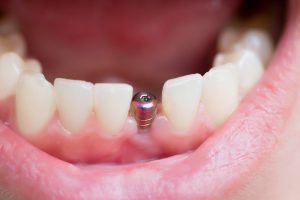
The titanium implant post is the most durable part of the system. With proper care, it can last 25 years to a lifetime. Many studies show high success rates even after 20–30 years.
Dental Crown Lifespan
The crown attached to the implant usually lasts 10 to 15 years. Over time, it may need replacement due to normal wear and tear, similar to natural teeth.
Overall Implant System
When combining the implant, abutment, and crown, the overall system can last several decades. Many patients keep their implants for life with proper maintenance.
Factors That Affect How Long Dental Implants Last
1. Oral Hygiene Habits
Good oral hygiene is the most important factor in implant longevity. Although implants cannot get cavities, the surrounding gum tissue can still become infected.
Poor hygiene may lead to peri-implantitis, a condition similar to gum disease that can cause implant failure.
To protect implants:
Brush twice daily
Floss or use interdental brushes
Use antibacterial mouthwash if recommended
2. Gum Health
Healthy gums are essential for supporting dental implants. Patients with untreated gum disease are at higher risk of complications.
Signs of healthy gums include:
No bleeding during brushing
Firm gum tissue
No swelling or pain
Maintaining gum health significantly extends implant lifespan.
3. Bone Density and Jaw Health
Dental implants rely on strong jawbone support. If bone density is poor or deteriorates over time, it can affect implant stability.
Bone loss can occur due to:
Long-term tooth loss
Gum disease
Aging
Bone grafting procedures can help restore support when needed.
4. Lifestyle Factors
Certain habits can negatively affect implant longevity:
Smoking reduces blood flow and slows healing
Excessive alcohol use can impact oral health
Teeth grinding (bruxism) can place stress on implants
Patients who avoid these habits tend to experience longer-lasting results.
5. Overall Health Conditions
Chronic health conditions such as uncontrolled diabetes or immune disorders can affect healing and long-term success.
However, many patients with health conditions still qualify for implants when properly managed under medical supervision.
6. Dental Professional Skill
The experience of the dentist or oral surgeon plays a major role in implant success. Proper placement, planning, and imaging technology all contribute to long-term durability.
How to Make Dental Implants Last Longer
Maintain Excellent Oral Hygiene
Daily care is essential to prevent infection and inflammation. Patients should:
Brush at least twice a day
Floss daily or use interdental brushes
Clean around the implant carefully
Attend Regular Dental Check-Ups
Routine visits help detect early signs of issues such as gum disease or loosening of the implant crown. Professional cleaning also helps maintain gum health.
Dentists typically recommend check-ups every six months.
Avoid Smoking and Tobacco Products
Smoking is one of the leading causes of implant failure. It slows healing and increases the risk of infection around the implant site.
Quitting smoking greatly improves long-term success rates.
Protect Against Teeth Grinding
Patients who grind their teeth at night may damage implants over time. A custom night guard can protect both natural teeth and implants from excessive pressure.
Follow Post-Surgery Instructions
Proper healing after implant surgery is critical. Following dietary restrictions, medication instructions, and aftercare advice helps ensure successful integration with the bone.
Signs of a Healthy and Long-Lasting Implant
Stable and Pain-Free Function
A successful implant should feel secure and comfortable, without pain or movement.
Healthy Gum Tissue
Pink, firm gums around the implant indicate good oral health and stability.
Strong Chewing Ability
Patients should be able to chew normally without discomfort or pressure issues.
No Signs of Infection
Healthy implants do not show swelling, bleeding, or discharge.
What Can Cause Dental Implants to Fail?
Although dental implants have a success rate of over 95%, failures can still occur in rare cases.
Early Implant Failure
This happens when the implant does not properly integrate with the bone. Causes may include:
Poor bone quality
Infection during healing
Excessive pressure on the implant
Late Implant Failure
This occurs after successful integration and may be caused by:
Gum disease (peri-implantitis)
Poor oral hygiene
Mechanical stress or trauma
Early detection and treatment can often save the implant.
Dental Implants vs Other Tooth Replacement Options
Dental Implants
Long-lasting (often lifetime)
Fixed and stable
Preserve jawbone
Dental Bridges
Last 5–15 years
Require support from adjacent teeth
Do not prevent bone loss
Dentures
Last 5–10 years
Removable
Less stable than implants
Dental implants clearly offer the longest lifespan and most natural function.
Conclusion
So, how long do dental implants last? With proper care, the implant post can last a lifetime, while the crown may need replacement every 10 to 15 years. Their longevity depends on oral