

Common Questions Patients Ask About Dental Implants
Dental implants have become one of the most trusted and effective solutions for replacing missing teeth. They offer a long-term, natural-looking alternative to dentures and bridges, restoring both function and confidence. However, many patients still have questions before deciding whether dental implants are right for them.
This SEO-optimised guide answers the most common questions patients ask about dental implants, covering cost, pain, recovery, eligibility, longevity, and more.
What Are Dental Implants?
A Permanent Solution for Missing Teeth
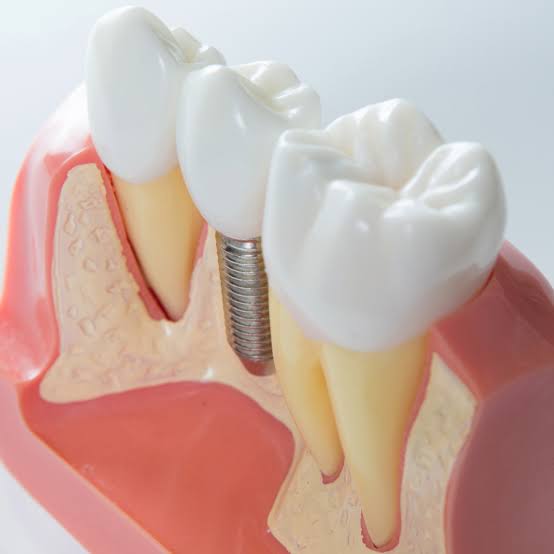
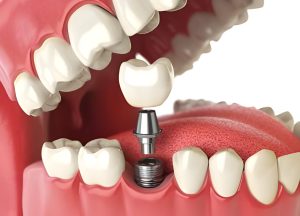
Dental implants are artificial tooth roots made from biocompatible materials such as titanium. They are placed into the jawbone to support a replacement tooth, such as a crown, bridge, or denture.
Once healed, the implant fuses with the bone through a process called osseointegration, creating a strong and stable foundation that functions like a natural tooth.
Dental implants are widely considered the gold standard in modern tooth replacement.
Are Dental Implants Painful?
What Patients Experience During Surgery
One of the most common concerns is pain. The good news is that dental implant surgery is typically not painful. Local anaesthesia is used to numb the area completely, and sedation options are available for anxious patients.
During the procedure, most patients feel:
Pressure in the jaw
No sharp pain
Mild vibration sensations
After-Surgery Discomfort
Mild discomfort is normal after the anaesthesia wears off. This may include:
Swelling
Tenderness in the gums
Minor bruising
Pain is usually manageable with over-the-counter medication and improves within a few days.
How Long Do Dental Implants Last?
Lifespan of the Implant Post
The titanium implant post can last 25 years or even a lifetime with proper care. It is designed to be a permanent solution.
Lifespan of the Crown
The visible crown typically lasts 10 to 15 years before it may need replacement due to normal wear and tear.
Long-Term Success Factors
Longevity depends on:
Oral hygiene habits
Gum health
Lifestyle choices (such as smoking)
Regular dental check-ups
With good care, many patients keep their implants for life.
Who Is a Good Candidate for Dental Implants?
Key Eligibility Factors
Not everyone is immediately eligible for dental implants. Ideal candidates usually have:
One or more missing teeth
Healthy gums
Sufficient jawbone density
Good overall health
Commitment to oral hygiene
When Additional Treatment Is Needed
Some patients may require preparatory procedures such as:
Bone grafting to rebuild jawbone
Gum disease treatment
Tooth extractions
These treatments help improve implant success rates.
How Long Does the Dental Implant Process Take?
Typical Timeline Overview
The dental implant process usually takes several months from start to finish.
Initial consultation: 1 visit
Implant placement: 1–2 hours per implant
Healing (osseointegration): 3–6 months
Final crown placement: 1–2 visits
Why Healing Takes Time
The implant must fully integrate with the jawbone before the final crown is attached. This ensures long-term strength and stability.
How Much Do Dental Implants Cost?
Factors That Affect Cost
The cost of dental implants varies depending on:
Number of implants needed
Complexity of the case
Need for bone grafting or additional procedures
Type of restoration used
Why Implants Are a Long-Term Investment
Although implants may cost more upfront than dentures or bridges, they often last much longer and require fewer replacements. This makes them a cost-effective solution over time.
What Is Recovery Like After Dental Implant Surgery?
First Few Days After Surgery
Patients can expect:
Mild swelling
Slight bleeding
Tenderness in the gums
Most people return to normal activities within 1–3 days.
Healing Phase
Over the next few months, the implant integrates with the bone. During this time:
Soft foods are recommended
Good oral hygiene is essential
Follow-up visits monitor healing
Full Recovery
Once healing is complete, the implant feels and functions like a natural tooth.
What Can You Eat After Getting Dental Implants?
Immediate Post-Surgery Diet
Patients should stick to soft foods such as:
Yogurt
Soup
Mashed potatoes
Scrambled eggs
Foods to Avoid
To protect the implant, avoid:
Hard or crunchy foods
Sticky foods
Very hot foods in the first few days
Returning to Normal Diet
Most patients can gradually return to a normal diet within a few weeks, depending on healing progress.
What Are the Risks of Dental Implants?
Possible Complications
While dental implants have a high success rate, potential risks include:
Infection at the implant site
Implant failure (rare)
Gum inflammation
Nerve irritation (very rare)
How Risks Are Minimized
Choosing an experienced dental professional and following aftercare instructions significantly reduces risks.
How Do You Care for Dental Implants?
Daily Oral Hygiene Routine
Caring for implants is similar to caring for natural teeth:
Brush twice daily
Floss regularly
Use interdental brushes if recommended
Regular Dental Visits
Routine check-ups help:
Monitor implant health
Prevent gum disease
Ensure long-term success
Lifestyle Habits That Help
To extend implant life:
Avoid smoking
Limit sugary foods
Wear a night guard if you grind your teeth
Can Dental Implants Fail?
Early Implant Failure
This occurs if the implant does not properly fuse with the bone. Causes may include infection, poor bone quality, or excessive pressure during healing.
Late Implant Failure
This can happen years later due to:
Poor oral hygiene
Gum disease
Trauma or excessive force
Prevention Is Key
Most failures can be avoided with proper care and regular dental visits.
Are Dental Implants Better Than Dentures?
Advantages of Dental Implants
Compared to dentures, implants offer:
A fixed, permanent solution
Better chewing ability
No slipping or discomfort
Preservation of jawbone
Limitations of Dentures
Dentures may:
Move while eating or speaking
Require adhesives
Need frequent replacement
For many patients, implants provide a more comfortable and natural solution.
Conclusion
Dental implants are a highly effective and long-lasting solution for missing teeth, but it’s normal for patients to have questions before undergoing treatment. From pain and recovery to cost, eligibility, and longevity, understanding the process helps patients make confident decisions.
With proper care, dental implants can last for decades and provide a strong, natural-looking smile that significantly improves quality of life. A professional dental consultation is the best way to get personalised answers and determine if implants are right for you.