

The Truth About Dental Cleanings: What to Expect
Dental cleanings are one of the most common preventive dental procedures, yet many people are still unsure about what actually happens during an appointment. Some worry about pain, others are concerned about sensitivity, and many simply don’t know whether a cleaning is really necessary if their teeth look fine.
The truth is that professional dental cleanings are straightforward, safe, and highly beneficial for long-term oral health. This guide explains the truth about dental cleanings, what to expect step by step, and why they play such an important role in keeping your teeth and gums healthy.
Why Dental Cleanings Are More Important Than You Think
Dental cleanings are not just about making your teeth look clean—they are a critical part of preventing oral disease and maintaining overall health.
Preventing Plaque and Tartar Build-Up
Even with excellent brushing and flossing habits, plaque can accumulate in hard-to-reach areas of the mouth. Over time, this plaque hardens into tartar, which cannot be removed at home and requires professional tools.
Stopping Gum Disease Before It Starts
Gum disease often begins silently. Without regular cleanings, bacteria can irritate the gums, leading to gingivitis and eventually periodontitis if untreated.
Protecting Overall Health
Research has linked poor oral health to conditions such as heart disease, diabetes complications, and respiratory infections. Regular dental cleanings help reduce harmful bacteria in the mouth.
What Actually Happens During a Dental Cleaning
Understanding the step-by-step process helps remove fear and uncertainty about dental visits.
Step 1: Initial Dental Examination
Before the cleaning begins, the dentist or dental hygienist examines your teeth and gums. This helps identify any visible issues such as cavities, inflammation, or tartar build-up.
Step 2: Scaling to Remove Tartar
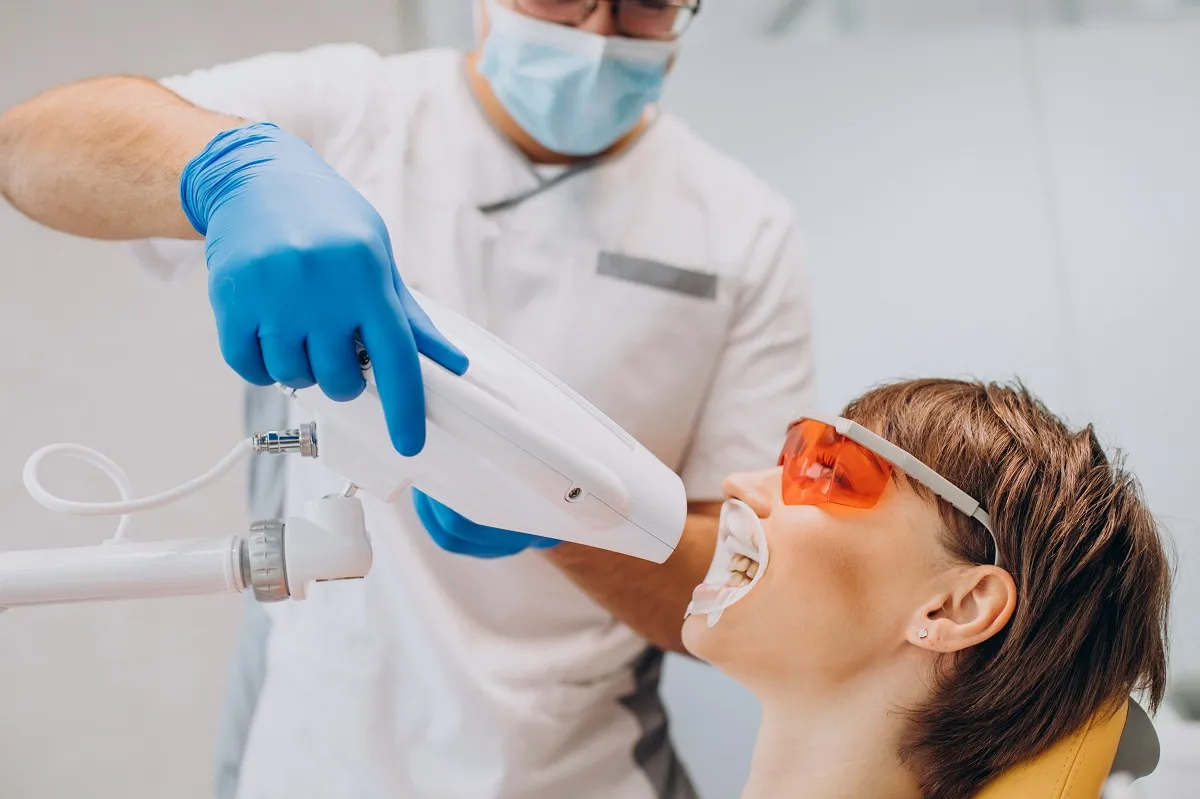
Scaling is the process of removing hardened plaque (tartar) from the surface of your teeth and along the gumline. This is done using specialised dental instruments or ultrasonic devices.
Step 3: Deep Cleaning Between Teeth
The hygienist carefully cleans between your teeth to remove bacteria and debris that brushing and flossing may have missed.
Step 4: Polishing the Teeth
A gritty toothpaste and a rotating brush are used to polish your teeth, removing surface stains and leaving them smooth.
Step 5: Professional Flossing
Even if you floss at home, your hygienist will floss your teeth to ensure a thorough clean and check for sensitive areas.
Step 6: Fluoride Treatment
A fluoride gel, foam, or varnish may be applied to help strengthen enamel and protect against future decay.
Does a Dental Cleaning Hurt?
One of the biggest concerns patients have is whether dental cleanings are painful. The truth is that most cleanings are not painful at all.
What You Might Feel
You may feel light pressure, scraping sensations, or mild vibration from ultrasonic tools. These sensations are normal and usually not uncomfortable.
Sensitivity in Certain Areas
If you have gum inflammation or significant tartar build-up, you may experience mild sensitivity in certain areas.
How Dental Professionals Help
Hygienists are trained to work gently and can adjust their technique or pause if you feel discomfort. In some cases, numbing gel can be used.
How Long Does a Dental Cleaning Take?
The length of a dental cleaning appointment varies depending on your oral health.
Standard Appointment Duration
Most dental cleanings take between 30 and 60 minutes.
First-Time or Overdue Cleanings
If it has been a long time since your last visit, the appointment may take longer due to increased plaque and tartar build-up.
Additional Procedures
If X-rays or extra treatments are required, the appointment may extend beyond one hour.
What Happens After a Dental Cleaning?
After your appointment, your mouth will feel noticeably different.
Immediate Clean Feeling
Your teeth will feel smoother, cleaner, and fresher. Many people also notice improved breath immediately after a cleaning.
Slight Sensitivity
Some patients experience temporary sensitivity to hot or cold foods after a cleaning, especially if tartar was removed from exposed areas.
Aftercare Instructions
If fluoride treatment is applied, you may be asked to avoid eating or drinking for 30 minutes to maximise its benefits.
Common Myths About Dental Cleanings
There are several misconceptions that prevent people from booking regular dental appointments.
“Dental Cleanings Damage Enamel”
This is false. Professional cleanings are designed to protect enamel, not damage it. The tools used are safe and carefully controlled.
“I Don’t Need a Cleaning If My Teeth Look Fine”
Even healthy-looking teeth can have hidden plaque and tartar beneath the gumline that only a professional can remove.
“Cleanings Are Only Cosmetic”
While clean teeth look better, the main purpose of a cleaning is disease prevention, not appearance.
Benefits of Regular Dental Cleanings
Routine dental cleanings provide long-term benefits for both oral and overall health.
Prevention of Cavities and Gum Disease
Removing plaque and tartar reduces the risk of decay and gum infections.
Fresher Breath and Better Hygiene
Bacteria build-up is a major cause of bad breath, and cleanings significantly reduce it.
Long-Term Tooth Preservation
Regular cleanings help you maintain your natural teeth for longer and avoid costly dental procedures.
How Often Should You Get a Dental Cleaning?
The frequency of dental cleanings depends on individual needs.
Standard Recommendation
Most people should get a dental cleaning every six months.
Higher-Risk Patients
People with gum disease, diabetes, or a history of frequent cavities may need cleanings every 3 to 4 months.
Personalised Dental Plans
Your dentist will recommend a schedule based on your oral health condition and risk factors.
How to Maintain Clean Teeth Between Visits
Good daily habits help maintain the results of your dental cleaning.
Brush Twice a Day
Use fluoride toothpaste and brush for at least two minutes each time.
Floss Daily
Flossing removes plaque and food particles from between teeth where brushes cannot reach.
Reduce Sugar Intake
Limiting sugary foods and drinks helps reduce bacteria that cause tooth decay.
Drink Plenty of Water
Water helps wash away food particles and supports saliva production, which naturally protects teeth.
When to Book Your Next Dental Cleaning
Knowing when to return to the dentist is key to maintaining oral health.
Routine Scheduling
Book your next appointment in advance to stay on a consistent cleaning schedule.
Signs You Need an Earlier Visit
Bleeding gums, persistent bad breath, or visible tartar are signs you should book sooner.
Preventive Approach
Waiting until you experience pain often means the problem has already progressed.
Conclusion: The Truth About Dental Cleanings
The truth about dental cleanings is simple—they are safe, effective, and essential for maintaining healthy teeth and gums. Far from being just a cosmetic treatment, they are a cornerstone of preventive dental care that helps stop problems before they start.
By understanding what to expect during a dental cleaning, you can feel more confident about your visit and take better control of your oral health. Regular cleanings not only keep your smile bright but also protect your overall well-being for years to come.