

How Often Should You Get Your Teeth Cleaned?
Knowing how often you should get your teeth cleaned is one of the most important parts of maintaining long-term oral health. While many people assume a dental cleaning is only necessary when something feels wrong, the reality is that regular professional cleanings are essential for preventing cavities, gum disease, and other serious dental issues.
This guide explains how often you should get your teeth cleaned, what factors influence your cleaning schedule, and why consistency matters more than most people realise. Whether you visit the dentist regularly or you’re unsure when your last appointment was, understanding the right cleaning frequency can help you protect your smile for life.
The Standard Recommendation for Teeth Cleaning
Most dental professionals recommend getting your teeth cleaned every six months. This schedule is widely accepted as the standard for maintaining good oral health.
Why Six Months Is the Common Interval
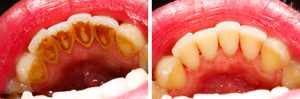
Plaque builds up on teeth every day. If it is not removed properly, it hardens into tartar within a short period of time. Six months is typically enough time for tartar to develop but not long enough for it to cause severe damage if removed regularly.
Preventive Care Approach
Routine cleanings every six months are part of preventive dentistry. The goal is to stop problems before they start rather than treating them after they become serious.
Early Detection of Dental Issues
Regular visits allow dentists to detect early signs of cavities, gum disease, or oral infections before they require more complex and expensive treatment.
When You Might Need More Frequent Dental Cleanings
While six months is standard, it is not suitable for everyone. Some people require more frequent cleanings depending on their oral health and risk factors.
Gum Disease or Periodontal Concerns
If you have gingivitis or periodontal disease, your dentist may recommend cleanings every 3 to 4 months. This helps control bacteria and prevent the condition from worsening.
History of Frequent Cavities
People who are prone to tooth decay may benefit from more regular cleanings to reduce plaque buildup and maintain better oral hygiene.
Smoking or Tobacco Use
Tobacco products increase plaque and tartar accumulation and raise the risk of gum disease, meaning more frequent dental visits are often necessary.
Medical Conditions Like Diabetes
Certain health conditions, such as diabetes, can affect oral health and increase the risk of gum disease, making more frequent cleanings beneficial.
When You Might Need Less Frequent Dental Cleanings
Although uncommon, some individuals with excellent oral health may not require cleanings as often as every six months.
Strong Oral Hygiene Habits
People who consistently brush twice a day, floss daily, and have no history of dental issues may be advised by their dentist to space visits slightly further apart.
Low Risk of Dental Disease
If you have a naturally low risk of cavities or gum disease, your dentist may recommend annual cleanings instead of biannual ones.
Professional Assessment Is Key
Even if you feel your oral health is excellent, only a dentist can determine the appropriate cleaning schedule based on a full examination.
What Happens If You Don’t Get Your Teeth Cleaned Regularly?
Skipping dental cleanings can lead to a range of oral health problems that become more serious over time.
Build-Up of Plaque and Tartar
Without professional removal, plaque hardens into tartar, which cannot be cleaned at home. This buildup increases the risk of decay and gum inflammation.
Increased Risk of Gum Disease
Gum disease often starts silently. Without regular cleanings, gingivitis can progress to periodontitis, which may lead to gum recession and tooth loss.
More Expensive Dental Treatments
Neglecting preventive care often results in more complex procedures such as fillings, root canals, or extractions, which are significantly more costly than routine cleanings.
Signs You May Need a Dental Cleaning Sooner
Even if your next scheduled appointment is months away, certain symptoms may indicate you need a cleaning earlier.
Bleeding Gums
Gums that bleed during brushing or flossing can be an early sign of gingivitis or gum disease.
Persistent Bad Breath
Chronic bad breath is often caused by bacteria buildup that requires professional cleaning to remove.
Visible Tartar Build-Up
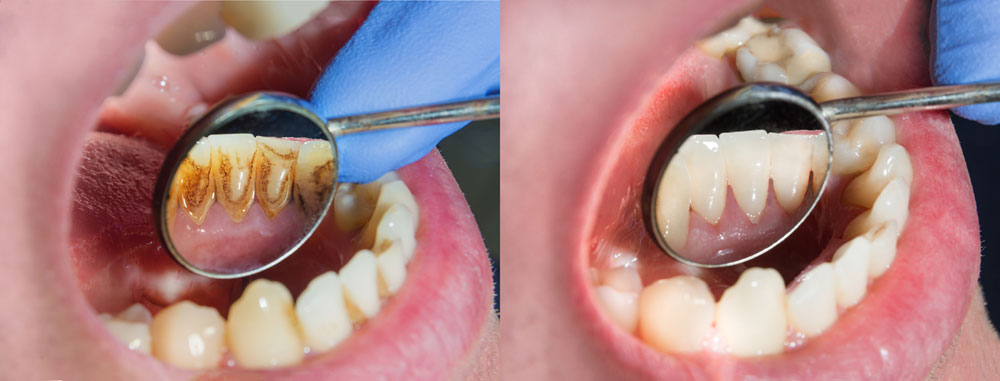
Yellow or brown deposits near the gumline are a clear sign that a dental cleaning is overdue.
Tooth Sensitivity
Increased sensitivity to hot, cold, or sweet foods may indicate gum recession or enamel wear.
How Regular Dental Cleanings Improve Overall Health
Oral health is closely linked to general health, making regular cleanings more important than many people realise.
Connection to Heart Health
Studies suggest that gum disease may be linked to cardiovascular problems due to bacteria entering the bloodstream.
Impact on Diabetes Management
Poor oral health can make blood sugar levels harder to control, while diabetes can increase the risk of gum disease.
Respiratory Health Benefits
Bacteria in the mouth can be inhaled into the lungs, potentially increasing the risk of respiratory infections.
What Happens During a Routine Dental Cleaning
Understanding the process can help you feel more comfortable about scheduling regular visits.
Initial Examination
Your dentist or hygienist will first check your teeth and gums for signs of decay, inflammation, or other issues.
Scaling and Tartar Removal
Special tools are used to remove plaque and hardened tartar from the teeth and gumline.
Polishing the Teeth
Teeth are polished using a special paste to remove surface stains and leave them smooth.
Flossing and Fluoride Treatment
Professional flossing ensures a deep clean, and fluoride may be applied to strengthen enamel and protect against decay.
How to Maintain Oral Health Between Cleanings
Good daily habits can reduce the amount of buildup between dental visits and improve long-term results.
Brush Twice Daily
Brushing with fluoride toothpaste for at least two minutes helps remove plaque and prevent decay.
Floss Every Day
Flossing removes food particles and bacteria from areas your toothbrush cannot reach.
Limit Sugary Foods and Drinks
Sugar feeds bacteria that produce acids responsible for tooth decay.
Drink Plenty of Water
Water helps rinse away food particles and bacteria throughout the day.
Common Misconceptions About Dental Cleaning Frequency
There are several myths that can lead people to delay or avoid dental visits.
“I Only Need a Cleaning If My Teeth Hurt”
Dental problems often develop without pain, meaning issues can progress unnoticed.
“Brushing Is Enough to Keep My Teeth Clean”
Even perfect brushing cannot remove hardened tartar or clean below the gumline.
“Dental Cleanings Are Only Cosmetic”
Cleanings are essential for disease prevention, not just appearance.
Conclusion: Finding the Right Cleaning Schedule for You
So, how often should you get your teeth cleaned? For most people, every six months is ideal. However, your individual needs may require more frequent visits depending on your oral health, lifestyle, and medical conditions.
Regular dental cleanings are one of the simplest and most effective ways to protect your teeth and gums, prevent disease, and avoid costly treatments in the future. By staying consistent with your appointments and following your dentist’s recommendations, you can maintain a healthier, brighter smile for years to come.