


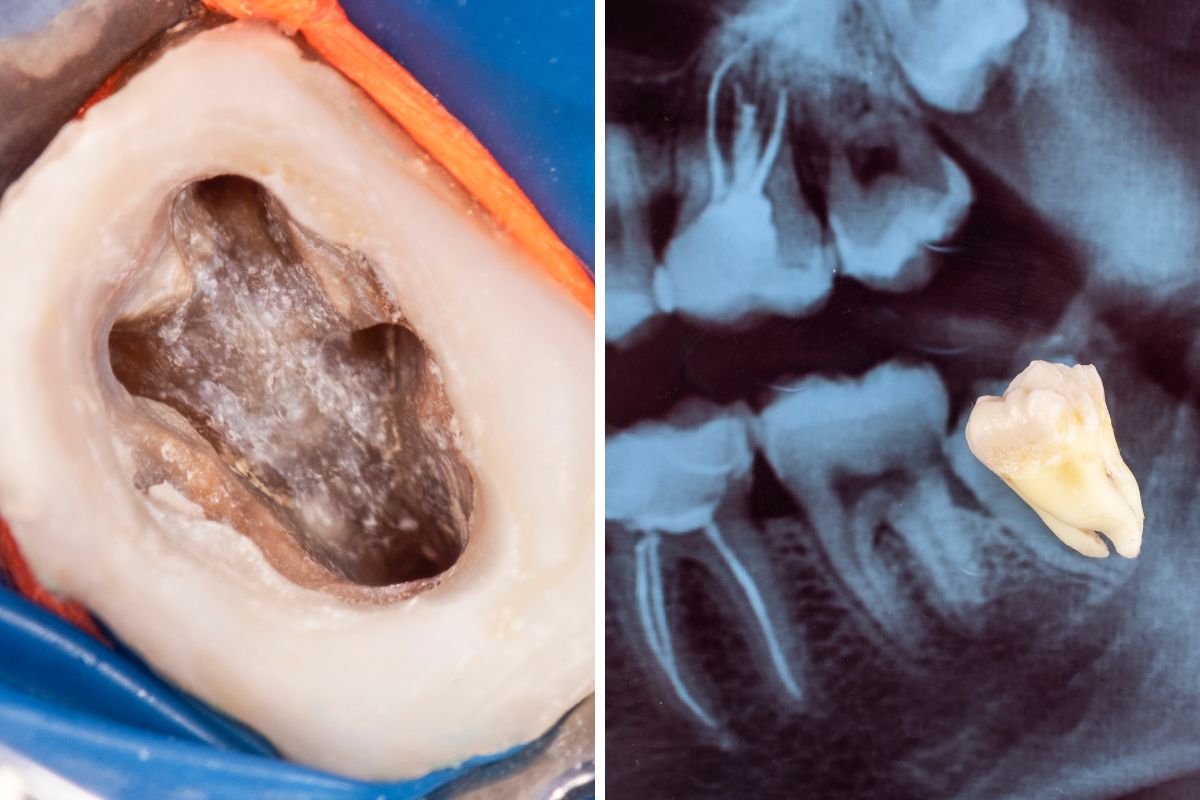
Root Canal vs Tooth Extraction: Which Is Better?
When faced with a severely damaged or infected tooth, patients often face a difficult choice: root canal treatment or tooth extraction. Both procedures address dental problems, but they have very different implications for your oral health, comfort, and long-term dental function. Understanding the differences, benefits, and potential drawbacks of each option is essential for making an informed decision.
In this article, we’ll compare root canal therapy and tooth extraction, explore the advantages and disadvantages of each, and help you determine which treatment may be best for your situation.
Understanding Root Canal Treatment
A root canal is a dental procedure designed to save a tooth that is infected, inflamed, or damaged. It targets the dental pulp—the soft tissue inside the tooth that contains nerves, blood vessels, and connective tissue.
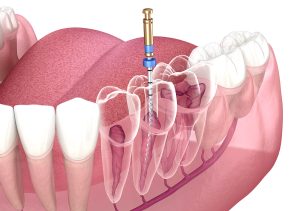
How Root Canal Therapy Works
Diagnosis and X-rays – The dentist or endodontist evaluates the tooth and takes X-rays to determine the extent of the infection or damage.
Local Anesthesia – The tooth and surrounding area are numbed to ensure comfort.
Removing the Pulp – The infected or damaged pulp is carefully removed from the pulp chamber and root canals.
Cleaning and Shaping – The empty canals are cleaned, disinfected, and shaped to receive a filling.
Filling and Sealing – A biocompatible material (usually gutta-percha) is used to fill and seal the canals.
Restoration – A crown or filling is placed over the tooth to restore its strength and function.
Benefits of Root Canal Therapy
Preserves Natural Tooth – Retaining your natural tooth maintains normal chewing function and prevents neighboring teeth from shifting.
Relieves Pain – Root canal therapy eliminates infection and inflammation, providing immediate pain relief.
High Success Rate – Modern root canals have a success rate exceeding 90%, especially when followed by proper restoration and dental care.
Maintains Jawbone Health – Keeping the tooth prevents bone loss that often occurs after extraction.
Drawbacks of Root Canal Therapy
Multiple Visits – Some teeth require more than one appointment to complete treatment.
Cost – Root canal treatment can be more expensive upfront than extraction.
Potential for Retreatment – Occasionally, a treated tooth may develop new infection and require retreatment.
Understanding Tooth Extraction
Tooth extraction involves removing the entire tooth from its socket in the jaw. This procedure is usually considered when the tooth is too damaged to be saved or when infection cannot be resolved with root canal therapy.
How Tooth Extraction Works
Diagnosis and Imaging – The dentist examines the tooth and takes X-rays to assess damage and bone structure.
Local or General Anesthesia – Depending on the complexity, the area is numbed or the patient is sedated.
Tooth Removal – The dentist loosens and removes the tooth carefully. Surgical extraction may be needed for broken or impacted teeth.
Aftercare – Patients are advised on pain management, infection prevention, and proper healing.
Benefits of Tooth Extraction
Immediate Resolution – Extraction removes the source of pain or infection entirely.
Lower Initial Cost – Tooth extraction is typically less expensive than root canal treatment.
Simplicity – In severe cases where the tooth cannot be saved, extraction may be the most straightforward solution.
Drawbacks of Tooth Extraction
Loss of Natural Tooth – Removing a tooth can affect chewing, speaking, and the alignment of surrounding teeth.
Bone Loss – Without a tooth, the jawbone may gradually deteriorate, complicating future dental restoration.
Need for Replacement – Missing teeth often require bridges, dentures, or implants to restore function and appearance, adding additional cost and procedures.
Potential for Shifting Teeth – Adjacent teeth may drift into the empty space, causing bite problems and misalignment.
Root Canal vs Tooth Extraction: Key Comparisons
Choosing between a root canal and tooth extraction requires considering several factors:
Preservation of Natural Teeth
Root Canal: Keeps your natural tooth intact, preserving chewing efficiency and jawbone structure.
Extraction: Removes the tooth permanently, which may affect your bite and require replacement.
Pain and Recovery
Root Canal: Most patients experience minimal discomfort during and after the procedure, often comparable to a dental filling. Recovery is typically quick, and pain decreases once the infection is eliminated.
Extraction: Some post-procedure pain and swelling are common. Recovery may take longer, especially for surgical extractions or molars.
Cost Considerations
Root Canal: Higher upfront cost, but it preserves the natural tooth and may prevent future procedures.
Extraction: Lower initial cost, but tooth replacement options like implants or bridges can increase long-term expenses.
Long-Term Oral Health
Root Canal: Maintains jawbone density and tooth alignment.
Extraction: Can lead to bone loss, shifting teeth, and additional dental procedures.
When Root Canal Is Usually Recommended
Root canal therapy is often the preferred choice when:
The tooth can be structurally restored with a crown or filling.
Infection is limited to the pulp and root canals.
Preserving natural teeth is important for chewing, speaking, or aesthetics.
When Tooth Extraction May Be Necessary
Extraction may be recommended when:
The tooth is fractured beyond repair.
Infection has severely damaged the bone or surrounding tissues.
The tooth has repeated failed root canal treatments.
Severe decay has destroyed most of the tooth structure.
Aftercare and Recovery Considerations
Root Canal Aftercare
Avoid chewing on the treated tooth until fully restored.
Take prescribed or over-the-counter pain relievers as needed.
Maintain good oral hygiene to prevent reinfection.
Attend follow-up appointments to monitor healing.
Tooth Extraction Aftercare
Follow instructions for controlling bleeding and swelling.
Eat soft foods and avoid chewing near the extraction site initially.
Keep the area clean with gentle rinsing.
Consider tooth replacement options to prevent long-term complications.
Making the Best Choice for Your Oral Health
The decision between a root canal and tooth extraction depends on:
The extent of tooth damage or infection
Overall oral health and bone structure
Cost considerations and insurance coverage
Long-term goals for chewing, aesthetics, and oral function
Consulting with a dentist or endodontist is essential to evaluate your specific situation. In many cases, saving the natural tooth with a root canal is preferred, but extraction may be the best solution when the tooth is beyond repair.
Conclusion
Root canal therapy and tooth extraction are two effective ways to address damaged or infected teeth, but they serve different purposes. Root canals preserve the natural tooth, maintain jawbone health, and restore normal function, while extraction may be necessary for severely damaged or unsalvageable teeth.
Understanding the pros and cons of each procedure, along with early diagnosis and treatment, is key to protecting your oral health. Timely consultation with a dental professional ensures you make an informed choice that balances comfort, cost, and long-term dental wellness. 🦷