


Is Root Canal Painful? Myths vs Facts
Root canal treatment is one of the most misunderstood dental procedures. For many people, just hearing the words “root canal” can cause anxiety or fear. Movies, outdated information, and personal stories have created the myth that root canals are extremely painful. In reality, modern endodontic treatments are designed to relieve pain—not cause it.
In this article, we’ll explore the truth behind root canal pain, separate myths from facts, and explain what patients can expect during the procedure. Understanding how root canal therapy works can help you feel more confident about your dental care and make informed decisions about your oral health.
What Is a Root Canal?
Before addressing the myths, it’s important to understand what a root canal actually is. A root canal is a dental procedure used to treat infection or inflammation inside the tooth.
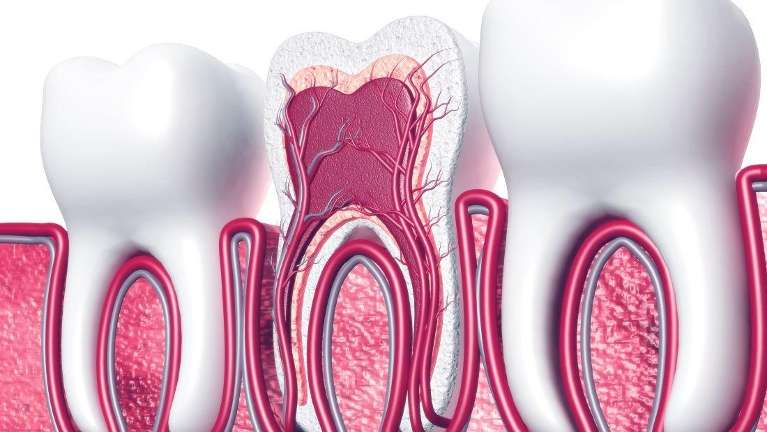
Inside every tooth is a soft tissue called the dental pulp. The pulp contains nerves, blood vessels, and connective tissue that help the tooth grow during development. However, when bacteria enter the pulp due to deep decay, cracks, or injury, the tissue can become infected.
If left untreated, the infection may cause severe pain, swelling, or even tooth loss.

How Root Canal Treatment Works
Root canal therapy removes the infected pulp from the tooth. The dentist or endodontist then cleans and disinfects the inside of the root canals before sealing the tooth to prevent further infection.
The process typically involves:
Administering local anesthesia to numb the area
Creating a small opening in the tooth
Removing the infected pulp
Cleaning and disinfecting the root canals
Filling and sealing the canals
Restoring the tooth with a crown or filling
The goal of the procedure is to eliminate infection and preserve the natural tooth structure.
Why People Think Root Canals Are Painful
The fear surrounding root canals largely comes from outdated experiences. Decades ago, dental technology and anesthesia were not as advanced as they are today.
As a result, some patients experienced discomfort during procedures in the past. Those stories have been passed down over time and contributed to the reputation of root canal therapy being painful.
However, modern dentistry has significantly improved patient comfort. Advanced techniques, improved anesthetics, and specialized equipment make root canal procedures far more comfortable than they once were.
In fact, most patients report that a root canal feels similar to getting a routine dental filling.
Common Root Canal Myths vs Facts
There are many misconceptions about root canal treatment. Let’s take a closer look at some of the most common myths and the facts behind them.
Myth #1: Root Canals Are Extremely Painful
Fact: Root canal treatment is designed to relieve pain, not cause it.
The pain most people associate with root canals usually comes from the infection inside the tooth—not the procedure itself. When the infected pulp is removed, the source of the pain is eliminated.
Local anesthesia ensures that the tooth and surrounding area are fully numb during treatment. Most patients feel little to no discomfort during the procedure.
Myth #2: Tooth Extraction Is Better Than a Root Canal
Fact: Saving your natural tooth is almost always the best option.
While extracting a tooth may seem simpler, it can lead to additional dental problems. Missing teeth can affect your bite, cause surrounding teeth to shift, and increase the risk of bone loss.
Root canal treatment allows you to keep your natural tooth while eliminating infection. Preserving the natural tooth structure helps maintain proper chewing function and overall oral health.
Myth #3: Root Canals Require Multiple Painful Visits
Fact: Many root canals can be completed in one or two appointments.
Thanks to modern dental technology, many root canal procedures can be finished in a single visit. Complex cases may require a second appointment, but each visit is typically comfortable and manageable.
Your dentist will evaluate the condition of the tooth and recommend the most efficient treatment plan.
Myth #4: Root Canal Treatments Don’t Last Long
Fact: Root canals can last a lifetime with proper care.
After a root canal procedure, the tooth is restored with a filling or crown to protect it from damage. With good oral hygiene and regular dental checkups, many treated teeth can last for decades or even a lifetime.
Brushing, flossing, and routine dental visits play an important role in maintaining the long-term success of the treatment.
What to Expect During a Root Canal Procedure
Understanding the treatment process can help reduce anxiety about root canal therapy.
Step 1: Diagnosis and Examination
Your dentist will first examine the affected tooth and take dental X-rays to determine the extent of the infection. This helps them evaluate whether root canal therapy is the appropriate treatment.
Step 2: Local Anesthesia
Before starting the procedure, the dentist administers local anesthesia to numb the tooth and surrounding tissues. This ensures that you remain comfortable throughout the treatment.
Step 3: Cleaning the Infected Pulp
A small opening is created in the tooth to access the infected pulp. The dentist carefully removes the damaged tissue and cleans the root canals using specialized instruments.
Step 4: Sealing the Tooth
Once the canals are cleaned and disinfected, they are filled with a biocompatible material to seal the space and prevent bacteria from re-entering.
Step 5: Final Restoration
In many cases, a dental crown is placed over the treated tooth to restore its strength and function. This helps protect the tooth from fractures and ensures long-term durability.
Is There Pain After a Root Canal?
Some mild discomfort after the procedure is normal, especially once the anesthesia wears off. The surrounding tissues may feel slightly sensitive for a few days.
However, this discomfort is usually manageable with over-the-counter pain medication and typically subsides quickly.
Many patients actually experience significant relief after a root canal because the infection causing the pain has been removed.
If severe pain or swelling occurs after treatment, it’s important to contact your dentist for further evaluation.
Tips for a Smooth Root Canal Recovery
Proper aftercare can help ensure a comfortable recovery and protect your treated tooth.
Follow Your Dentist’s Instructions
Your dentist will provide specific post-treatment instructions. Following these guidelines can help prevent complications and promote healing.
Avoid Chewing on the Treated Tooth
Until the final restoration is placed, it’s best to avoid chewing hard foods on the treated tooth.
Maintain Good Oral Hygiene
Brushing twice daily, flossing regularly, and attending dental checkups will help keep your teeth healthy and prevent future infections.
Attend Follow-Up Appointments
Follow-up visits allow your dentist to monitor the healing process and ensure that the treatment was successful.
The Bottom Line: Root Canals Are Not as Scary as You Think
Despite its reputation, root canal therapy is a safe, effective, and relatively comfortable procedure. Advances in modern dentistry have made the treatment far less intimidating than many people believe.
The purpose of a root canal is to relieve pain, eliminate infection, and preserve your natural tooth. For most patients, the procedure is no more uncomfortable than getting a routine filling.
If you’re experiencing persistent tooth pain or signs of infection, consulting a dental professional can help you determine whether root canal therapy is the right solution.
Addressing dental issues early can prevent more serious complications and help you maintain a healthy, pain-free smile for years to come. 🦷