


Do’s and Don’ts of Denture Care
Proper denture care is essential for maintaining oral health, ensuring comfort, and prolonging the life of your dentures. Whether you are new to wearing dentures or have been using them for years, understanding the right practices can prevent issues such as irritation, bad odor, and damage to the denture itself.
This guide outlines the essential do’s and don’ts of denture care, providing practical tips to help you enjoy a healthy mouth and a confident smile.
Why Proper Denture Care Matters
Dentures replace natural teeth and restore chewing, speaking, and facial appearance. However, like natural teeth, they require proper cleaning and maintenance. Poor denture hygiene can lead to:
Gum irritation and sores
Bad breath
Bacterial or fungal infections
Premature wear and damage
Ill-fitting dentures over time
By following a proper care routine, you can maximize the lifespan of your dentures and protect your oral health.
Do’s of Denture Care
Do Clean Your Dentures Daily
Daily cleaning prevents plaque buildup and bacteria growth. Use a soft-bristle denture brush or sponge and a non-abrasive denture cleaner. Avoid regular toothpaste, as it can scratch the denture surface.
Rinse dentures after each meal to remove loose food particles.
Brush all surfaces gently, including grooves and clasps.
Rinse thoroughly before putting them back in your mouth.
Do Soak Dentures Overnight
Most dentures need to stay moist to maintain their shape. Soak them in water or a specialized denture cleaning solution overnight.
Benefits of soaking:
Prevents warping or cracking
Helps remove bacteria
Keeps dentures fresh and odor-free
Do Handle Dentures Carefully
Dentures are durable but can break if dropped. Always handle them over a folded towel or a basin of water.
Other tips:
Avoid bending the clasps
Hold dentures with both hands during cleaning or insertion
Do Maintain Oral Hygiene
Even if you wear full dentures, your gums, tongue, and palate should be cleaned daily to prevent bacterial buildup.
Tips for maintaining oral hygiene:
Use a soft toothbrush or a damp cloth to massage gums
Rinse your mouth with water or an alcohol-free mouthwash
Visit your dentist regularly for checkups
Do Schedule Regular Dental Checkups
Dentures need professional evaluation to ensure a proper fit. Regular checkups help:
Detect and treat sores or irritation
Adjust dentures for comfort
Replace worn-out dentures before problems arise
Monitor oral health and jawbone changes
Don’ts of Denture Care
Don’t Use Harsh Cleaning Products
Avoid bleach, household cleaners, or abrasive toothpaste on dentures. These can:
Damage the surface
Alter the color of the dentures
Weaken the material, leading to cracks or breaks
Use only denture-specific cleaning products recommended by your dentist.
Don’t Sleep with Dentures In
Wearing dentures while sleeping can:
Cause gum irritation and sores
Increase the risk of infections such as denture stomatitis
Reduce circulation in your gums
Remove dentures before bedtime and soak them overnight for best results.
Don’t Ignore Discomfort or Pain
New dentures may require an adjustment period, but persistent discomfort or sore spots should not be ignored.
Ignoring issues can:
Lead to infections
Cause ulcers or gum inflammation
Damage remaining natural teeth (for partial dentures)
Visit your dentist promptly if you experience ongoing pain.
Don’t Try to Adjust Dentures Yourself
Attempting to file, bend, or adjust dentures at home can damage them and worsen the fit.
Only a professional dentist should make:
Adjustments
Relines
Repairs
DIY fixes often lead to broken dentures and additional costs.
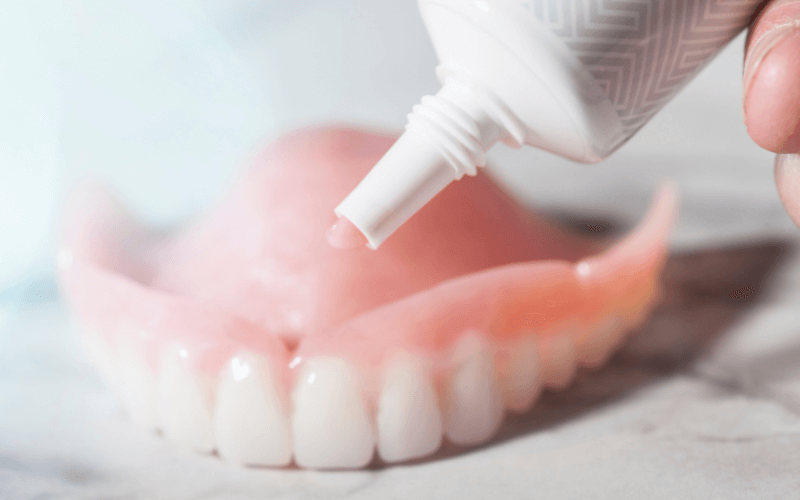
Don’t Neglect Denture Adhesives
While adhesives can improve fit, over-reliance or improper use can cause problems.
Tips for safe adhesive use:
Use only as directed by your dentist
Clean off old adhesive daily
Avoid excessive amounts, as this can irritate gums
Additional Tips for Long-Lasting Dentures
Eat Carefully
Start with soft foods and small bites when adjusting to new dentures
Chew slowly using both sides of the mouth to prevent tipping
Avoid sticky or hard foods that may damage the dentures
Stay Hydrated
Proper hydration helps maintain saliva flow, which supports denture comfort and oral health
Dry mouth can increase irritation and make dentures feel loose
Store Dentures Safely
Keep dentures in water or a denture-soaking solution when not in use
Avoid leaving dentures exposed to air, which can dry out and warp them
Be Mindful of Temperature
Avoid exposing dentures to extreme heat, such as hot water, which can warp the material
When to Replace Your Dentures
Even with excellent care, dentures don’t last forever. Signs that replacement is needed include:
Persistent discomfort despite adjustments
Cracks, chips, or worn teeth
Dentures no longer fit securely
Visible stains or discoloration
Difficulty chewing or speaking
Most dentures last 5–10 years, depending on usage and care. Regular dental visits will help determine the right time for replacement.
Conclusion
Proper denture care is essential for comfort, oral health, and longevity. By following the do’s—such as daily cleaning, soaking overnight, handling carefully, maintaining oral hygiene, and visiting your dentist regularly—you can keep your dentures in excellent condition.
Equally important is avoiding the don’ts, including harsh cleaners, sleeping with dentures in, ignoring pain, attempting DIY adjustments, and overusing adhesives.
With careful care, modern dentures can provide a functional, natural-looking smile for many years, allowing you to eat, speak, and live with confidence. Prioritizing proper denture care ensures that your investment in oral health continues to pay off, while keeping your smile healthy and bright.