

How Dentures Have Evolved Over the Years
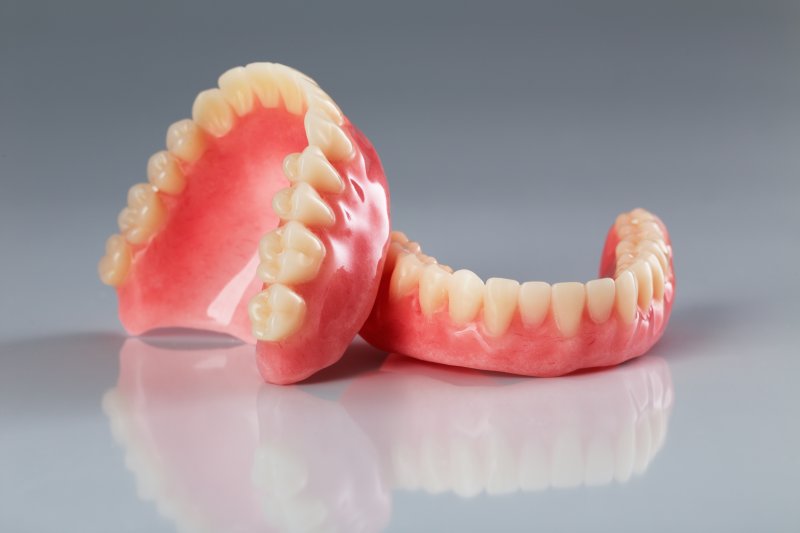
Dentures have a long history that dates back thousands of years. From crude replacements made of animal teeth to today’s high-tech, natural-looking solutions, dentures have evolved dramatically in terms of materials, design, and functionality. Understanding this evolution highlights how far dental technology has come and why modern dentures offer comfort, aesthetics, and improved oral health.
This article explores the history of dentures, major technological advancements, and the modern innovations that make today’s dentures more effective than ever.
The Early History of Dentures
The concept of replacing missing teeth dates back centuries, long before modern dentistry existed. Ancient civilizations recognized the importance of restoring teeth for chewing, speaking, and appearance.
Ancient Dentures
Egypt (around 3000 BCE): Archaeologists discovered early dentures made from human or animal teeth held together with gold wire. These dentures were functional but often uncomfortable.
Japan (7th Century): The Japanese created “solid dentures” from wood, which were painted to resemble natural teeth.
Etruscans (700 BCE – 400 BCE): Etruscans in Italy crafted dentures from human or animal teeth mounted on gold bands, demonstrating early craftsmanship in dental appliances.
Limitations of Early Dentures
Painful fit due to crude materials
Limited chewing ability
High risk of infection
Poor aesthetic appearance
Despite these challenges, early dentures marked an important step toward modern tooth replacement solutions.
Dentures in the 18th and 19th Centuries
The 1700s and 1800s saw significant improvements in denture design and materials, largely driven by advances in dentistry and manufacturing techniques.
Materials and Designs
Ivory Dentures: Many dentures were crafted from elephant or walrus ivory. While durable, these dentures were prone to cracking and yellowing over time.
Porcelain Teeth: Porcelain teeth were introduced in the late 1700s. They offered a more natural look and could be attached to metal or ivory bases.
Metal Frameworks: Gold and other metals were used to create partial dentures that fit more securely in the mouth.
Challenges Still Faced
Dentures often required adhesives for stability
Gums could become sore from ill-fitting appliances
High costs made dentures accessible mostly to wealthy individuals
These centuries laid the foundation for modern denture technology by improving both aesthetics and function.
20th Century Advances in Dentures
The 20th century marked a turning point in denture development. Scientific research, industrial innovation, and improved dental materials revolutionized how dentures were made and worn.
Acrylic Resin Bases
Introduced in the 1930s and 1940s
Replaced ivory and metal bases with lightweight, durable acrylic
Allowed for better fit and comfort
Could be colored to match natural gum tissue
Plastic and Porcelain Teeth
Porcelain teeth were used early in the century but could wear down opposing natural teeth
Acrylic teeth became popular due to their durability and better bonding to denture bases
Standardization and Mass Production
Industrial techniques allowed dentures to be produced more efficiently
Dentists could now offer dentures to a wider population, making them more accessible
Introduction of Partial Dentures
Partial dentures became more advanced with flexible metal frameworks and improved clasps, allowing patients to replace some missing teeth without removing all natural teeth.
Modern Dentures: Innovations and Technology
Modern dentures combine advanced materials, precision technology, and dental science to provide comfort, aesthetics, and function unmatched by older designs.
Digital Dentures
3D scanning and CAD/CAM technology allow precise digital impressions
Dentures are designed on computers for better fit, alignment, and bite
Reduces the need for multiple adjustments
Flexible Dentures
Made from soft, flexible materials
Adapt to the shape of the gums
More comfortable and less likely to cause sore spots than rigid acrylic dentures
Implant-Supported Dentures
Anchored to dental implants placed in the jawbone
Provide superior stability and chewing function
Help prevent jawbone deterioration
Closest alternative to natural teeth in both function and comfort
Improved Aesthetics
Modern dentures are designed to mimic the translucency, color, and texture of natural teeth
Gum tissue is replicated realistically, enhancing the appearance of the smile
Advanced denture materials resist staining and wear
Comparing Traditional and Modern Dentures
Feature Traditional Dentures Modern Dentures
Base Material Acrylic or ivory High-quality acrylic or flexible resin
Teeth Material Porcelain or early acrylic Porcelain or durable acrylic
Fit Often requires adhesives Precision fit using digital scans
Comfort May cause sore spots Flexible and tailored for comfort
Function Basic chewing Restores near-natural bite strength
Stability Prone to slipping Implant-supported or digitally fitted
Appearance Less natural Highly realistic, natural-looking
Modern dentures improve nearly every aspect of traditional dentures, including comfort, stability, and aesthetics.
How Denture Evolution Benefits Patients Today
Thanks to technological advancements, modern dentures offer several key advantages over older designs:
Comfort and Fit
Digital impressions and flexible materials reduce irritation and provide a more comfortable experience.
Enhanced Functionality
Implant-supported dentures and precision-designed appliances allow patients to chew a wider variety of foods and speak clearly.
Natural Appearance
Modern materials replicate the color, texture, and translucency of natural teeth and gums, improving confidence and self-esteem.
Long-Term Oral Health
Implant-supported dentures help prevent jawbone loss, maintaining facial structure and oral health over time.
Future of Dentures
The future of dentures is likely to be shaped by technology, materials, and customization. Innovations may include:
Fully digital dentures designed with AI for perfect fit
3D-printed dentures with advanced biocompatible materials
Dentures integrated with sensors to monitor oral health
Hybrid dentures combining implants, flexible bases, and enhanced aesthetics
These advancements will continue improving comfort, function, and accessibility for patients worldwide.
Conclusion
Dentures have come a long way from ancient wooden teeth and ivory replacements. Over centuries, improvements in materials, design, and technology have transformed dentures into highly functional and natural-looking dental solutions. Modern dentures provide better fit, comfort, stability, and aesthetics than ever before, while offering long-term oral health benefits.
If you are considering dentures, it is important to consult with a qualified dentist who can guide you toward the best modern solutions. Understanding the evolution of dentures helps patients appreciate the innovations that make today’s dentures comfortable, effective, and visually natural, ensuring a confident smile for years to come.